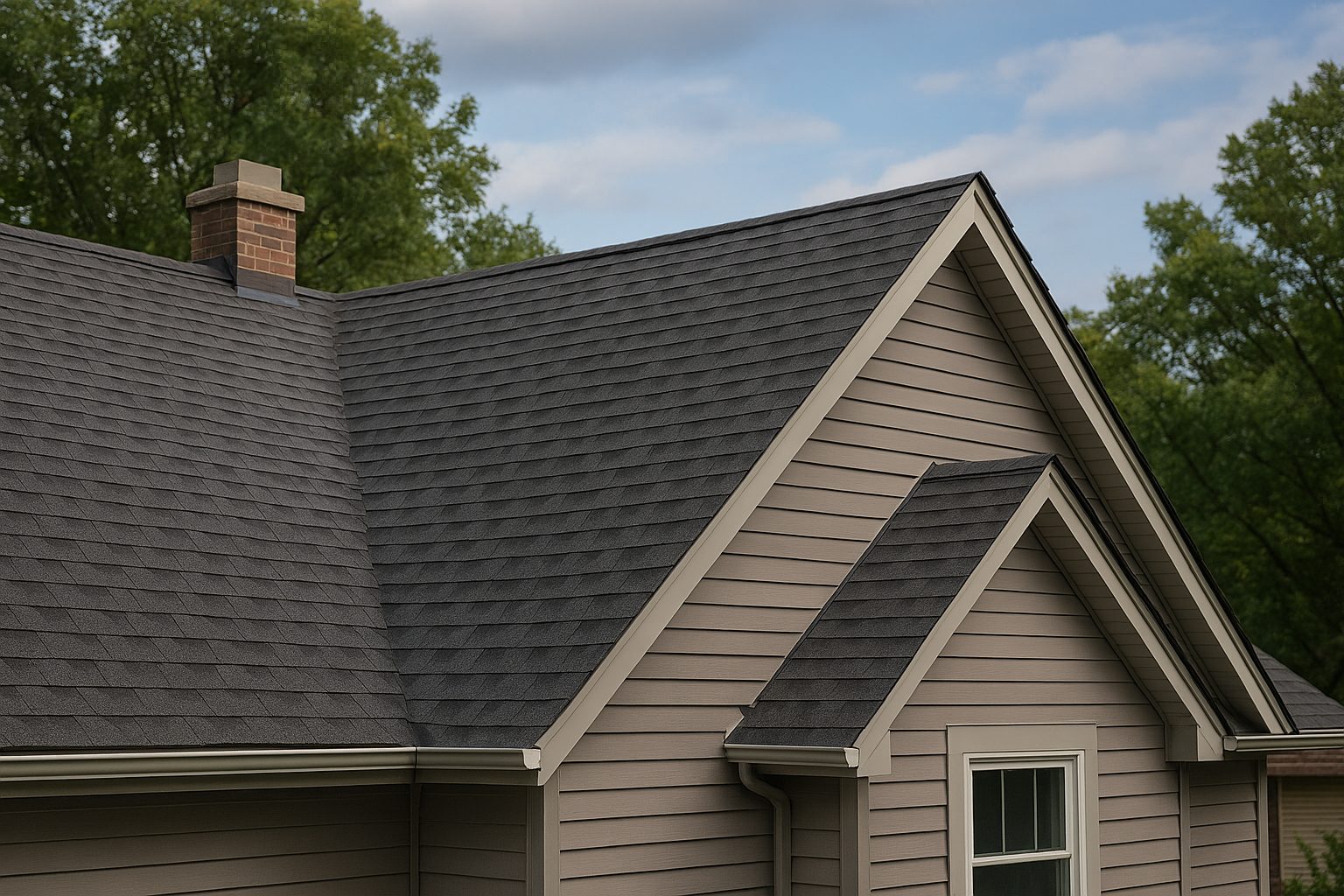

Preventing Ice Dams on Wisconsin Roofs

Preventing Ice Dams on Wisconsin Roofs
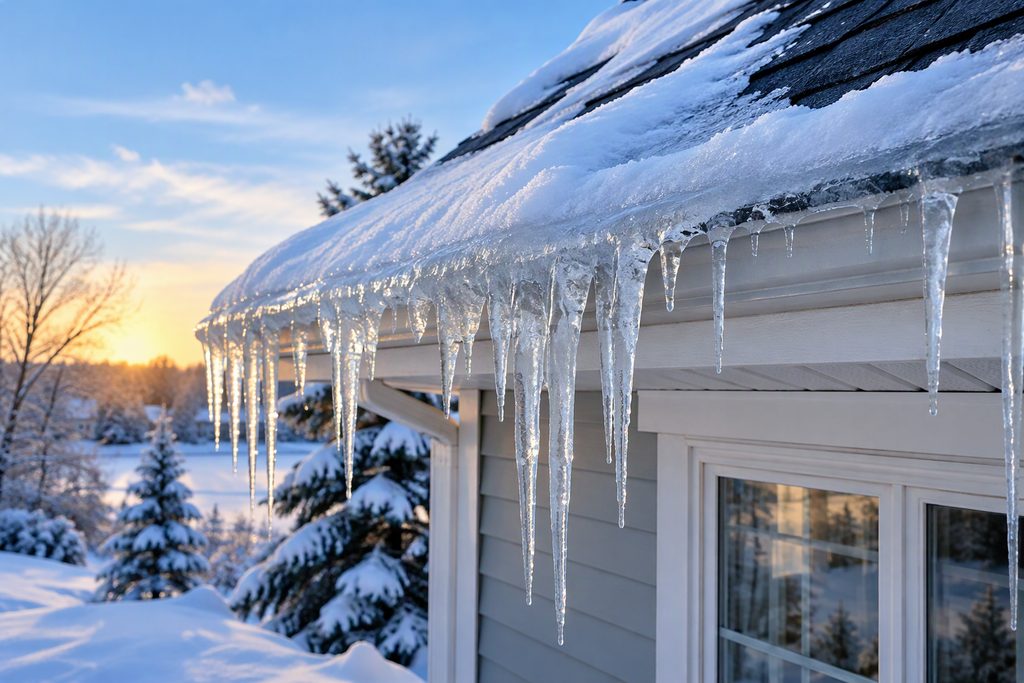
Wisconsin winters are known for heavy snowfall, freezing temperatures, and repeated freeze-thaw cycles. While snow-covered rooftops may look picturesque, they can hide a costly problem that many homeowners face each year: ice dams. These thick ridges of ice that form along roof edges can lead to water intrusion, damaged shingles, ruined insulation, stained ceilings, mold growth, and expensive repairs.
For homeowners across Wisconsin, understanding how ice dams form and how to prevent them is one of the most important aspects of protecting a home’s roof and structural integrity. Whether you own a newer home or an older property, proactive ice dam prevention can save thousands of dollars in potential damage while extending the lifespan of your roofing system.
At 123 Exteriors, we help Wisconsin homeowners identify roofing vulnerabilities before winter arrives. Through professional roof inspections, maintenance services, and roofing solutions designed for harsh Midwest weather, our team helps keep homes protected all season long.
What Is an Ice Dam?
An ice dam is a ridge of ice that forms at the edge of a roof and prevents melting snow from properly draining into gutters and downspouts.
When warm air inside your home causes snow on the roof to melt, the water flows toward the colder roof edge. Once it reaches the colder area near the eaves, it refreezes and gradually builds a barrier of ice.
Over time, additional melting snow becomes trapped behind this ice barrier. Instead of draining off the roof, the water can back up underneath shingles and penetrate the roofing system.
The result can include:
- Interior leaks
- Damaged insulation
- Mold and mildew growth
- Ceiling stains
- Rotting roof decking
- Damaged drywall
- Exterior siding damage
- Gutters pulled away from the home
Ice dams can affect any home, but they are particularly common in Wisconsin because of the state’s long winters and significant snowfall.
Why Ice Dams Are So Common in Wisconsin
Several climate conditions make Wisconsin especially vulnerable to ice dam formation.
Heavy Snow Accumulation
Areas throughout Wisconsin regularly receive substantial snowfall during winter months. Snow remaining on rooftops for extended periods provides the fuel needed for ice dam development.
Frequent Freeze-Thaw Cycles
Many Wisconsin winters experience daily temperature fluctuations. Snow melts during warmer daytime temperatures and refreezes overnight, accelerating ice buildup.
Extended Cold Periods
Once an ice dam forms, prolonged sub-freezing temperatures allow it to grow larger and become more difficult to remove safely.
Older Housing Stock
Many Wisconsin homes were built before modern insulation and ventilation standards became common. Inadequate attic insulation often contributes significantly to ice dam problems.
How Ice Dams Form
Understanding the formation process helps homeowners address the root causes instead of simply dealing with symptoms.
Step 1: Heat Escapes Into the Attic
Warm air naturally rises inside your home. If insulation is insufficient or air sealing is inadequate, heat escapes into the attic space.
Step 2: Roof Surface Warms
The escaping heat warms sections of the roof deck above the attic. Snow sitting on these warmer areas begins to melt.
Step 3: Water Flows Downward
Gravity causes melted snow to travel down the roof slope toward the eaves.
Step 4: Water Refreezes
Roof edges, overhangs, and gutters remain colder because they extend beyond the home’s heated envelope. Water refreezes when it reaches these colder sections.
Step 5: Ice Dam Grows
The frozen water gradually forms a ridge of ice. As more snow melts, the ice barrier expands.
Step 6: Water Backs Up
Eventually, trapped water pools behind the dam and begins working beneath roofing materials, creating leaks and hidden damage.
Warning Signs of Ice Dams
Recognizing ice dam indicators early can help minimize damage.
Look for:
- Large icicles hanging from gutters
- Thick ice accumulation along roof edges
- Ice behind gutters
- Interior ceiling stains
- Water dripping inside during winter
- Peeling paint near exterior walls
- Drafty rooms below attic spaces
- Mold or mildew odors in upper levels
- Wet attic insulation
If you notice any of these warning signs, scheduling a professional roof inspection can help identify underlying causes.
The Damage Ice Dams Can Cause
Many homeowners assume ice dams are merely cosmetic issues. Unfortunately, they often cause much more significant damage.
Roof Damage
Water trapped behind ice dams can infiltrate beneath shingles and damage roofing underlayment, decking, and structural components.
Insulation Problems
Wet insulation loses much of its effectiveness. As insulation becomes saturated, heating costs often increase significantly.
Mold Growth
Moisture trapped inside attics and wall cavities creates ideal conditions for mold growth.
Interior Water Damage
Leaking water may damage:
- Drywall
- Paint
- Flooring
- Trim
- Light fixtures
- Personal belongings
Gutter Damage
Heavy ice buildup can pull gutters away from the fascia, requiring repairs or replacement.
Structural Deterioration
Over time, repeated exposure to moisture can weaken wood framing and roof supports.
The Most Effective Ways to Prevent Ice Dams
The best strategy is prevention. Instead of repeatedly removing ice dams each winter, homeowners should focus on eliminating the conditions that cause them.
Improve Attic Insulation
Proper attic insulation is one of the most effective defenses against ice dams.
Insulation helps prevent heat from escaping into attic spaces and warming the roof surface.
Common insulation options include:
Fiberglass Batts
Affordable and widely used, fiberglass batts can provide effective thermal protection when properly installed.
Blown-In Cellulose
Cellulose insulation fills gaps effectively and often improves overall attic performance.
Blown-In Fiberglass
This insulation option provides excellent coverage and energy efficiency.
Spray Foam
Spray foam both insulates and air-seals, making it highly effective for reducing heat transfer.
Many Wisconsin homes benefit from attic insulation upgrades that improve comfort while reducing heating costs.
Seal Air Leaks
Insulation alone is not enough if warm air continues escaping into the attic.
Common air leakage points include:
- Recessed lighting
- Plumbing penetrations
- Chimney chases
- Bathroom exhaust fans
- Electrical wiring penetrations
- Attic access hatches
Professional air sealing can dramatically reduce heat loss and help prevent uneven roof temperatures.
Ensure Proper Attic Ventilation
Ventilation plays a critical role in maintaining a consistent roof temperature.
A properly ventilated attic helps remove excess heat and moisture while supporting airflow from soffit vents to ridge vents.
Benefits include:
- Reduced roof warming
- Lower condensation risk
- Extended shingle life
- Improved energy efficiency
- Better winter roof performance
Many ice dam issues stem from inadequate attic ventilation systems.
Install Ice and Water Shield Protection
Ice and water shield is a waterproof membrane installed beneath roofing materials.
Modern Wisconsin roofing systems often include ice and water shield protection along:
- Roof edges
- Valleys
- Penetrations
- Vulnerable roof sections
While it does not prevent ice dams from forming, it provides an additional layer of defense against water intrusion.
Keep Gutters Clean
Clogged gutters increase the likelihood of drainage issues during winter.
Before snowfall begins:
- Remove leaves and debris
- Inspect downspouts
- Verify proper water flow
- Repair sagging sections
Clean gutters help facilitate drainage when temperatures fluctuate.
Remove Excess Snow
Careful snow removal can reduce ice dam risk during periods of heavy snowfall.
Using a roof rake from ground level allows homeowners to remove snow from lower roof sections before melting and refreezing occur.
Safety is critical.
Avoid:
- Climbing onto snowy roofs
- Using sharp tools
- Breaking ice with hammers
- Applying excessive force
Professional roof snow removal services are often the safest option during severe winter conditions.
Roof Designs More Resistant to Ice Dams
Certain roofing designs naturally reduce ice dam risks.
Adequate Roof Pitch
Steeper roofs generally shed snow more effectively than low-slope roofing systems.
Proper Ventilation Design
Balanced intake and exhaust ventilation improves temperature consistency across the roof.
Continuous Air Barriers
Modern building techniques reduce heat loss and improve energy performance.
Enhanced Underlayment Systems
Modern roofing materials provide additional water protection when winter conditions become severe.
Common Ice Dam Prevention Mistakes
Many homeowners unintentionally make ice dam problems worse.
Relying Solely on Heating Cables
While heat cables may help in specific situations, they do not address the root causes of ice dams.
Ignoring Attic Insulation
Removing ice repeatedly each winter without improving insulation simply treats symptoms.
Delaying Roof Repairs
Missing shingles, damaged flashing, and aging roofing materials create vulnerabilities that allow water intrusion.
DIY Ice Removal Methods
Improper ice removal can damage shingles, gutters, and roofing components.
Waiting Until Leaks Appear
By the time interior leaks become visible, moisture damage may already be extensive.
How Professional Roof Inspections Help
A professional roof inspection can identify vulnerabilities before winter weather arrives.
During an inspection, roofing professionals evaluate:
- Shingle condition
- Flashing performance
- Ventilation systems
- Attic insulation
- Air leakage pathways
- Gutter conditions
- Structural concerns
- Ice dam risk factors
Addressing these issues proactively is often far less expensive than repairing water damage later.
When Should Wisconsin Homeowners Schedule Roof Inspections?
The ideal time for a roof inspection is during late summer or fall before the first major snowfall.
However, inspections remain valuable year-round if homeowners notice:
- Large icicles
- Recurring ice dams
- Winter leaks
- Rising utility bills
- Attic moisture issues
- Uneven roof snow melt patterns
Early detection frequently prevents major repair costs.
Long-Term Benefits of Ice Dam Prevention
Investing in ice dam prevention offers benefits far beyond winter protection.
Homeowners often experience:
- Lower heating costs
- Increased roof lifespan
- Reduced maintenance expenses
- Better indoor comfort
- Lower moisture risk
- Enhanced home value
- Improved energy efficiency
- Fewer emergency repairs
These improvements often generate savings year after year.
Why Wisconsin Homeowners Trust 123 Exteriors
Wisconsin weather places tremendous stress on roofing systems. From heavy snowfall and ice accumulation to freezing temperatures and strong winter storms, local roofs require specialized expertise.
At 123 Exteriors, we understand the unique roofing challenges Wisconsin homeowners face. Our team provides comprehensive roof inspections, repairs, replacements, ventilation assessments, and preventative roofing solutions designed specifically for Midwest climates.
Whether you’re experiencing recurring ice dams, planning preventative maintenance, or considering a roof replacement, our experienced professionals can help identify the most effective solution for your home.
Protect Your Home Before Winter Arrives
Ice dams may seem like a seasonal inconvenience, but they can cause serious damage when left unchecked. The good news is that most ice dam issues are preventable through proper insulation, ventilation, maintenance, and professional roofing care.
If you’re concerned about ice dams, attic heat loss, or winter roof performance, now is the perfect time to take action before severe weather arrives.
Schedule a professional roof inspection with 123 Exteriors today. Our team can evaluate your roof, identify potential ice dam risks, and recommend effective solutions that protect your home throughout Wisconsin’s harsh winter season.
Ready to get started? Contact 123 Exteriors today to book your roof inspection and use our convenient online quote tool for a fast, no-obligation roofing estimate. Protect your home, improve energy efficiency, and gain peace of mind before the next snowfall arrives.
Popular Posts
Choosing Wind Resistant Roofing Iowa for Homes

Nico Vitasa