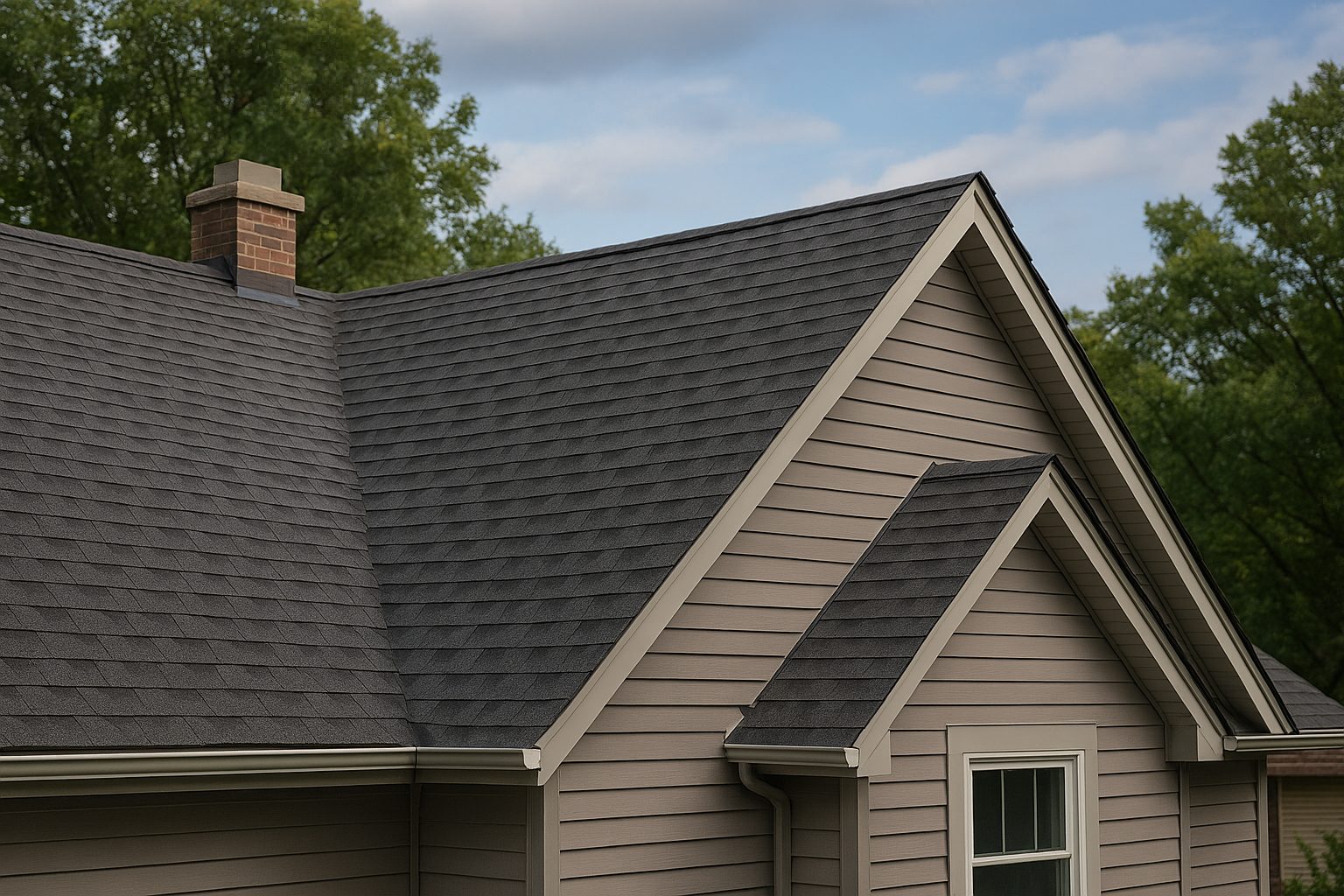

Storm Damage Roofing Repairs After Wisconsin Severe Weather

Storm Damage Roofing Repairs After Wisconsin Severe Weather
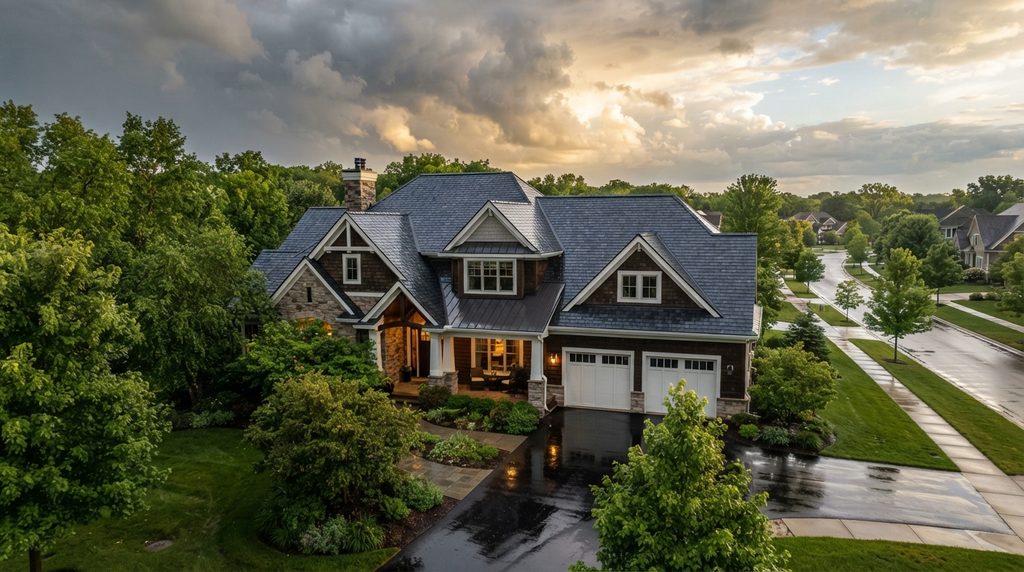
Wisconsin weather can change in an instant. From powerful thunderstorms and hailstorms to damaging straight-line winds, tornadoes, and heavy rain events, homeowners across the state often face unexpected roof damage that threatens their property, safety, and financial well-being. When severe weather strikes, acting quickly can mean the difference between a minor repair and a costly roof replacement.
At 123 Exteriors, we help Wisconsin homeowners identify, repair, and prevent storm-related roofing issues with professional inspections, expert repairs, and honest guidance throughout the insurance claims process. If your home has recently experienced severe weather, this guide explains everything you need to know about storm damage roofing repairs, warning signs to watch for, and the steps you should take to protect your investment.
Understanding How Wisconsin Weather Damages Roofs
Wisconsin experiences some of the most challenging weather conditions in the Midwest. Throughout the year, roofs must withstand:
- Hailstorms
- High winds
- Tornado activity
- Heavy rain
- Ice dams
- Snow accumulation
- Freeze-thaw cycles
- Falling tree limbs and debris
Each weather event affects roofing systems differently. While some damage is obvious, many issues remain hidden until leaks, mold, or structural concerns develop.
The key to minimizing repair costs is identifying damage early through professional roof inspections following severe weather events.
Why Immediate Storm Damage Assessment Matters
Many homeowners make the mistake of waiting until they notice a leak before contacting a roofing contractor. Unfortunately, by that point, moisture may have already penetrated multiple layers of the roofing system.
Even seemingly minor damage can lead to:
- Interior water damage
- Mold growth
- Wood rot
- Damaged insulation
- Increased energy bills
- Compromised structural integrity
- Reduced home value
Prompt inspection allows roofing professionals to identify and correct issues before they become major restoration projects.
Common Types of Storm Damage on Wisconsin Roofs
Hail Damage
Hail is one of the most destructive weather events for roofing systems.
Depending on hail size, wind speed, and roofing material, hail can cause:
- Shingle granule loss
- Cracks in asphalt shingles
- Exposed fiberglass mats
- Bruising beneath shingle surfaces
- Damaged flashing
- Dented vents and gutters
- Broken skylights
In Wisconsin, storms producing hail larger than one inch can cause significant roofing damage, even if homeowners cannot immediately see the effects from the ground.
Wind Damage
Strong winds often create damage that develops into larger roofing failures over time.
Signs of wind damage include:
- Missing shingles
- Lifted shingle edges
- Torn roofing materials
- Damaged flashing
- Detached ridge caps
- Exposed underlayment
Wind can also loosen roofing materials without completely removing them, creating hidden vulnerabilities that allow future water intrusion.
Heavy Rain Damage
While roofing systems are designed to shed water, severe storms can expose weaknesses.
Heavy rain may reveal:
- Existing roof leaks
- Flashing failures
- Gutter overflow issues
- Vent penetration problems
- Roof deck damage
Water can travel surprisingly far within a roofing assembly before becoming visible indoors.
Falling Tree Damage
Wisconsin’s strong winds frequently cause branches or entire trees to fall onto roofs.
Impact damage may include:
- Punctures
- Decking fractures
- Structural damage
- Crushed roofing materials
- Damaged gutters and siding
Even smaller branches can compromise shingles and create entry points for moisture.
Ice and Snow Storm Damage
Winter weather remains one of the leading causes of roof deterioration in Wisconsin.
Common issues include:
- Ice dams
- Water backup
- Frozen gutters
- Shingle damage
- Roof edge deterioration
- Ventilation problems
Proper roofing design and attic ventilation are essential for preventing winter-related damage.
Warning Signs Your Roof May Have Storm Damage
After a severe weather event, look for these indicators:
Exterior Signs
- Missing shingles
- Curled shingles
- Cracked shingles
- Shingle debris in yard
- Dented gutters
- Bent flashing
- Damaged roof vents
- Fallen tree branches
- Granules collecting in gutters
Interior Signs
- Ceiling stains
- Water spots
- Dripping water
- Mold growth
- Musty odors
- Bubbling paint
- Wet insulation
- Increased humidity
If you notice any of these signs, schedule a professional inspection immediately.
What To Do Immediately After a Wisconsin Storm
1. Prioritize Safety
Never climb onto a storm-damaged roof yourself.
Storm damage may create:
- Weak roof decking
- Loose materials
- Hidden punctures
- Slippery surfaces
- Electrical hazards
Professional roofers use specialized safety equipment and training to assess damage safely.
2. Document Visible Damage
Take photographs of:
- Missing shingles
- Fallen branches
- Damaged gutters
- Exterior impacts
- Interior water stains
Documentation can help support insurance claims.
3. Prevent Further Damage
Temporary mitigation measures may include:
- Emergency tarping
- Debris removal
- Leak containment
Prompt action can reduce additional property damage.
4. Schedule a Professional Inspection
A qualified roofing contractor can identify damage that may not be visible from the ground.
Detailed inspection reports often provide critical documentation for insurance providers.
The Importance of Professional Roof Inspections
Many forms of storm damage are difficult for homeowners to identify accurately.
Professional inspections typically include evaluation of:
- Shingles
- Flashing
- Underlayment
- Roof decking
- Ridge caps
- Ventilation systems
- Gutters
- Skylights
- Chimney connections
At 123 Exteriors, our inspection process helps homeowners fully understand the condition of their roofing system and prioritize necessary repairs.
How Storm Damage Repairs Protect Your Home
Timely repairs provide several important benefits.
Prevent Water Intrusion
Repairing storm damage before moisture enters the home protects:
- Drywall
- Insulation
- Framing
- Flooring
- Personal belongings
Extend Roof Lifespan
Minor repairs can significantly extend the functional life of your roof.
Addressing localized damage early often prevents the need for premature replacement.
Preserve Energy Efficiency
Damaged roofing systems can compromise attic ventilation and insulation performance.
Repairs help maintain indoor comfort while reducing heating and cooling costs.
Protect Property Value
Potential homebuyers often view unresolved roof issues as a major concern.
Maintaining a weather-resistant roofing system helps preserve property value and curb appeal.
Understanding Wisconsin Roof Insurance Claims
Many storm-related roofing repairs may qualify for homeowner’s insurance coverage.
Coverage varies depending on:
- Policy terms
- Deductibles
- Roof age
- Damage type
- Storm severity
Commonly covered events include:
- Hail damage
- Wind damage
- Tornado damage
- Falling tree impacts
Insurance companies generally require prompt reporting and supporting documentation.
Tips for a Smooth Claims Process
- Report damage quickly
- Keep storm-related photos
- Save repair estimates
- Schedule professional inspections
- Maintain communication records
- Review policy details carefully
Working with an experienced roofing contractor can streamline the claims process and ensure damage is properly documented.
Repair Versus Roof Replacement
One of the most common homeowner questions is whether storm damage requires repair or complete replacement.
The answer depends on several factors.
Repairs May Be Appropriate When:
- Damage is localized
- Roofing materials remain structurally sound
- Most shingles remain intact
- Roof age is relatively young
Replacement May Be Recommended When:
- Damage is widespread
- Multiple roof sections are affected
- Leaks have compromised decking
- Roofing materials have reached advanced age
- Insurance coverage supports replacement
A professional assessment provides the most accurate recommendation based on the unique condition of the roof.
Why Asphalt Shingles Are Particularly Vulnerable to Storm Damage
Asphalt shingles remain the most common residential roofing material throughout Wisconsin.
While durable, they can become vulnerable to:
- Hail impacts
- Wind uplift
- Granule loss
- UV degradation
- Thermal cycling
Regular inspections help identify developing issues before severe weather exploits existing weaknesses.
Preventing Future Storm Damage
Although severe weather cannot be controlled, homeowners can take proactive steps to minimize future damage.
Schedule Annual Roof Inspections
Routine inspections identify:
- Loose materials
- Flashing concerns
- Ventilation issues
- Early signs of deterioration
Keep Trees Properly Trimmed
Removing overhanging branches reduces the risk of impact damage during storms.
Maintain Gutters
Clean gutters improve drainage and reduce water backup.
Address Small Repairs Quickly
Minor roofing issues often become major repair projects when ignored.
Upgrade Roofing Materials
When replacement becomes necessary, consider impact-resistant products designed to better withstand hail and wind events.
The Role of Proper Roof Ventilation After Storm Damage
Storms often expose ventilation weaknesses that may already exist within a roofing system.
Proper ventilation helps:
- Reduce moisture buildup
- Improve attic temperature control
- Extend roofing material life
- Prevent mold growth
- Minimize ice dam formation
During repairs, roofing professionals should assess the overall ventilation system rather than focusing solely on visible damage.
Why Wisconsin Homeowners Trust 123 Exteriors
Storm damage restoration requires more than simply replacing shingles.
Experience matters because roofing professionals must understand:
- Wisconsin weather patterns
- Building code requirements
- Insurance documentation standards
- Ventilation systems
- Water management strategies
At 123 Exteriors, we provide comprehensive roofing solutions designed specifically for Wisconsin homeowners. Our team understands how local weather affects roofing systems and delivers repairs that help protect homes year-round.
Our services include:
- Storm damage inspections
- Emergency roof repairs
- Hail damage restoration
- Wind damage repairs
- Insurance claim assistance
- Roof replacements
- Preventive maintenance recommendations
We focus on quality workmanship, transparent communication, and long-term protection for every homeowner we serve.
Frequently Asked Questions About Storm Damage Roofing Repairs
How soon should I have my roof inspected after a storm?
Ideally, within a few days of any significant hailstorm, windstorm, or severe weather event. Early inspections can identify hidden damage before it leads to leaks or structural issues.
Can hail damage cause leaks months later?
Yes. Hail impacts can weaken shingles and protective layers, allowing moisture to penetrate over time. Leaks may not appear immediately after the storm.
Will insurance pay for storm damage repairs?
Many homeowner insurance policies cover sudden storm-related damage. Coverage depends on policy details, deductibles, and the extent of damage.
Is emergency roof tarping necessary?
If the roof has active leaks or exposed areas, emergency tarping can help prevent additional water damage until permanent repairs are completed.
How do I know if my roof needs replacement instead of repair?
A professional inspection is the best way to determine whether damage is localized or extensive enough to justify a full replacement.
Protect Your Home After Wisconsin Severe Weather
Storm damage isn’t always obvious, but waiting to address roofing concerns can lead to costly repairs, interior damage, and reduced roof performance. Whether your home has experienced hail, wind, heavy rain, or falling debris, a professional roof inspection is the first step toward protecting your investment.
123 Exteriors helps Wisconsin homeowners restore and protect their roofs with expert storm damage assessments, quality repairs, and reliable replacement solutions tailored to local weather conditions.
Schedule Your Free Storm Damage Roof Inspection Today
If your home has recently been impacted by severe weather, don’t wait for leaks to appear.
Contact 123 Exteriors today to schedule a professional roof inspection, assess storm-related damage, and protect your home from future issues.
Request a Free Roof Inspection
Get Expert Storm Damage Evaluation
Receive Honest Repair Recommendations
Use Our Convenient Online Quote Tool
Restore Your Roof With Confidence
Popular Posts
Choosing Wind Resistant Roofing Iowa for Homes

Nico Vitasa