
Choosing Wind Resistant Roofing Iowa for Homes
Choosing Wind Resistant Roofing Iowa for Homes
Choosing Wind Resistant Roofing Iowa for Homes
Iowa homeowners know that wind is not just an occasional inconvenience—it is a serious threat to your roof, your home, and your peace of mind. From strong seasonal storms to severe straight‑line winds, tornadoes, and strong winds, Iowa’s climate demands roofing systems that are built to withstand high wind forces year after year.
123 Exteriors proudly serves multiple Iowa towns and communities, including Des Moines, West Des Moines, and surrounding areas, bringing local expertise and trusted service to every project.
Choosing the right wind‑resistant roofing isn’t only about protection—it’s about long‑term savings, insurance benefits, and preserving your home’s value. Wind-resistant roofing is crucial not only for tornadoes and thunderstorms but also for hurricanes, which can impact Iowa and cause significant roof damage. In this comprehensive guide, roofing experts from 123 Exteriors break down everything Iowa homeowners need to know to make an informed decision.
If you’ve ever asked yourself:
- Is my roof strong enough for Iowa winds?
- What roofing materials perform best in high‑wind conditions?
- How can I lower future repair and insurance costs?
You’re in the right place. Our commitment is to protect local communities and ensure your home stands strong against whatever nature brings.
Why Wind‑Resistant Roofing Matters in Iowa
Iowa consistently experiences some of the strongest winds in the Midwest. According to historical weather patterns, much of the state regularly sees wind gusts exceeding 60–80 mph, with severe storm systems pushing those numbers even higher. High winds and varying wind speeds can significantly impact property values and safety, making it crucial for homeowners to consider wind-resistant solutions.
- Wind-resistant roofing protects property from high winds, thunderstorms, and tornadoes, ensuring structural integrity and reducing repair costs.
Adhering to industry standards for wind resistance, such as those established by ASTM D3161 and ASTM D7158, is essential for Iowa homeowners to ensure their roofing materials can withstand the typical wind speeds experienced in the region.
Common Wind‑Related Roofing Issues in Iowa
- Lifted or missing shingles
- Exposed roof decking
- Compromised flashing
- Water intrusion and interior leaks (often visible as discolored patches on ceilings and walls)
- Premature roof failure
Wind can cause significant damage to asphalt shingle roofs, even on days without rain or severe weather, due to its unpredictable nature and varying speeds. Signs of wind damage include missing shingles, curled edges, and visible granule loss, which may indicate that the roof is compromised.
Even moderate wind damage can weaken your roof over time, making it more vulnerable during the next storm.
A wind‑resistant roofing system is designed to:
- Reduce uplift pressure
- Prevent shingle blow‑offs
- Minimize moisture intrusion
- Maintain structural integrity
Simply put, a stronger roof today can prevent costly emergencies tomorrow.
Understanding Wind Ratings: What Iowa Homeowners Should Know
Not all roofing products are built the same. The roofing material market offers a variety of options, each rated for different wind speeds and designed to meet specific climate needs. When researching wind‑resistant roofing in Iowa, you’ll encounter several important ratings and standards. Materials should be rated for high wind speeds, such as Class F (110 mph) or Class H (150 mph) for asphalt shingles.
Resistance of wind is categorized by ASTM D7158 Class H for uplift resistance and UL 2218 Class 4 for impact resistance. Wind resistance for asphalt shingles is classified according to standards such as ASTM D3161 and ASTM D7158, which measure their ability to withstand wind uplift and other forces.
Wind Speed Ratings
Most asphalt shingles are rated to withstand winds between 60 mph and 130 mph, depending on the product and installation method.
- Standard 3‑Tab Shingles: Up to 60 mph
- Architectural Shingles: 110–130 mph
- Impact‑Resistant & Premium Shingles: Up to 140 mph+
For Iowa homes, architectural or Class 4 impact‑resistant shingles are highly recommended.
ASTM & UL Testing Standards
Look for roofing materials tested under:
- ASTM D7158 (wind uplift resistance)
- UL 2390 (combined wind uplift performance)
These tests simulate real‑world wind pressures and uplift forces.
Best Wind‑Resistant Roofing Materials for Iowa Homes
Choosing the right roofing material is the foundation of wind resilience. For Iowa homeowners, it is essential to use certified roofing materials and quality materials that can handle extreme weather conditions, ensuring durability, longevity, and visual appeal. Additionally, proper construction techniques play a crucial role in maximizing wind resistance and overall home protection. Below are the most effective options for Iowa homeowners.
1. Architectural Asphalt Shingles (Most Popular Choice)
Architectural shingles, also known as dimensional shingles, are the go‑to option for wind resistance in Iowa.
Why They Work Well:
- Heavier weight than 3‑tab shingles
- Multi‑layered design resists uplift
- Stronger adhesive seals
- Wind ratings up to 130 mph
Best For:
Most Iowa residential homes seeking durability and affordability.
2. Class 4 Impact‑Resistant Shingles (Top Performance)
Class 4 shingles are engineered for extreme conditions and offer superior wind and impact resistance.
Key Benefits:
- Highest impact rating available
- Enhanced wind performance
- Reduced hail damage
- Potential insurance discounts in Iowa
Many Class 4 shingles are reinforced with polymer or rubberized materials to prevent cracking and tearing under pressure.
Best For:
Homes in high‑risk wind and hail zones across Iowa.
3. Metal Roofing (Maximum Wind Resistance)
Metal roofing systems perform exceptionally well in high‑wind environments.
Advantages:
- Wind resistance up to 140+ mph
- Interlocking panels reduce lift
- Lightweight with high structural integrity
- Excellent snow shedding in winter
While the upfront cost is higher, metal roofs often last 40–70 years.
Best For:
Homeowners focused on longevity, energy efficiency, and storm resilience.
4. Synthetic & Composite Roofing Materials
Advanced composite shingles mimic natural materials while offering enhanced durability.
Why They’re Gaining Popularity:
- Lightweight yet very strong
- Excellent wind ratings
- Resistant to cracking and splitting
These materials balance aesthetics and performance well.
The Importance of Proper Installation (More Crucial Than Materials)
Even the strongest roofing material can fail if it’s not installed correctly. Wind resistance is as much about installation quality as it is about product selection. Hiring a professional contractor is essential for proper installation and optimal wind resistance, as qualified contractors ensure safety, compliance with standards like ASTM D7158, and proper installation techniques for warranty coverage.
Key installation factors include:
- Nailing patterns: Shingles and panels must be fastened according to manufacturer specifications, which often exceed basic code requirements in high-wind areas.
- Starter strips and edge sealing: These components help prevent wind from getting under the first row of shingles or panels.
- Underlayment: High-quality, wind-resistant underlayment provides an extra layer of protection against wind-driven rain.
- Fasteners: Using high-quality, ring-shank nails is critical to prevent wind uplift. Ring-shank nails provide better grip during extreme storms, helping prevent uplift and shingle loss.
- Flashing and sealing: Properly installed flashing around chimneys, vents, and valleys prevents wind-driven water intrusion.
Professional roofing contractors in Iowa are typically licensed and insured, ensuring compliance with local building codes and safety standards.
Key Installation Factors that Improve Wind Resistance
- Enhanced nailing patterns (6 nails per shingle instead of 4)
- Manufacturer‑approved fasteners
- Proper starter strips and ridge caps
- Sealed flashing around vulnerable points
- Secure underlayment systems
At 123 Exteriors, every roof installation follows a thorough process, adhering to manufacturer specifications and Iowa building codes to maximize wind performance. This process includes using high-quality fasteners and guiding customers through each step to ensure optimal wind resistance.
Roof Shape & Design: How Structure Affects Wind Resistance
Your roof’s shape plays a significant role in wind performance.
Roof Designs That Perform Better in Wind
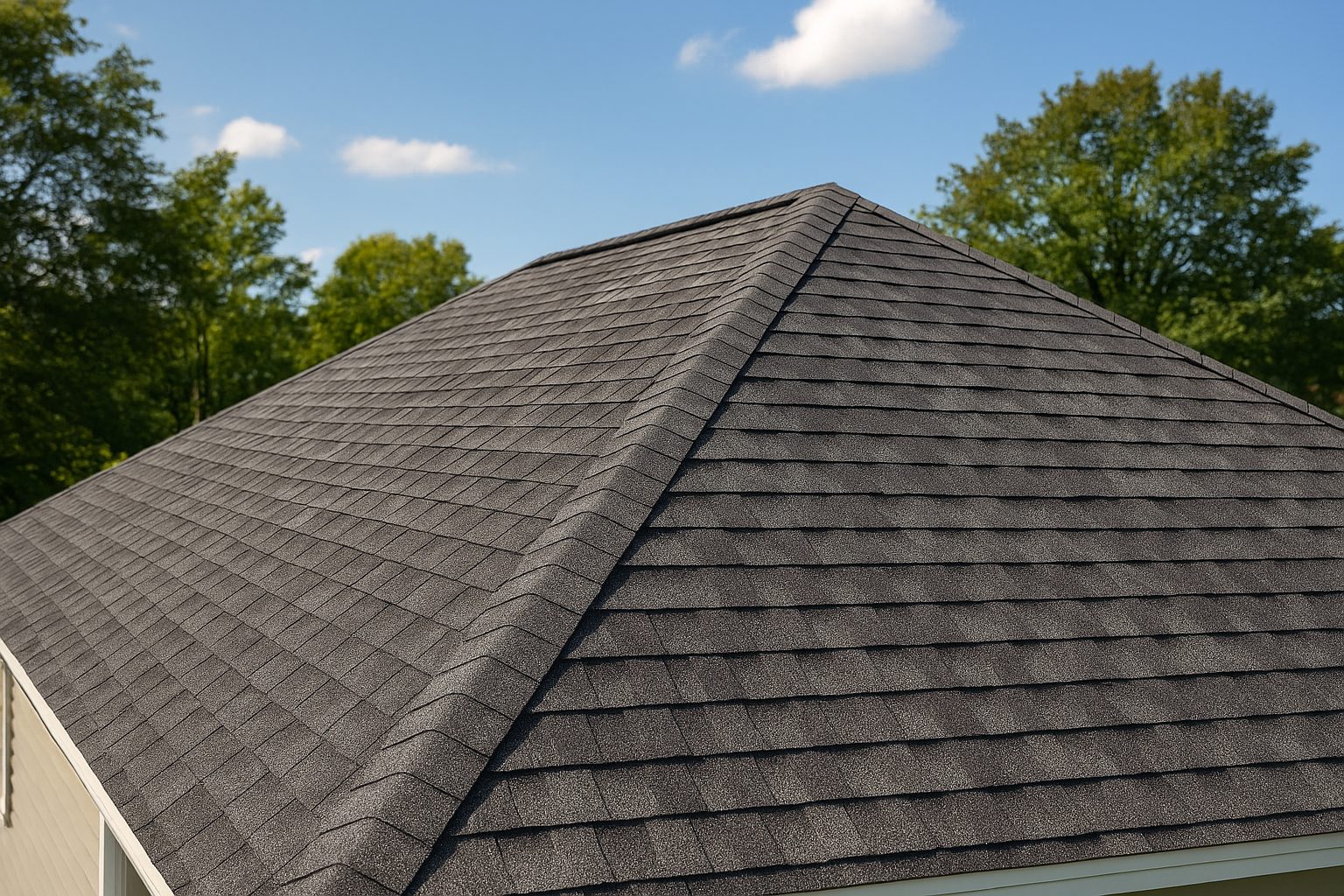
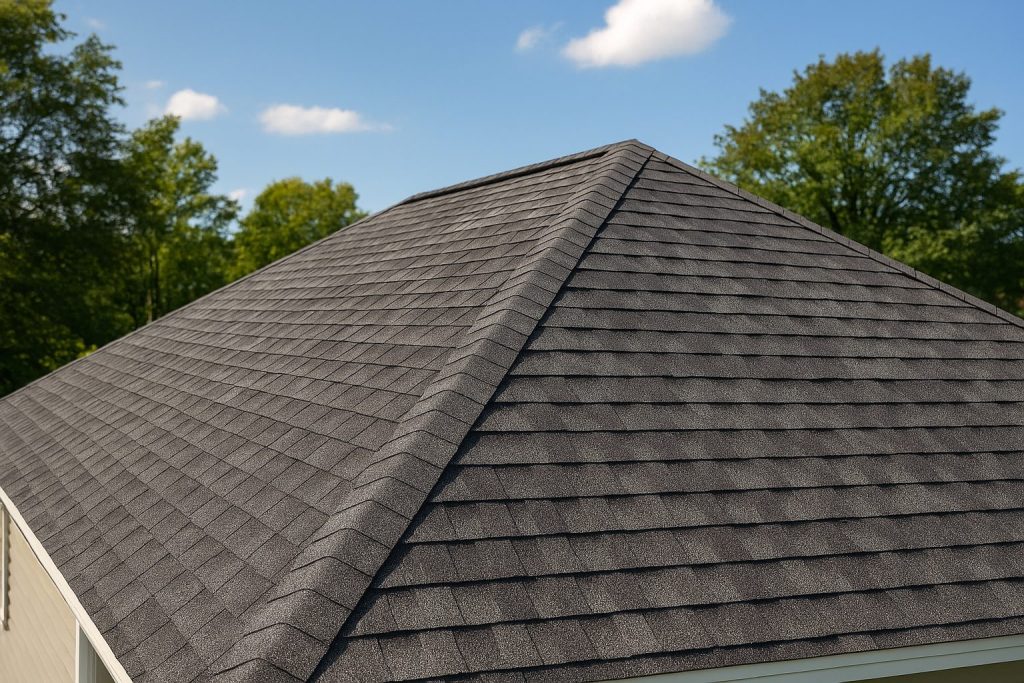
- Hip roofs (sloped on all sides)
- Lower‑profile rooflines
- Reduced overhangs
Higher‑Risk Roof Features
- Large gables
- Flat roofs without adequate bracing
- Aging structural fasteners
If you’re replacing an older roof, wind‑resistant upgrades may be possible without altering your home’s appearance.
Common Myths About Wind‑Resistant Roofing
❌ “New roofs don’t need wind upgrades.”
Even new roofs can fail if built with low‑wind‑rated materials.
❌ “Insurance covers everything.”
Storm damage claims often involve deductibles, depreciation, and partial coverage.
❌ “Metal roofs attract lightning.”
Metal roofing does not increase lightning risk and often reduces fire damage.
How Wind‑Resistant Roofing Saves Money Over Time
Although some wind‑resistant options may have a higher initial cost, Iowa homeowners often see savings over time.
Long‑Term Financial Benefits
- Fewer storm repairs
- Longer roof lifespan
- Reduced insurance premiums
- Increased home value
- Lower stress during storm season
Many insurance providers recognize Class 4 and metal roofing systems with premium reductions.
Warning Signs Your Iowa Roof May Not Be Wind‑Ready
If you notice any of the following, your roof may already be vulnerable:
- Curling or lifting shingles
- Frequent shingle replacement after storms
- Missing ridge caps
- Granules collecting in gutters
- Visible nail pops
A professional inspection can identify weaknesses before they result in major damage.
Roofing Inspections After Iowa Windstorms
After severe wind events, damage isn’t always obvious. Hidden issues can worsen over time, leading to leaks and structural issues. Many roofing companies in Iowa offer free estimates and inspections as part of their services to assess storm damage and recommend appropriate repairs or replacements. Roofing services in Iowa often include storm damage restoration, which is crucial for homeowners after severe weather events.
123 Exteriors provides professional storm inspections to:
- Identify hidden wind damage
- Document issues for insurance claims
- Recommend repairs or replacement
- Protect your home before the next storm
Why Iowa Homeowners Trust 123 Exteriors
123 Exteriors takes pride in being a trusted local business, with a dedicated team committed to delivering quality craftsmanship and exceptional service to Midwestern homeowners seeking weather‑resilient roofing solutions.
What Sets Us Apart:
- Local wind and storm expertise
- Manufacturer‑certified installers
- Insurance claim assistance
- High‑performance roofing systems
- Transparent pricing and fast estimates
Our skilled team doesn’t just install roofs—we create custom roofing solutions tailored to each homeowner’s needs, ensuring durability and aesthetic appeal. In addition to roofing, 123 Exteriors offers comprehensive home exterior services, including siding and windows, to protect and enhance your home.
Get an Instant Fast Roof Quote Online Today
If you’re considering upgrading to wind‑resistant roofing or want to know whether your current roof can withstand Iowa’s storms, now is the time to act. Start your project by filling out our quick online form to request a consultation. 123 Exteriors will help you plan your roofing project from start to finish, ensuring your home is protected and your expectations are met every step of the way.
✅ Fast
✅ No Obligation
Invest in Protection, Not Repairs
Iowa’s winds aren’t going away—but roofing failures don’t have to be inevitable. With the right materials, expert installation, and proactive planning, your house can stand strong through every season, enjoying the long life and durability that wind-resistant roofing materials provide for lasting protection.
Investing in a new roof is a significant step for Iowa homeowners, ensuring your house is better protected against severe weather. For siding installation, it’s important to hire professionals to guarantee quality workmanship and safety throughout the process. Always prioritize safety when inspecting or repairing your roof—wear protective gear and consider professional help to avoid injury.
Wind‑resistant roofing is not just a smart choice—it’s an essential investment for Iowa homeowners. 123 Exteriors proudly serves Central Iowa, bringing regional expertise and reliable service to your home improvement projects.
When you’re ready to take the next step, 123 Exteriors is here to help.
Ready for peace of mind?
👉 Get Your Instant Fast Roof Quote Online with 123 Exteriors Today
Popular Posts