
Ohio Roofing: How Ohio’s Weather Patterns Impact Roof Lifespan

Ohio Roofing: How Ohio’s Weather Patterns Impact Roof Lifespan
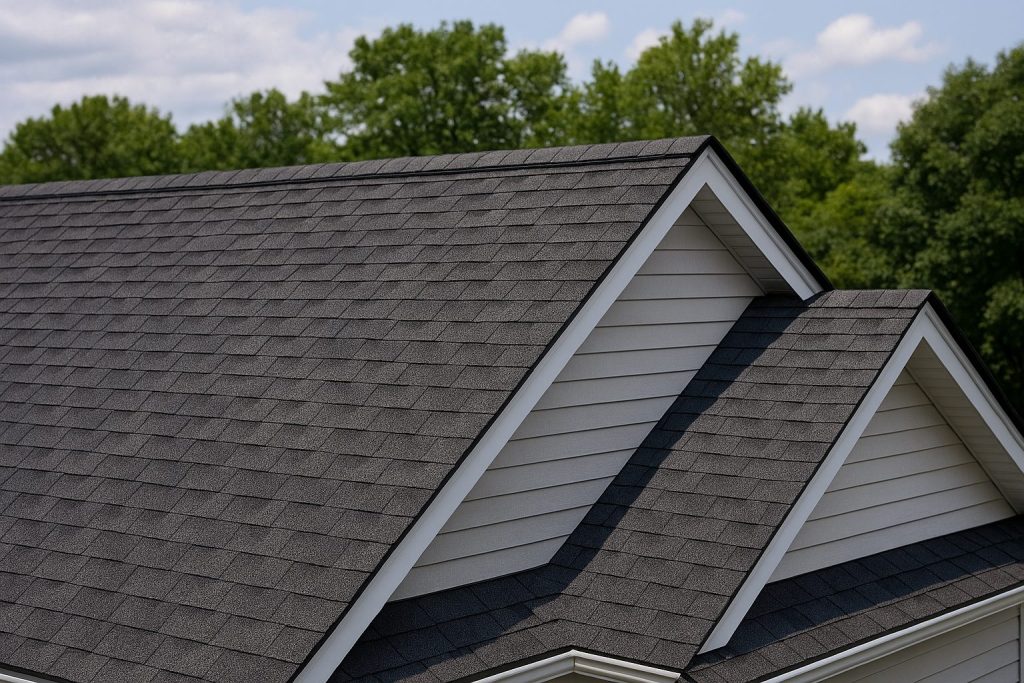
How Ohio’s Weather Patterns Impact Roof Lifespan
Ohio homeowners know one thing for sure: our weather is unpredictable. One week brings heavy rain, the next delivers snow, then sudden heat, humidity, or damaging windstorms. While these changing conditions are a fact of life, they quietly take a toll on one of your home’s most critical systems—your roof. When it comes to ohio roofing, hiring a professional roofing contractor is essential for quality craftsmanship, dependable results, and peace of mind that your home is protected.
Understanding how Ohio’s weather patterns impact roof lifespan can help you extend the life of your roof, prevent costly repairs, and know when it’s time for replacement. In this comprehensive guide, roofing experts at 123 Exteriors explain exactly how Ohio’s climate affects roofing materials—and what you can do to protect your investment.
Why Roof Lifespan Varies in Ohio
The average roof lifespan is often listed as:
- Asphalt shingles: 20–30 years
- Metal roofing: 40–70 years
- Tile or slate: 50+ years
However, these estimates assume ideal conditions. Ohio’s climate is far from ideal for roofing materials.
Ohio sits in a humid continental climate zone, meaning:
- Hot, humid summers
- Cold, snowy winters
- Frequent rainstorms
- Freeze–thaw cycles
- High winds and severe weather
Each of these elements directly affects roofing materials, sometimes shortening their lifespan significantly without proper installation and maintenance.
That’s why it’s crucial to choose a residential roofing expert who understands the entire process—from inspection to replacement—to ensure your roof withstands Ohio’s challenging weather. Selecting the best choice in Ohio roofing guarantees long-term protection and satisfaction.
Ohio’s Four Seasons and How Each Damages Your Roof
1. Winter: Snow, Ice, and Freeze–Thaw Damage
Ohio winters are among the most damaging seasons for roofs. Ice dams, heavy snow, and freezing temperatures can cause significant wear and tear, leading to leaks and structural issues. If you notice signs of winter damage, such as icicles forming on the edge of your roof or water stains on your ceiling, it’s important to act quickly. Many reputable ohio roofing contractors offer emergency services to address urgent winter roof issues, providing peace of mind for homeowners facing unexpected problems. When scheduling a professional inspection, always ensure the roofing contractor is fully licensed and insured to guarantee quality workmanship and safety. Regular maintenance and prompt repairs can help extend the life of your roof and protect your home throughout the harsh Ohio winter.
Ice Dams: A Silent Roof Killer
When snow melts and refreezes along the roof edge, ice dams form. These block water from draining properly, forcing it under shingles and into your home.
Common problems caused by ice dams include:
- Shingle lifting
- Rotten roof decking
- Interior water stains
- Mold growth
- Insulation damage
Without proper ventilation and insulation, ice dams can shorten a roof’s life by years.
Freeze–Thaw Cycles
Ohio frequently experiences temperatures fluctuating above and below freezing. Water seeps into small cracks, freezes, expands, and then thaws—slowly widening gaps in shingles and flashing.
Over time, this leads to:
- Cracked shingles
- Compromised seals
- Leaks that worsen every winter
Professional inspections from 123 Exteriors identify freeze damage early—saving thousands in repairs.
2. Spring: Rain, Wind, and Structural Stress
Spring in Ohio brings relief from winter—but also heavy rain and high winds. Hail is another common cause of roof and exterior damage during spring storms, often requiring urgent repairs. These severe weather events can loosen shingles, damage flashing, and cause leaks that threaten your home’s structure.
If your roof suffers storm damage, it’s important to act quickly. Many homeowners work with their insurance company to assess the damage and file insurance claims for necessary spring storm repairs, ensuring a smoother and less stressful recovery process.
Prolonged Rainfall
Extended wet conditions saturate roofing materials and expose weaknesses such as:
- Worn flashing
- Broken seals
- Improper drainage
Water intrusion often starts small but can cause:
- Wood rot
- Mold
- Compromised structural integrity
High Wind Events
Ohio frequently experiences gusts strong enough to:
- Lift or tear shingles
- Damage ridge caps
- Loosen flashing
Wind damage may not be visible from the ground—but it leaves your roof vulnerable to future storms.
If your roof is over 10 years old, a spring inspection is critical.
👉 Get a fast, free online quote from 123 Exteriors today.
3. Summer: Heat, Humidity, and UV Exposure
Summer weather accelerates roof aging more than many homeowners realize. UV radiation breaks down roofing materials, causing asphalt shingles to become brittle and lose their protective granules. Modern shingles and metal roofing not only resist this breakdown but also offer enhanced aesthetic appeal, boosting your home’s curb appeal while providing durability.
Metal roofing stands strong against Ohio’s intense summer heat and sudden storms, offering a long-lasting solution for homeowners. Using top tier materials, such as reflective metal roofs, ensures maximum durability and energy efficiency, as these options can help reduce cooling costs in warmer climates.
UV Radiation Breakdown
Constant exposure to ultraviolet rays causes shingles to:
- Dry out
- Become brittle
- Lose protective granules
Granule loss reduces your roof’s ability to reflect heat, raising attic temperatures and stressing materials further.
High Heat Expansion
Extreme heat causes roofing components to expand. When temperatures cool at night, they contract. This constant movement loosens fasteners and weakens seals over time.
Humidity and Moisture Retention
Ohio’s humid summers can trap moisture in poorly ventilated attics, leading to:
- Mold growth
- Wood rot
- Insulation breakdown
123 Exteriors installs roofing systems designed to withstand high heat and humidity.
4. Fall: Temperature Drops and Hidden Weaknesses
Fall is often calm, but it exposes damage caused earlier in the year.
As temperatures drop:
- Brittle shingles crack
- Old repairs fail
- Small leaks become noticeable
Leaves and debris clog gutters, causing water backup that affects roof edges and fascia.
Fall inspections are ideal—addressing issues before winter magnifies them. Detecting and repairing minor leaks at this stage can prevent them from turning into major problems during the harsher winter months.
How Common Roofing Materials Perform in Ohio Weather
Asphalt Shingles (Most Common in Ohio)
Pros:
- Affordable
- Easy to repair
- Widely available
Cons in Ohio Climate:
- Vulnerable to temperature extremes
- Shorter lifespan due to freeze–thaw cycles
- Granule loss from UV exposure
💡 Expected lifespan in Ohio: 15–25 years
Metal Roofing
Pros:
- Excellent for snow shedding
- Resists freeze–thaw damage
- Energy-efficient
Cons:
- Higher upfront cost
- Expansion noise if poorly installed
💡 Expected lifespan in Ohio: 40–70 years
Tile or Slate Roofing
Pros:
- Exceptionally durable
- Resistant to UV damage
- Long lifespan
Cons:
- Very heavy
- Requires structural reinforcement
- Expensive repairs
💡 Best for high-end homes with proper support
Signs Ohio Weather Is Damaging Your Roof
Homeowners often miss early warning signs. Watch for:
- Curling or missing shingles
- Granules in gutters
- Interior ceiling stains
- Sagging rooflines
- Increased energy bills
- Mold or musty attic odors
If you notice any of these, your roof may already be compromised.
👉 Find out now—get a free online roof quote with 123 Exteriors.
How to Extend Your Roof’s Lifespan in Ohio
Schedule Regular Inspections
Annual inspections—plus checks after major storms—help catch damage early.
Improve Attic Ventilation
Proper airflow prevents ice dams, reduces summer heat, and controls humidity.
Keep Gutters Clean
Unclogged gutters prevent water backup and fascia damage.
Invest in Quality Materials
Roofing systems rated for temperature extremes last far longer in Ohio conditions.
Choose Local Experts
Ohio weather requires Ohio expertise.
✅ 123 Exteriors specializes in roofing built for Midwest climates. As a locally owned and operated business, we are a family owned business with deep community roots, providing personalized service you can trust. Our operated company is committed to supporting the local economy and delivering the reliability you expect from an operated business.
Why Ohio Homeowners Trust 123 Exteriors
At 123 Exteriors, we understand exactly how Ohio’s weather impacts roofs because we work here every day as a trusted company and business serving customers throughout Northwest Ohio.
Why choose us:
- Local Ohio roofing experts
- Weather‑resistant materials
- Professional inspections
- Insurance claim assistance
- Transparent pricing
- Fast, accurate online quotes
- Commitment to unparalleled service and customer satisfaction from our dedicated team of professionals
We don’t just install roofs—we design systems engineered to last in Ohio’s demanding climate.
Roof Repair vs. Replacement: What Makes Sense?
Repair may be enough if:
- Damage is localized
- Roof is under 15 years old
- No structural issues exist
Replacement is smarter if:
- Roof is nearing end of lifespan
- Damage is widespread
- Energy efficiency is poor
- Storm damage is recurring
When a roof replacement is needed, the project typically involves removing the old roof and performing a complete roof installation of a new roof. A professional ohio roofing contractor will provide an accurate estimate for the job, manage the entire project from start to finish, and ensure quality workmanship. Under optimal conditions, a typical roof replacement project usually takes a few days to complete, depending on contractor scheduling and weather.
Our experts help you decide honestly—no pressure.
Final Thoughts: Protect Your Roof From Ohio Weather
Ohio’s weather is tough—but the right roof, installed correctly and maintained well, can last decades.
Understanding how each season impacts your roof empowers you to:
- Act early
- Reduce long-term costs
- Protect your home and family
If your roof has faced harsh Ohio winters, humid summers, and severe storms, now is the time to check its condition. Trust the Roof Ohio experts for all your roofing needs, and rely on their local experience and reputation for quality service.
Get Your Free Online Quote Today
Don’t wait for the next storm to reveal damage.
👉 Contact 123 Exteriors today for your FREE estimate Fast. Accurate. Trusted by Ohio customers.
We are committed to serving our customers and protecting everything beneath your roof—trust the experts who understand Ohio weather best.
Popular Posts