
Storm Ready Windows: 7 Things Every Midwest Homeowner Should Check Before the Next Storm

Storm Ready Windows: 7 Things Every Midwest Homeowner Should Check Before the Next Storm
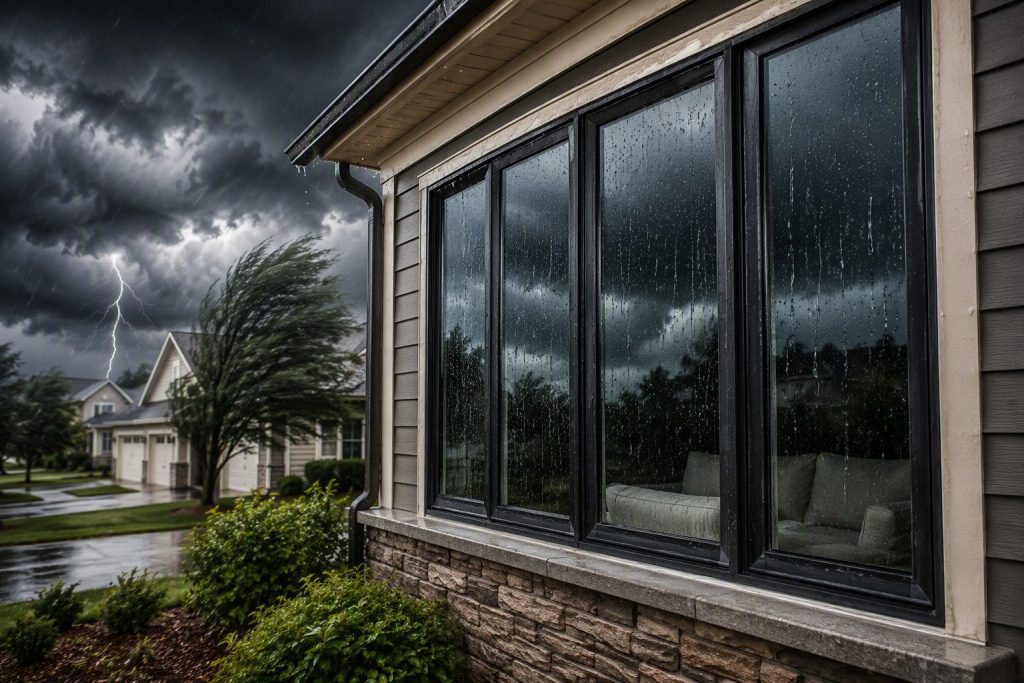
Every year, Midwest homeowners face powerful thunderstorms, heavy rain, high winds, hail, and rapidly changing temperatures. Storm ready windows are windows that have been inspected, maintained, or replaced so they can stand up to wind-driven rain, hail, temperature swings, and air leaks before severe weather hits. While many people focus on their roof when bad weather is in the forecast, windows are often the first line of defense against the elements.
At 123 Exteriors, we’ve seen firsthand how severe weather can expose hidden window problems that homeowners didn’t know existed. Small issues like worn caulking, failed seals, aging frames, cracked glass, or windows that no longer open and close properly can quickly lead to water damage, higher energy bills, drafts, and costly repairs after a storm.
A simple inspection before severe weather arrives can help identify vulnerabilities and protect your home. Below, you’ll learn what every Midwest homeowner should check—from drafts, seal failure, frame damage, and exterior caulking to signs that a repair is enough or a full replacement is the better move—before the next storm system moves in.
Why Your Windows Matter During Severe Weather
Your windows do much more than provide natural light and curb appeal. They help protect your home from the elements while providing added protection and helping maintain the building envelope during severe weather events:
- Wind-driven rain
- High winds
- Hail
- Moisture intrusion
- Air leaks
- Temperature extremes
- Energy loss
If a window fails, high winds entering through the opening can create pressure spikes that threaten structural integrity.
When windows begin to fail, they can allow water and air into your home, leading to costly damage that often goes unnoticed until it’s too late.
That’s why regular inspections and maintenance are essential, especially in the Midwest where weather conditions can change rapidly.
1. Check for Drafts Around Your Windows
Drafty windows aren’t just an energy-efficiency issue. They can also indicate gaps where wind and moisture may enter during a severe storm, and you can inspect for drafts by holding a lit candle near the window edges to spot air movement.
If your current windows keep leaking air, it may make sense to replace them, since more efficient impact windows can help save money by reducing heating and cooling costs, including cooling bills.
Warning Signs
- Feeling air movement around the window frame
- Uneven indoor temperatures
- Higher heating or cooling costs
- Curtains moving when windows are closed
- Whistling sounds during windy conditions
Even small gaps can allow moisture to enter the wall when storms bring strong winds and heavy rain, and problems left unaddressed can lead to bigger repairs.
What to Do
Inspect the perimeter of your windows for worn weatherstripping or damaged seals, and make sure the window fits squarely in the frame, using a tape measure if needed.
If drafts persist, it may be time for a professional evaluation to determine whether the unit is still sealed properly or whether repair or replacement is the better option.
2. Inspect Window Seals for Failure
Modern double-pane and triple-pane windows rely on airtight seals, and some storm-ready and impact-resistant models use laminated glass bonded with a plastic interlayer to improve performance and keep moisture out while maintaining energy efficiency.
Over time, these seals can fail. In particular, broken seals can lead to fogging, condensation, and lost efficiency, while impact-resistant windows are tested to specific performance standards and are designed to keep the glass intact even if damaged.
Signs of Seal Failure
- Foggy glass panes
- Condensation between panes
- Hazy appearance that can’t be cleaned
- Moisture trapped inside the glass unit
Beyond insulation, well-built storm windows can also reduce outside noise and block UV rays.
A failed seal reduces insulation performance and increases the likelihood of moisture-related problems during storms.
Why Energy Efficiency Matters
When severe weather arrives, compromised seals can allow additional moisture penetration and decrease your home’s comfort and efficiency, affecting comfort in the house in both summer and winter; when seals fail, the unit also loses some of the sound-control and UV-blocking benefits found in storm-ready windows, which can block up to 99% of ultraviolet rays and reduce outdoor noise, and in impact windows, which can reduce noise from outside significantly.
3. Look for Water Damage Around Window Openings
Water stains are often one of the earliest indicators of window problems.
Unfortunately, many homeowners don’t discover leaks until stains appear on drywall, trim, flooring, or an adjacent wall, and even minor staining can become a common problem if moisture is left unaddressed.
Check For
- Yellow or brown stains
- Bubbling paint
- Soft drywall
- Warped trim
- Peeling paint
- Mold or mildew odors
Well-built impact windows use heavy-duty frames and specialized seals to help prevent water intrusion.
If you notice any of these warning signs, it’s important to investigate further before the next heavy rainfall event, since this added protection can help prevent interior water damage during storms.
4. Examine Window Frames for Damage
Window frames are exposed to the elements year-round.
Years of sun exposure, moisture, freeze-thaw cycles, and temperature fluctuations can weaken them over time, and different frame materials age differently. Maintaining them also means regularly cleaning window frames with mild soap and water. Reinforced frame components in storm-ready units are designed to withstand high structural pressure from winds.
Common Problems
Wood Frames
- Rot
- Soft spots
- Cracking
- Warping
Vinyl Frames
- Cracks
- Bowing
- Separation at corners
Aluminum Frames
- Corrosion
- Bent sections
- Loose fasteners
Why Frame Condition Matters
Even the highest-quality glass cannot perform effectively if the frame and hardware system are compromised, since full storm performance depends on both.
Many storm-related leaks result from deteriorated frames rather than damaged glass, and storm-ready units use quality materials and are engineered to withstand extreme wind pressures and debris.
5. Inspect Window Glass for Cracks and Damage
A small crack may not seem like a major concern, but damaged glass is also a safety issue, and severe weather can quickly turn a minor issue into a costly problem. Replacing the glass promptly helps protect the house and may help you avoid more expensive repairs if the damage is left unaddressed.
Look For
- Hairline cracks
- Chips along the edges
- Surface damage
- Impact marks
Strong winds, hail, and rapid temperature changes place additional stress on weakened glass.
Replacing damaged glass before a storm is significantly less expensive than dealing with emergency repairs afterward.
6. Test Every Window’s Operation
Windows should open, close, lock, and seal properly for weather performance and security.
When they don’t, they can become vulnerable during severe weather. Storm-rated units with impact glass also improve security because the glass is harder to break.
Common Issues
Operation problems can vary by style, so it helps to know what to check.
- Sticking windows
- Broken locks
- Misaligned sashes
- Damaged hardware
- Windows that won’t fully close
Single-hung windows have one operational sash, double-hung windows have two operational sashes, casement windows swing open on a hinge for ventilation, and sliding windows consist of one fixed and one sliding sash; if movement feels off, inspect and lubricate hinges as needed.
A window that doesn’t seal properly creates opportunities for water intrusion and energy loss.
Testing every window at least twice a year can help homeowners identify problems before they become emergencies.
7. Inspect Exterior Caulking and Weatherproofing
Caulking plays a critical role in protecting your home from moisture, and weatherproofing around windows and doors helps control moisture.
Over time, exposure to sunlight, rain, and temperature fluctuations causes caulk to deteriorate, and as it starts to break down, it can break away from surrounding materials and reduce protection.
Look For
- Cracks
- Gaps
- Missing sections
- Shrinking
- Separation from trim or siding
Failing caulk creates an easy pathway for water to enter your home during storms, so ongoing inspections are key to maintaining long-term performance.
The good news is that addressing worn caulking early can help prevent costly water damage later and keep the area sealed properly to limit water intrusion and heat loss.
Bonus Check: Consider the Age of Your Windows
Many homeowners don’t realize their windows may be reaching the end of their useful life.
If your windows are over 15 to 25 years old and showing multiple signs of wear, replacement with new windows may be the most cost-effective long-term solution; storm-rated or impact-resistant options can cost 20 to 40 percent more than standard units, but the upfront cost can still add value over time, including stronger resale appeal in storm-prone markets.
Signs It May Be Time for Replacement
- Frequent repairs
- Persistent drafts
- Condensation issues
- Rising energy bills
- Difficulty opening or closing
- Visible deterioration
Today’s replacement windows offer improved durability, energy efficiency, weather resistance, and curb appeal compared to older models.
Why Midwest Homes Need Impact Resistant Windows
Midwest weather can be especially demanding on windows, and in some regions hurricane-rated products are used because conditions can be especially hard on glass and frames.
Homeowners may experience:
Storm-ready windows provide passive protection and remain functional during storms, unlike shutters that must be installed before each storm.
Strong Thunderstorms
Powerful wind gusts can stress aging windows and frames.
Heavy Rain
Persistent rain can expose small leaks and weaknesses in seals.
Hail
Older windows are often more susceptible to impact damage.
Freeze-Thaw Cycles
Water that enters tiny cracks can freeze and expand, causing further deterioration.
High Humidity
Excess moisture can contribute to wood rot, mold growth, and seal failure.
Because Midwest homes endure so many weather extremes, regular window inspections are one of the smartest investments a homeowner can make.
Why Homeowners Choose 123 Exteriors
At 123 Exteriors, we understand the challenges Midwest weather presents because we work with homeowners facing them every day.
Our team helps homeowners identify window issues before they result in costly damage through professional inspections, repairs, replacement solutions, and installing certified impact-resistant windows for homeowners seeking long-term storm protection. We also use proven product technology to match each home’s needs.
When you work with 123 Exteriors, you can expect:
- Honest recommendations
- Experienced exterior professionals
- High-quality window products
- Expert installation
- Clear, upfront pricing
- Outstanding customer service
Whether your windows need maintenance, repair, or complete replacement, our team is here to help you make the best decision for your home and budget.
Don’t Wait Until After the Storm
The best time to identify a window problem is before severe weather arrives.
A proactive inspection can help protect your home from water damage, energy loss, and unexpected repair costs while giving you peace of mind during storm season.
Schedule Your Window Inspection With 123 Exteriors
If you’re noticing drafts, moisture, aging windows, or simply want a professional assessment before the next storm, we’re here to help you compare storm-ready products, including impact windows where code or risk makes them a key consideration.
In high-risk areas such as parts of Florida, the high velocity hurricane zone and local rules may require impact-resistant windows, and some products are rated for wind gusts over 212 mph.
Get an Inspection and No-Obligation Quote
Our experts will evaluate:
- Window frames and structural condition
- Glass and seal performance
- Water intrusion risks
- Exterior caulking and weatherproofing
- Energy-efficiency concerns
- Repair and replacement options
Protect your home before the next storm arrives.
Contact 123 Exteriors today to schedule your window inspection and receive a no-obligation quote.
Popular Posts