
Cleveland Roofing: Summer Storm Damage and Roof Protection

Cleveland Roofing: Summer Storm Damage and Roof Protection
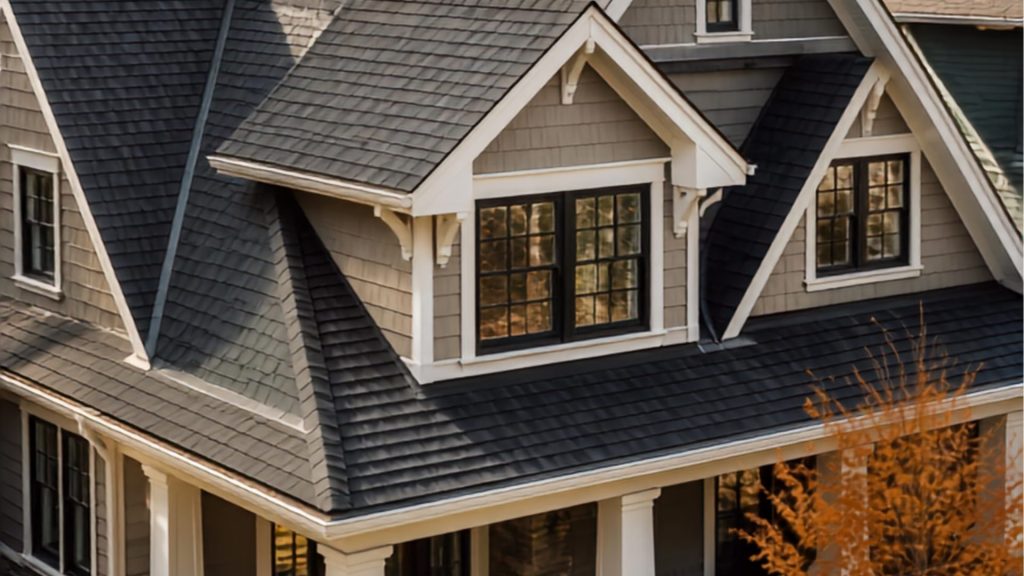
Summer in Cleveland brings sunshine, backyard gatherings, and longer days, but it also brings powerful thunderstorms that can put your roof at risk. High winds, heavy rain, hail, lightning, and falling tree limbs can cause significant damage to residential roofing systems throughout Northeast Ohio. Many homeowners don’t realize their roof has been compromised until water stains appear on ceilings or leaks develop weeks after a storm.
Cleveland’s proximity to Lake Erie contributes to rapidly changing weather patterns that create unique challenges for local roofing systems. Sudden storms, strong wind gusts, and repeated weather exposure can weaken roofing materials over time, making regular inspections and preventative maintenance essential for protecting your home.
At 123 Exteriors, we help homeowners throughout Cleveland identify storm damage, extend the lifespan of their roofing systems, and protect their homes from costly repairs. Whether you’ve recently experienced severe weather or simply want to prepare for the next storm, understanding how summer weather affects your roof is the first step toward protecting your investment.
Why Summer Storms Are a Major Threat to Cleveland Roofs
Many homeowners associate roof damage with harsh winters, snow accumulation, and ice dams. While winter certainly takes its toll, storm risk is not limited to one season, and Cleveland roofs also take damage from freeze-thaw cycles that wear down roofing materials over time.
A single severe thunderstorm in Cleveland can subject your roof to frequent storm-damage drivers like high winds and hail, as well as:
- Wind gusts strong enough to lift shingles
- Hail impacts that bruise roofing materials
- Torrential rainfall that exploits hidden vulnerabilities
- Flying debris that punctures roofing surfaces
- Tree branch impacts that damage shingles and decking
Because some forms of storm damage are difficult to see from the ground, problems frequently go unnoticed until significant deterioration has already occurred.
Storm-related roofing damage can affect every component of the system, including:
- Shingles
- Flashing
- Roof decking
- Gutters
- Ventilation systems
- Chimneys
- Skylights
When any of these components become compromised, your home’s protection against water intrusion is significantly reduced.
Understanding Cleveland’s Summer Weather Challenges
Homes throughout Cleveland, Lakewood, Parma, Strongsville, Rocky River, Westlake, and surrounding communities experience weather conditions that can be extremely tough on roofs.
The region’s location near Lake Erie contributes to rapidly developing storm systems, changing weather conditions, and lake effect storms; lake-effect snow from Lake Erie can also stress roofing systems beyond summer storms. Roofs must withstand repeated cycles of intense sun exposure, heavy rainfall, wind-driven storms, and fluctuating temperatures tied to northeast ohio weather. These conditions can accelerate wear and reduce the lifespan of roofing materials, and Cleveland’s weather demands strong, reliable roofing materials made with high quality materials if proper maintenance is neglected.
Unlike winter damage, which develops gradually, summer storm damage can occur in a matter of minutes.
A roof that appears perfectly fine before a thunderstorm may have:
- Lifted shingles
- Damaged flashing
- Cracked seals
- Missing granules
- Hidden water penetration
by the time the storm passes.
How High Winds Damage Roofing Systems
Wind is one of the most common causes of roofing damage in Northeast Ohio.
Many homeowners assume that if shingles remain attached, their roof escaped damage. Unfortunately, that’s not always true.
Strong winds can:
Break Shingle Seals
Modern shingles rely on adhesive strips that help secure them against weather conditions. Powerful wind gusts can break these seals and loosen shingles without completely removing them.
Once the seal is broken, shingles become more vulnerable during future storms.
Lift Roofing Materials
Wind can partially lift roofing materials, allowing air to travel underneath them. This creates increased pressure that can lead to:
- Cracking
- Curling
- Tearing
- Complete shingle loss
Damage Roof Edges
The perimeter of the roof is often the most vulnerable area during high-wind events. Eaves, ridges, and corners frequently experience the greatest wind pressure.
Expose Underlayment
Once shingles become displaced, the protective underlayment beneath them can become exposed to moisture and ultraviolet radiation.
Over time, this accelerates deterioration and increases leak risks.
The Hidden Dangers of Hail Damage
One of the most misunderstood threats to roofing systems is hail.
After a hailstorm, homeowners often look for obvious holes or missing shingles. However, hail damage is frequently more subtle.
Granule Loss
Asphalt shingles contain protective granules that shield them from UV exposure.
Hail impacts can dislodge these granules, creating weak spots that age prematurely.
Without adequate granule coverage, shingles:
- Absorb more heat
- Deteriorate faster
- Become brittle
- Lose water-shedding capabilities
Bruising and Fractures
A hailstone doesn’t need to puncture a shingle to cause damage.
The impact can create bruises beneath the shingle surface that weaken the material.
Over time, these bruised areas may crack and allow water infiltration.
Damage to Roof Components
Hail can also impact:
- Flashing
- Roof vents
- Gutters
- Downspouts
- Skylights
These areas are critical to preventing moisture intrusion.
Even minor damage can create opportunities for water entry.
Heavy Rain and Roof Leaks
Heavy rainfall is another significant threat to Cleveland homes.
Cleveland roofing services often include both roof repair and full replacements, depending on how extensive the water-related damage is. When a roof is functioning properly, water should flow quickly away from the structure. However, damaged roofing components can allow water to find pathways into the home.
Common Leak Entry Points
Water often enters through:
- Damaged flashing
- Missing shingles
- Cracked vent boots
- Chimney connections
- Skylight seals
Many leaks begin as small, hidden problems that worsen over time.
Interior Warning Signs
Homeowners should watch for:
- Water stains on ceilings
- Peeling paint
- Bubbling drywall
- Mold growth
- Damp insulation
- Musty odors
These symptoms often indicate an underlying roofing issue that requires immediate attention.
The Risk of Falling Tree Limbs
Cleveland’s mature neighborhoods are known for beautiful tree-lined streets.
While trees increase curb appeal and provide shade, they can also pose significant risks during summer storms.
Strong winds frequently cause branches to break and fall onto roofs.
Potential consequences include:
- Broken shingles
- Punctures
- Damaged flashing
- Crushed gutters
- Structural damage
Large branch impacts may even compromise roof decking and framing components.
Preventative tree maintenance is one of the most effective ways to reduce storm-related roofing damage.
Why Minor Roof Damage Should Never Be Ignored
Many homeowners postpone repairs because the damage appears small.
However, even a single missing shingle can lead to significant problems.
Small issues can quickly evolve into:
- Major leaks
- Mold growth
- Rotting wood
- Damaged insulation
- Increased energy costs
- Interior damage
Early intervention is almost always more affordable than extensive repairs later.
The cost of replacing a few shingles is substantially lower than replacing large sections of roof decking or repairing water-damaged interiors.
The Importance of Post-Storm Roof Inspections
A professional roof inspection—or even a free inspection offered by some Cleveland roofers, including Lifetime Quality in Cleveland—can be one of the smartest post-storm steps a homeowner can take.
Professional inspections often uncover damage that cannot be seen from the ground.
At 123 Exteriors, our roofing specialists evaluate all critical components, including:
- Shingle condition
- Flashing integrity
- Roof penetrations
- Ventilation systems
- Gutter performance
- Structural concerns
Thorough inspections allow homeowners to address issues before they escalate, and many contractors also provide a no-obligation estimate with the inspection.
How Professional Roof Inspections Save Money
Many homeowners view inspections as an added expense.
In reality, inspections often save money by identifying damage early.
Benefits include:
Preventing Major Repairs
Small problems can be corrected before they result in extensive damage.
Extending Roof Lifespan
Routine inspections help roofing systems reach their expected service life, and in Cleveland, roofs generally last 20–30 years when installation and ongoing upkeep are both sound.
Supporting Insurance Claims and Storm Damage Restoration
Storm damage documentation can be crucial when filing insurance claims, especially when you need clear evidence to share with your insurance company. An experienced contractor can work directly with the insurer to support the claim process and help confirm storm-related damage is covered.
Improving Home Value
A well-maintained roof enhances curb appeal and buyer confidence.
Preventative Roof Protection Strategies
While no roof is completely storm-proof, several steps can significantly reduce the likelihood of damage.
Schedule Regular Roof Inspections
Annual inspections help identify vulnerabilities before severe weather arrives, and many local experts offer free roof inspections after major storms as well as routine annual checkups.
Keep Gutters Clean
Clogged gutters prevent proper drainage and may cause water to back up beneath roofing materials.
Regular cleaning improves water flow and reduces moisture-related risks.
Trim Nearby Trees
Removing overhanging branches minimizes the risk of impact damage during storms.
Address Repairs Immediately
Ignoring minor damage often leads to larger and more expensive problems.
Maintain Proper Attic Ventilation
Ventilation contributes to the overall health of a roofing system.
A properly ventilated attic helps reduce moisture buildup and temperature extremes that accelerate roof deterioration.
Signs Your Roof May Need Repair After a Storm
Not all storm damage requires full roof replacement.
However, timely repairs are essential when warning signs appear.
Look for:
- Missing shingles
- Cracked shingles
- Curling shingles
- Exposed roofing nails
- Granules in gutters
- Bent flashing
- Water stains indoors
- Sagging roof sections
- Damaged vents
- Loose gutters
If you notice any of these issues, schedule an inspection as soon as possible.
When Roof Replacement May Be the Better Option
In some situations, repairs may no longer be enough.
Factors that may indicate replacement is necessary include:
Extensive Storm Damage
Large areas of compromised roofing may not be suitable for repair alone.
Advanced Roof Age
Older roofing systems are generally more susceptible to recurring problems.
Recurring Leaks
Multiple leak events often indicate widespread underlying issues.
Structural Concerns
Water intrusion can damage roof decking and supporting components.
Professional roofing contractors can evaluate the overall condition of your roof and recommend the most cost-effective solution.
Benefits of Investing in a Strong Roofing System
A durable roofing system provides more than weather protection.
It also offers:
Improved Energy Efficiency
Proper roofing systems help regulate indoor temperatures.
Greater Property Value
A well-maintained roof is attractive to potential buyers.
Enhanced Protection
Modern roofing materials are designed to perform under northeast Ohio weather, and material choice matters, including options such as metal roofing for added durability.
Peace of Mind
Knowing your home is protected helps eliminate uncertainty during severe weather events.
Summer Roof Maintenance Checklist
Use this checklist to help protect your Cleveland roof throughout the summer season:
Monthly Tasks
- Inspect gutters
- Remove debris
- Check attic for moisture
- Examine ceilings for stains
After Every Major Storm
- Walk around the property
- Look for missing shingles
- Check for fallen branches
- Inspect gutters and downspouts
- Schedule a professional inspection if damage is suspected
Annually
- Complete a professional roof inspection
- Assess ventilation systems
- Review flashing condition
- Evaluate overall roof performance
Consistent maintenance can significantly reduce unexpected repair costs.
Why Cleveland Homeowners Choose 123 Exteriors
When roofing problems arise, homeowners need a trusted Cleveland roofing company and local business that serves Cleveland homeowners.
At 123 Exteriors, we are committed to helping Cleveland-area homeowners protect their properties through expert roofing services and exceptional customer care. Homeowners often compare roofing companies based on credentials, warranties, and customer satisfaction, and our company works as a roofing contractor focused on those standards.
Our team provides a wide range of roofing needs for residential properties, including repairs and full replacements:
- Comprehensive roof inspections
- Storm damage assessments
- Roof repairs
- Full roof replacements
- Insurance claim assistance
- Preventative maintenance recommendations
We understand the unique challenges Cleveland weather creates and deliver roofing solutions designed specifically for Northeast Ohio conditions. Some Cleveland roofing services also include storm damage restoration, as seen with Peak & Valley Roofing.
Whether your roof has suffered obvious storm damage or you’re looking for preventative protection, we can help you make informed decisions about your home. Positive feedback from satisfied customers reflects consistent service quality.
Protect Your Cleveland Roof Before the Next Storm
Summer storms can arrive quickly, and Cleveland, OH homeowners preparing for the next storm may not notice roof damage until it becomes a costly problem. Taking action now can help prevent leaks, structural damage, mold growth, and expensive emergency repairs later.
If you’ve recently experienced high winds, hail, heavy rain, or falling debris, don’t wait for visible signs of trouble to appear. A prompt professional inspection can help define the scope of the project before damage gets worse, identify hidden issues, and help protect your home’s most valuable defense against the elements.
Get a Fast Online Roofing Quote From 123 Exteriors Today
Protect your home with help from Cleveland’s trusted roofing professionals.
Our experienced team is ready to provide expert guidance, honest recommendations, and reliable roofing solutions tailored to your home’s needs.
Contact the Pro Roofers in Cleveland Today
Don’t let summer storm damage put your home at risk.
Popular Posts