Signs of Hidden Water Damage in Cleveland Roofs

Signs of Hidden Water Damage in Cleveland Roofs
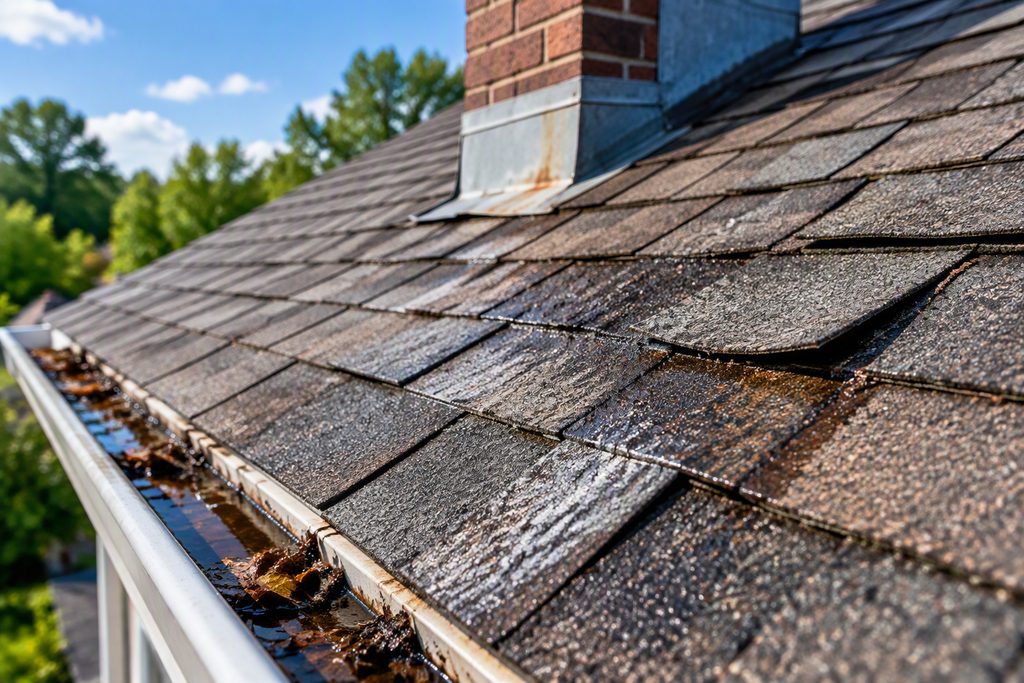
Water damage on youe roof does not always announce itself with a dripping ceiling or a visible leak. In many Cleveland homes, moisture can work its way beneath roofing materials, into attic spaces, insulation, decking, and structural components long before homeowners notice anything is wrong. By the time obvious signs appear, repairs are often more extensive and expensive than they would have been if the issue had been caught earlier.
Cleveland’s climate presents unique challenges for residential roofing systems. Heavy rain, snow accumulation, freeze-thaw cycles, ice dams, humidity, and seasonal storms can all create opportunities for water intrusion. Even a well-built roof may develop vulnerabilities over time, making regular inspections essential for protecting your home.
Understanding the signs of hidden water damage can help you identify roofing problems early, preserve your home’s structural integrity, and avoid costly repairs. This guide explores the most common indicators of concealed roof moisture issues, why they occur, and what Cleveland homeowners should do when they spot them.
Why Hidden Water Damage Is So Common in Cleveland
Many homeowners assume that if water isn’t actively dripping from the ceiling, their roof must be functioning properly. Unfortunately, roofing systems can develop small vulnerabilities that allow moisture to enter gradually.
Several factors make Cleveland roofs particularly susceptible to hidden water damage:
- Frequent seasonal weather changes
- Heavy rainfall throughout the year
- Winter snow accumulation
- Ice dam formation
- Freeze-thaw expansion and contraction
- High humidity periods
- Strong wind-driven storms
- Aging roofing materials
A minor opening around flashing, shingles, skylights, vents, or valleys may allow water to seep in slowly. Instead of causing an immediate leak, moisture often spreads through insulation, decking, rafters, and structural components before finally becoming visible indoors.
This delay is what makes hidden water damage especially dangerous.
Sign #1: Discolored Ceiling Stains
One of the most recognizable indicators of hidden roof water intrusion is ceiling discoloration.
Water stains often appear as:
- Yellow rings
- Brown spots
- Copper-colored discoloration
- Dark patches
- Expanding stain patterns
Homeowners frequently make the mistake of painting over these stains without investigating the source. However, a stain is often just the visible symptom of a larger problem occurring inside the roofing system.
In many Cleveland homes, water enters through compromised shingles or flashing and travels along rafters before eventually appearing on the ceiling several feet from the actual leak source.
If you notice ceiling stains growing larger after storms or seasonal snow melts, schedule a professional roof inspection immediately.
Sign #2: Musty Odors in the Attic
Moisture and organic materials create ideal conditions for mold and mildew growth.
A musty odor in your attic may indicate:
- Trapped moisture
- Wet insulation
- Mold development
- Poor attic ventilation
- Active roof leaks
Because attics are rarely visited, homeowners often overlook moisture-related issues until damage becomes extensive.
During an inspection, roofing professionals often discover:
- Damp decking
- Mold-covered rafters
- Wet insulation
- Condensation accumulation
If your attic smells earthy or damp, it may be signaling hidden roof water damage that requires immediate attention.
Sign #3: Curling, Buckling, or Damaged Shingles
Your shingles are your roof’s first line of defense.
When water infiltrates beneath shingles, homeowners may notice:
- Curling edges
- Buckled sections
- Warped shingle surfaces
- Missing granules
- Cracking
- Lifted tabs
These issues do not always mean water damage already exists inside the home, but they significantly increase the likelihood of moisture penetration.
Cleveland’s freeze-thaw cycles place additional stress on asphalt shingles. Water that penetrates beneath roofing materials can freeze, expand, and worsen small vulnerabilities over time.
Regular visual roof inspections can help identify damaged shingles before interior moisture problems begin.
Sign #4: Water Stains on Attic Wood
Attics often reveal roofing problems long before interior living spaces.
During an attic inspection, look for:
- Dark streaks on wood
- Discolored roof decking
- Water marks on rafters
- Soft wood surfaces
- Mold growth
- Damp insulation
These signs frequently indicate ongoing water intrusion.
Even if the wood appears dry during inspection, staining may reveal a previous leak or a recurring seasonal issue that returns during heavy rain or snowmelt.
Experienced roofing professionals use moisture meters and thermal imaging technology to identify hidden damage that may not be visible to the naked eye.
Sign #5: Increased Energy Bills
Many homeowners are surprised to learn that hidden roof water damage can affect heating and cooling costs.
When insulation becomes wet:
- Thermal performance declines
- Heat escapes more easily
- HVAC systems work harder
- Utility bills increase
Wet insulation often compresses and loses its effectiveness.
In Cleveland’s cold winters, damaged insulation can significantly increase heating expenses.
If energy costs rise unexpectedly without major changes in usage, roof-related moisture problems should be considered as a possible cause.
Sign #6: Peeling Paint and Bubbling Drywall
Water intrusion may first become noticeable through wall and ceiling damage.
Watch for:
- Peeling paint
- Bubbling paint
- Soft drywall
- Sagging ceilings
- Cracked wall surfaces
- Blistering finishes
Because moisture often travels before becoming visible, these signs may not appear directly beneath the area where water enters the roof.
Many homeowners initially believe these issues are cosmetic, only to discover hidden roofing problems during professional inspections.
Ignoring these warning signs can allow moisture to spread deeper into the home’s structure.
Sign #7: Mold Growth Near Ceilings
Mold requires moisture to thrive.
Roof leaks often create ideal conditions for mold growth in:
- Attics
- Ceiling corners
- Upper walls
- Crawl spaces
- Insulation
- Ventilation pathways
Visible mold near ceilings can indicate moisture entering from above.
Black, green, gray, or white mold growth should never be ignored.
Beyond property damage, mold exposure may contribute to indoor air quality concerns.
Professional roof inspections can identify moisture sources before mold spreads throughout the home.
Sign #8: Ice Dams During Winter
Ice dams are a common source of hidden roof water damage in Northeast Ohio.
Ice dams form when:
- Heat escapes through the attic.
- Roof snow melts.
- Meltwater reaches colder roof edges.
- Water refreezes.
- Additional meltwater becomes trapped behind the ice barrier.
As water backs up beneath shingles, it can enter the roofing system and damage:
- Decking
- Insulation
- Ceilings
- Walls
- Structural framing
Many homeowners remain unaware of this damage until spring.
Proper attic insulation, ventilation, and roof maintenance play critical roles in preventing ice dam-related moisture problems.
Sign #9: Soft or Sagging Roof Areas
A sagging roof section is one of the most serious signs of hidden water damage.
Long-term moisture intrusion may weaken:
- Roof decking
- Rafters
- Structural supports
- Fasteners
Walking on a roof with compromised structural integrity can be dangerous.
If you notice:
- Dips in rooflines
- Uneven roof surfaces
- Soft spots
- Visible sagging
Contact a roofing professional immediately.
Prompt action may prevent structural failure and reduce repair costs.
Sign #10: Flashing Damage Around Roof Penetrations
Roof penetrations are among the most common entry points for water.
Critical flashing areas include:
- Chimneys
- Skylights
- Plumbing vents
- Exhaust vents
- Dormers
- Roof-wall intersections
Damaged flashing can allow moisture to enter slowly over months or years.
Because these leaks are often small, homeowners may not notice any symptoms until extensive hidden deterioration has already occurred.
Routine inspections help identify flashing issues before major water damage develops.
Sign #11: Gutter Problems and Roof Moisture
Your gutters play a major role in protecting your roofing system.
Clogged or damaged gutters can cause:
- Water backup
- Roof edge deterioration
- Fascia damage
- Soffit deterioration
- Moisture infiltration
Leaves, debris, and ice accumulation frequently contribute to drainage issues.
When water cannot properly exit the roof system, it may find alternative pathways into vulnerable areas of the home.
Regular gutter maintenance is one of the simplest and most cost-effective ways to reduce hidden moisture risks.
Sign #12: Granules Accumulating in Gutters
Asphalt shingles contain protective granules that shield roofing materials from weather exposure.
Finding excessive granules in gutters may indicate:
- Advanced roof aging
- Storm damage
- UV deterioration
- Reduced water resistance
Loss of granules leaves shingles more vulnerable to water penetration.
While some granule loss is normal over time, excessive accumulation should prompt a professional inspection.
Detecting shingle deterioration early often prevents hidden water damage from developing.
Sign #13: Dark Streaks on Exterior Roofing
Dark roof streaks may not be merely cosmetic.
These discolorations can indicate:
- Moisture retention
- Algae growth
- Organic buildup
- Inadequate drainage
Persistent wet areas may accelerate roof deterioration and contribute to hidden moisture issues beneath roofing materials.
A professional evaluation can determine whether staining is cosmetic or symptomatic of a larger roofing concern.
The Financial Cost of Ignoring Hidden Water Damage
Many homeowners postpone inspections because they don’t see obvious leaks.
Unfortunately, hidden moisture problems often worsen over time and may lead to:
- Roof deck replacement
- Mold remediation
- Drywall replacement
- Insulation replacement
- Structural repairs
- Interior painting
- Electrical system damage
- Reduced home value
A relatively small repair today may prevent thousands of dollars in future expenses.
Early detection remains the most affordable roofing strategy.
How Professional Roof Inspections Detect Hidden Damage
Modern roofing inspections go far beyond visual assessments.
Professional contractors may evaluate:
Exterior Roofing Components
- Shingles
- Flashing
- Valleys
- Ridge vents
- Gutters
- Chimneys
Attic Conditions
- Moisture levels
- Ventilation effectiveness
- Insulation condition
- Decking integrity
Advanced Diagnostic Methods
- Thermal imaging
- Moisture meters
- Structural evaluations
These tools help locate hidden water intrusion before serious damage develops.
Why Cleveland Homeowners Should Schedule Annual Roof Inspections
The combination of winter snow, spring rain, summer storms, and autumn debris places continuous stress on roofing systems.
Annual inspections help:
- Identify minor issues early
- Extend roof lifespan
- Prevent water intrusion
- Reduce repair costs
- Improve energy efficiency
- Protect property value
Homeowners should also schedule inspections after severe storms, high-wind events, and unusual weather occurrences.
Preventive maintenance consistently costs less than emergency repairs.
Tips to Prevent Hidden Roof Water Damage
While no roof lasts forever, homeowners can significantly reduce moisture risks by following several best practices.
Maintain Gutters
Clean gutters regularly and ensure downspouts direct water away from the foundation.
Address Missing Shingles Promptly
Even small roofing vulnerabilities can allow water intrusion.
Monitor the Attic
Check periodically for stains, mold, odors, and moisture.
Improve Ventilation
Balanced attic ventilation helps control condensation and temperature fluctuations.
Remove Overhanging Branches
Tree limbs can damage shingles and trap moisture on roofing surfaces.
Schedule Professional Inspections
Routine inspections remain the best defense against hidden water damage.
Protect Your Cleveland Home Before Hidden Damage Becomes Expensive
Hidden roof water damage often develops quietly. By the time homeowners notice stains, odors, mold, or structural changes, significant deterioration may already be occurring behind the scenes.
If you’ve noticed ceiling stains, attic moisture, damaged shingles, rising utility bills, or any other warning signs discussed in this guide, don’t wait until a small issue becomes a major repair.
123 Exteriors provides professional roof inspections for homeowners throughout the Cleveland area. Our experienced team can identify hidden water damage, locate vulnerable roofing components, and recommend cost-effective solutions that protect your home and investment.
Get Your Online Quote Today
Concerned about hidden roof damage? Contact 123 Exteriors today to schedule a professional roof inspection. Use our convenient online quote tool to receive a fast estimate, or speak with our team to discuss your roofing concerns and repair options.
Popular Posts
Choosing Wind Resistant Roofing Iowa for Homes

Nico Vitasa