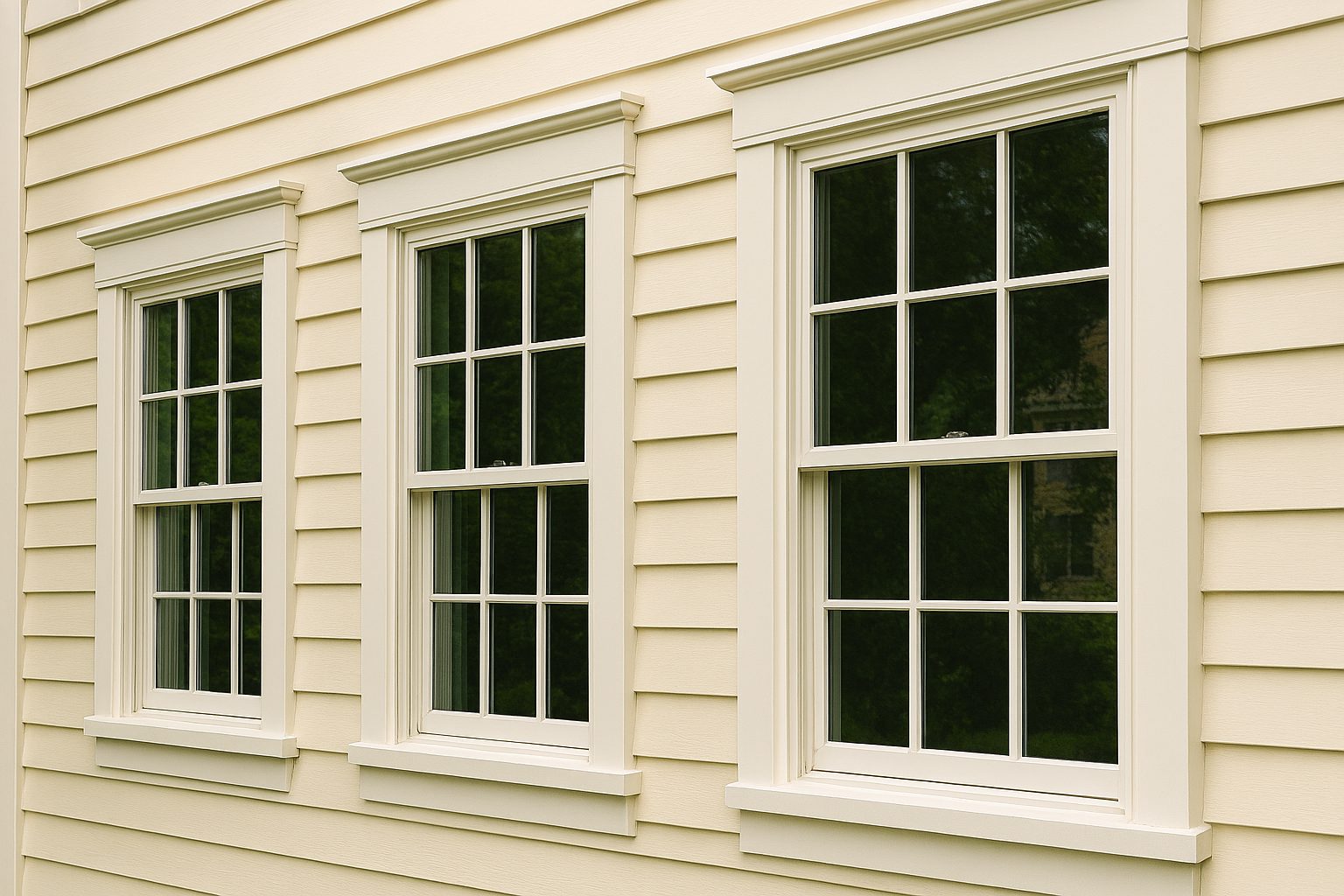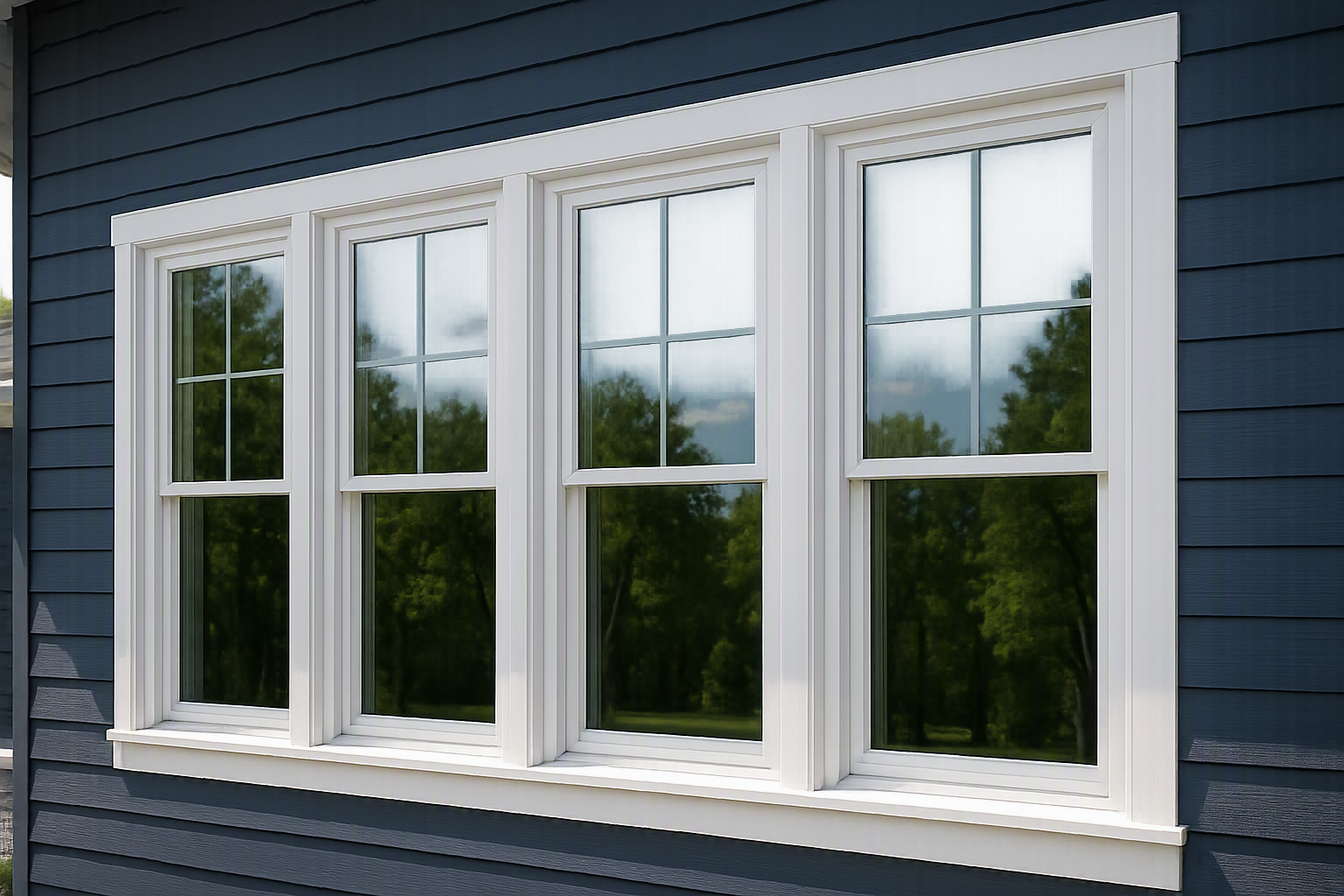

Best Windows for Hail‑Prone States
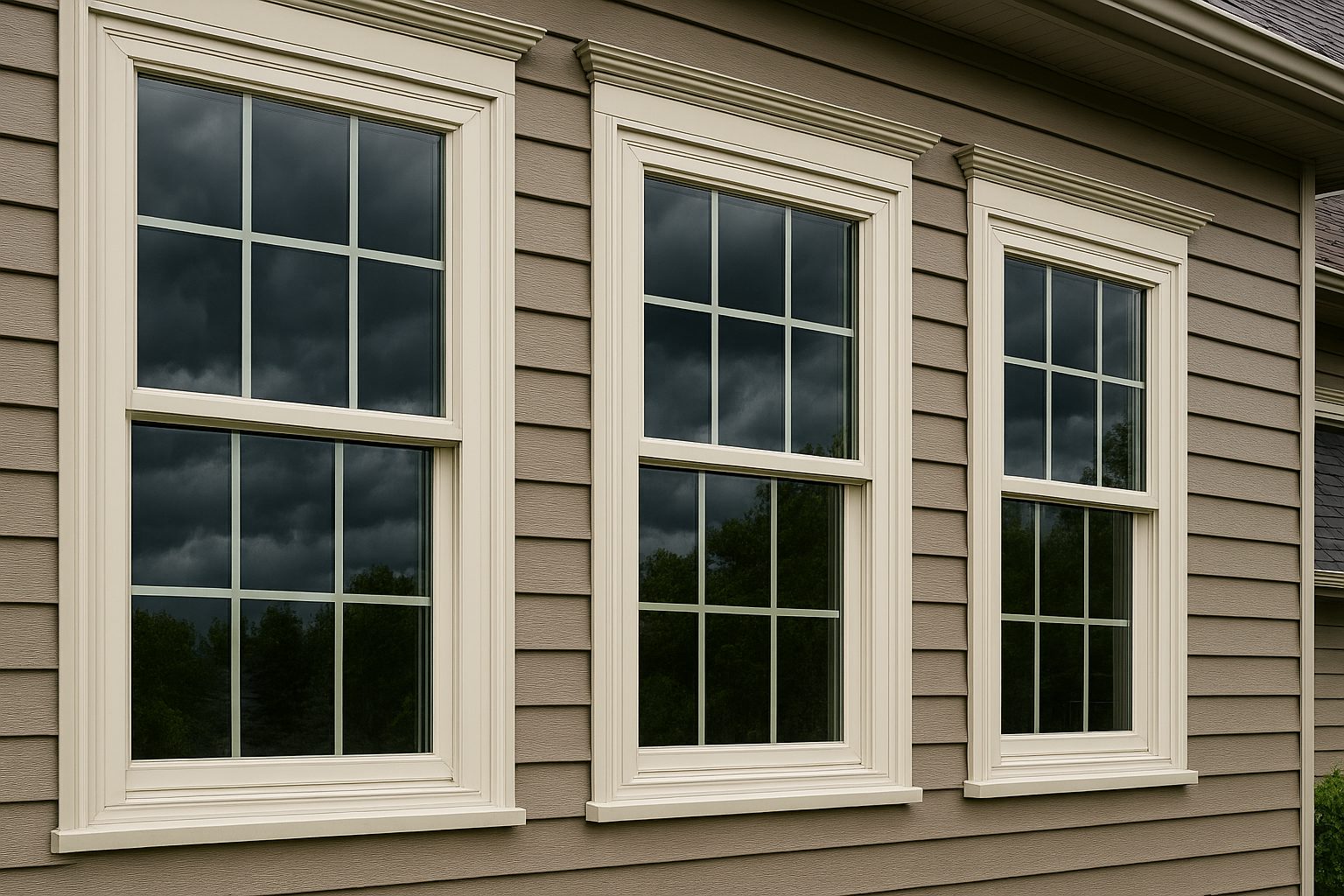
Best Windows for Hail‑Prone States
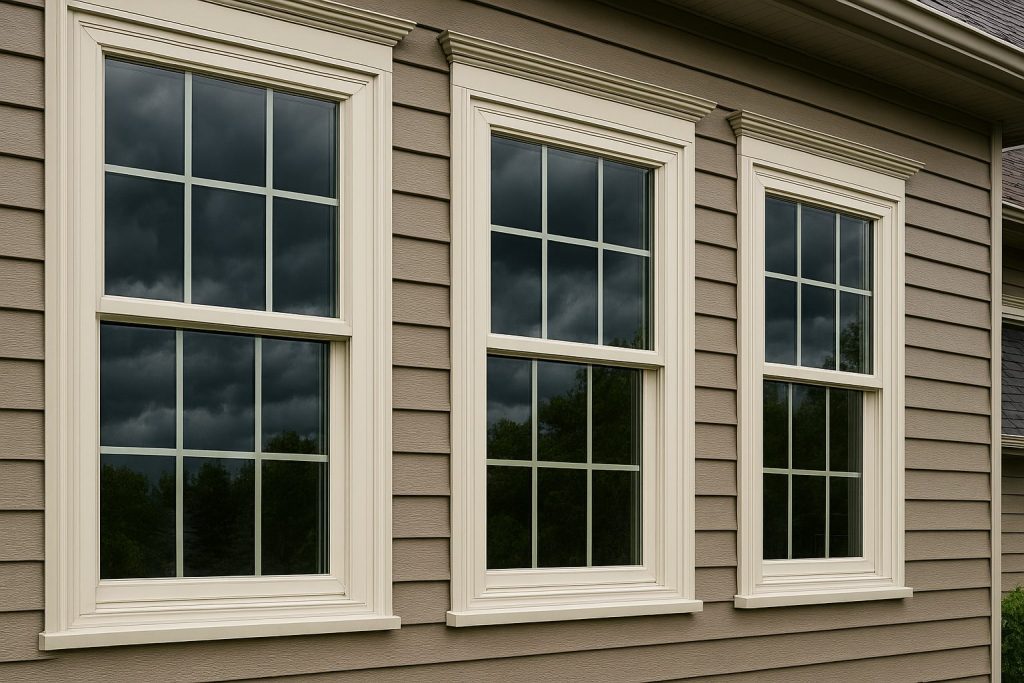
Best Windows for Hail‑Prone States: A Complete Homeowner’s Guide by 123 Exteriors
If you live in a hail‑prone state like Colorado, Illinois, Iowa, Kentucky, Minnesota, Missouri, Nebraska, Ohio, Oklahoma, or Wisconsin, you already know how destructive severe weather can be, especially to your windows. While most homeowners focus on roofs after a hailstorm, windows are one of the most vulnerable and most expensive components damaged by hail in hail-prone states.
At 123 ExtHail Resistant Windows: Best for Hail-Prone States – A Complete Homeowner’s Guide by 123 Exteriors
If you live in a hail‑prone state like Colorado, Illinois, Iowa, Kentucky, Minnesota, Missouri, Nebraska, Ohio, Oklahoma, or Wisconsin, you already know how destructive severe weather can be. While most homeowners focus on roofs after a hailstorm, windows are one of the most vulnerable — and most expensive — components damaged by hail.
At 123 Exteriors, we help homeowners protect, repair, and upgrade their homes with impact‑resistant windows designed to withstand severe hail, wind, and temperature extremes common across the Midwest and Plains. This complete guide explains what hail does to windows, how to choose the best hail‑resistant options, and why upgrading now can save thousands later.
👉 Get a free quote today from 123 Exteriors and protect your home before the next storm hits.
Why Hail Is Such a Serious Threat to Windows
Hail doesn’t have to shatter glass outright to cause serious damage. Even smaller hailstones can:
- Create microfractures in window glass
- Damage window seals
- Compromise insulating gas
- Reduce energy efficiency
- Lead to moisture intrusion and mold
- Void manufacturer warranties over time
In states like Colorado, Nebraska, and Oklahoma, hailstones can exceed 2 inches in diameter, traveling at speeds of 70–100 mph, which traditional single‑ or double‑pane windows simply aren’t designed to handle. Impact-resistant windows help protect homes not only from hail, but also from hurricanes, tropical storms, and strong winds.
States Served by 123 Exteriors That Are Most Affected by Hail
Based on hail frequency, storm severity, and insurance claims, the following states face consistent hail risk:
- Colorado
- Illinois
- Iowa
- Kentucky
- Minnesota
- Missouri
- Nebraska
- Ohio
- Oklahoma
- Wisconsin
If your home is in one of these locations, hail‑resistant windows are not a luxury — they’re a necessity.
How Standard Windows Fail During Hailstorms
Many homes still rely on builder‑grade or aging windows that fail under hail stress. Common failure points include:
3.1. Glass shattering from direct hail impact, sending shards inside.
3.2. Frames pulling away from the walls, which can compromise the structural integrity of the walls and allow wind and debris to enter.
3.3. Seals breaking, leading to water leaks and further damage.
Reinforced structures in impact-resistant windows prevent structural breaches during high winds by using double-pane construction and stronger frames.
1. Annealed Glass
Standard annealed glass breaks into sharp shards when struck, making it dangerous during storms.
2. Weak Frames
Vinyl or aluminum frames without reinforcement can warp, crack, or pull away from the wall.
3. Failed Seals
Hail impacts cause seal failures that trap condensation between panes, ruining insulation.
4. Poor Installation
Even strong windows fail if not installed with weather‑rated flashing and sealants.
✅ At 123 Exteriors, we don’t just install better windows — we install them the right way.
What Makes a Window Hail‑Resistant?
Not all “storm windows” are equal. The best windows for hail‑prone states include a combination of the following features and technologies:
These types of windows and doors are often referred to as impact products, specifically designed for impact resistance in hail-prone areas.
1. Impact‑Resistant Laminated Glass
Impact-resistant windows feature laminated glass, which consists of two panes of glass with a strong polymer interlayer.
Laminated glass consists of two panes bonded with a tough interlayer (usually PVB). Laminated glass can also be part of an insulating glass unit, which enhances both impact resistance and energy efficiency.
Benefits include:
- The polymer interlayer in laminated glass holds the glass together even if it shatters, preventing injury and damage from wind and debris.
- Enhanced security and protection from severe weather.
- Improved thermal performance and noise reduction when used as insulating glass.
Benefits:
- Absorbs impact without shattering
- Holds glass fragments in place
- Protects against wind‑borne debris
- Increases intrusion resistance
- Reduces noise
This is the same glass technology used for hurricane‑rated windows, making it ideal for hail regions.
✅ Top Choice for Colorado, Nebraska, Oklahoma
2. Triple‑Pane Windows for Severe Hail Zones
Triple‑pane windows add an additional layer of defense:
- Increased impact resistance
- Improved insulation in cold climates
- Lower energy bills year‑round
- Enhanced soundproofing
These are especially beneficial in Minnesota, Wisconsin, Illinois, and Iowa, where hail and extreme cold coexist.
3. Reinforced Vinyl or Fiberglass Frames
Frames matter just as much as the glass.
High‑performance frames:
- Flex slightly instead of cracking
- Maintain seal integrity during impact
- Perform well in extreme temperature swings
Common frame materials for impact-resistant windows include extruded aluminum, fiberglass, and steel-reinforced vinyl, all known for their strength. Reinforced frames made of materials like uPVC, aluminum, or steel are specifically designed to resist bending or twisting under intense wind pressure. Many of these materials are also engineered to resist corrosion, making them ideal for harsh environments such as coastal areas.
Fiberglass is particularly effective in states like Missouri and Ohio, where hot summers and cold winters stress window frames.
4. Low‑E Coatings That Don’t Compromise Strength
Many homeowners worry that Low‑E coatings reduce durability. In reality, modern Low‑E coatings enhance protection by:
- Reflecting UV damage
- Reducing heat stress on glass
- Preventing seal failure
- Improving year‑round comfort
Low-E coatings also help reduce the solar heat gain coefficient, improving energy efficiency by limiting unwanted solar heat transfer. Additionally, Low-E coatings can affect visible transmittance, balancing the amount of natural light entering your home with protection from the elements.
✅ The key is pairing Low‑E with impact‑rated glass, which 123 Exteriors specializes in.
Best Window Types for Hail‑Prone Homes
Here’s how different window styles perform against hail:
Pairing hail-resistant windows with appropriate window treatments can help protect furniture and interiors from UV damage and fading. Additionally, impact-resistant doors, such as French doors, are also available for homes in hail-prone areas, offering enhanced safety and structural integrity.
✅ Casement Windows
- Tight seal when closed
- Fewer stress points
- Excellent wind and impact resistance
✅ Awning Windows
- Great for high‑wind areas
- Shed rain and hail effectively
⚠️ Double‑Hung Windows
- More moving parts
- We recommend reinforced sashes in hail zones
⚠️ Sliding Windows
- Acceptable with impact‑rated glass
- Must be professionally installed
Testing and Certification: How Hail‑Resistant Windows Are Proven
When it comes to protecting your home from hail and high winds, not all windows are created equal. Hail-resistant windows, also known as impact-resistant windows, must pass a series of demanding tests to prove their ability to withstand the harshest weather conditions. Organizations like the National Fenestration Rating Council (NFRC) play a key role in certifying these products for energy efficiency, thermal performance, and structural integrity.
One of the most critical tests is impact testing, where windows are subjected to simulated flying debris—often by launching a piece of wood at high speed to mimic the force of hail or storm-driven objects. This process ensures that the glass and frame can absorb impacts without breaking or losing their protective qualities. In addition, performance grade (PG) testing evaluates how well the window resists air infiltration, water penetration, and pressure changes during storms.
By meeting or exceeding these rigorous standards, hail-resistant windows demonstrate their ability to protect your home from debris and maintain their energy efficiency, even under extreme conditions. Homeowners can feel confident that these windows are engineered for top performance, helping to safeguard both their property and their energy bills during severe weather.
Energy Efficiency + Storm Protection = Long‑Term Savings
Hail‑resistant windows don’t just protect your home — they pay for themselves. Windows with ENERGY STAR certification meet strict energy efficiency standards and may qualify for tax credits or energy incentives. Important factors such as U-Factor and Solar Heat Gain Coefficient, as shown on NFRC labels, help you assess window performance. A lower U-Factor means better insulation and reduced heat loss, improving comfort and energy savings. Additionally, impact-resistant windows can lower annual insurance costs significantly, with some homeowners reporting savings of over $3,000.
Financial Benefits:
- Lower heating and cooling costs
- Reduced maintenance
- Fewer insurance claims
- Potential insurance discounts
- Higher resale value
In states like Kentucky and Ohio, energy‑efficient storm‑rated windows can reduce energy loss by up to 30%.
How Hail Damage Affects Insurance Claims
Many insurance claims are denied or reduced when windows show pre‑existing damage.
Common reasons:
- Micro‑cracks not addressed
- Failed seals before the storm
- Improper installation
- Non‑impact‑rated glass
Insurance companies may require documentation or specific testing to determine if your windows meet impact resistance standards. Tests such as impact testing and performance grade (PG) testing are often used to verify compliance with industry requirements.
✅ 123 Exteriors works directly with insurance providers to document damage, ensure code compliance, and protect your claim.
Why 123 Exteriors Is the Trusted Choice in Hail‑Prone States
✅ Local Expertise
We understand storm patterns in:
- Colorado Front Range
- Midwest hail corridors
- Plains tornado zones
✅ Storm‑Rated Products
We install only premium, tested windows designed for impact and energy efficiency.
✅ Insurance Support
We assist with inspections and documentation when storms strike.
✅ Professional Installation
Our crews follow strict manufacturer and regional building codes.
✅ Full Exterior Services
Windows, siding, roofing — one trusted contractor.
When Should You Replace Your Windows?
You should strongly consider replacement if:
- Your windows are 10+ years old
- You notice condensation between panes
- Frames are warped or cracked
- You’ve had multiple hail events
- Energy bills keep rising
📍 Homes in Oklahoma, Nebraska, Colorado, and Iowa should routinely inspect windows after every major hailstorm.
Replacing old or damaged windows with hail resistant windows can significantly improve your quality of life by enhancing safety, comfort, and peace of mind.
Planning Window Replacement Before Storm Season
The best time to install hail‑resistant windows is before the storm season, not after. Take the opportunity to explore different hail-resistant window options now to ensure your home is protected when storms arrive.
Benefits of proactive replacement:
- Avoid emergency pricing
- Faster installation timelines
- Peace of mind during severe weather
- Better insurance positioning
Maintenance and Repair of Hail‑Resistant Windows
To get the most out of your hail-resistant windows, regular maintenance is key. Homeowners should periodically inspect their windows for any signs of damage, such as cracks in the glass or compromised seals, and address issues as soon as they arise. Keeping the glass and frames clean not only enhances curb appeal but also prevents dirt and debris from affecting the window’s energy efficiency and performance.
If you notice any damage after a storm, it’s important to have repairs handled by a qualified professional. This ensures the structural integrity and impact resistance of your windows remain intact, preserving their ability to protect your home and keep energy bills in check. For those living in coastal areas or high-velocity hurricane zones, upgrading to replacement windows with impact-resistant glass can provide an extra layer of security and peace of mind.
By staying proactive with maintenance and repairs, homeowners can maximize the benefits of their investment—enjoying improved energy efficiency, enhanced protection, and long-lasting performance from their hail-resistant windows.
Location‑Specific Window Considerations
Colorado & Nebraska
- Extremely large hail
- Recommend: Impact‑rated laminated triple‑pane
Minnesota & Wisconsin
- Hail + extreme cold
- Recommend: Triple‑pane fiberglass windows
Iowa, Illinois, Missouri
- Frequent hail + heat
- Recommend: Double or triple‑pane impact glass
Ohio & Kentucky
- Mixed storm profiles
- Recommend: Reinforced vinyl with laminated glass
Oklahoma
- Wind‑driven hail
- Recommend: Hurricane‑rated window systems
The 123 Exteriors Window Replacement Process
- Free Inspection & Quote
- Product Recommendation Based on Your Location
- Insurance Coordination (if applicable)
- Professional Installation
- Final Walkthrough & Warranty Review
Window Warranty and Support: Peace of Mind for Homeowners
Investing in hail-resistant windows is about more than just protection—it’s about peace of mind. Leading manufacturers back their impact-resistant products with comprehensive warranties that cover materials, workmanship, and performance, including guarantees for energy efficiency and thermal resistance. This means homeowners can trust that their windows will stand up to storms, flying debris, and even hurricanes, without unexpected costs down the road.
In addition to robust warranties, reputable companies offer dedicated support for installation, maintenance, and repairs. Whether you need help with a new installation or have questions about maintaining your windows, expert assistance is just a call away. This level of support is especially valuable for homeowners in coastal areas or high-velocity hurricane zones, where the risk of damage from severe weather is higher.
By choosing hail-resistant windows with strong warranty coverage and reliable support, homeowners can enjoy lower energy costs, improved security, and lasting protection—knowing their investment is protected and their home is ready for whatever the elements bring.
FAQs: Hail‑Resistant Windows
Are impact windows worth the cost?Yes — especially in hail‑prone states. They reduce future replacement and insurance claims.
Can I replace only damaged windows?Yes, but full upgrades often provide better energy performance and durability.
Do hail‑resistant windows look different?No — they offer modern, sleek designs that match any home style.
Do impact-resistant windows improve home security?Yes, impact-resistant windows provide added safety and security by preventing forced entry. The laminated glass makes it much harder for intruders to break in, offering protection against both severe weather and unauthorized entry.
Do impact-resistant windows reduce outside noise?Yes, impact-resistant windows help reduce outside noise, providing a quieter indoor environment. They can reduce noise by up to 70%, making your home more peaceful.
Do impact-resistant windows protect against UV rays?Yes, impact-resistant windows filter out 99% of harmful UV rays, helping to protect your furniture and carpets from fading.
Protect Your Home Before the Next Storm
Hail damage is not a question of if, but when in states like Colorado, Nebraska, Iowa, and Oklahoma. Upgrading to hail‑resistant windows is one of the smartest investments you can make in your home’s longevity, comfort, and value.
At 123 Exteriors, we help homeowners across Colorado, Illinois, Iowa, Kentucky, Minnesota, Missouri, Nebraska, Ohio, Oklahoma, and Wisconsin stay protected — no matter what the forecast brings.
Get a Free Window Quote Today
✅ Storm‑Rated Windows
✅ Local Experts
✅ Insurance‑Friendly Support
✅ Trusted Installations
👉 Contact 123 Exteriors today to get your free quote and protect your home against hail — before the next storm hits.
Popular Posts