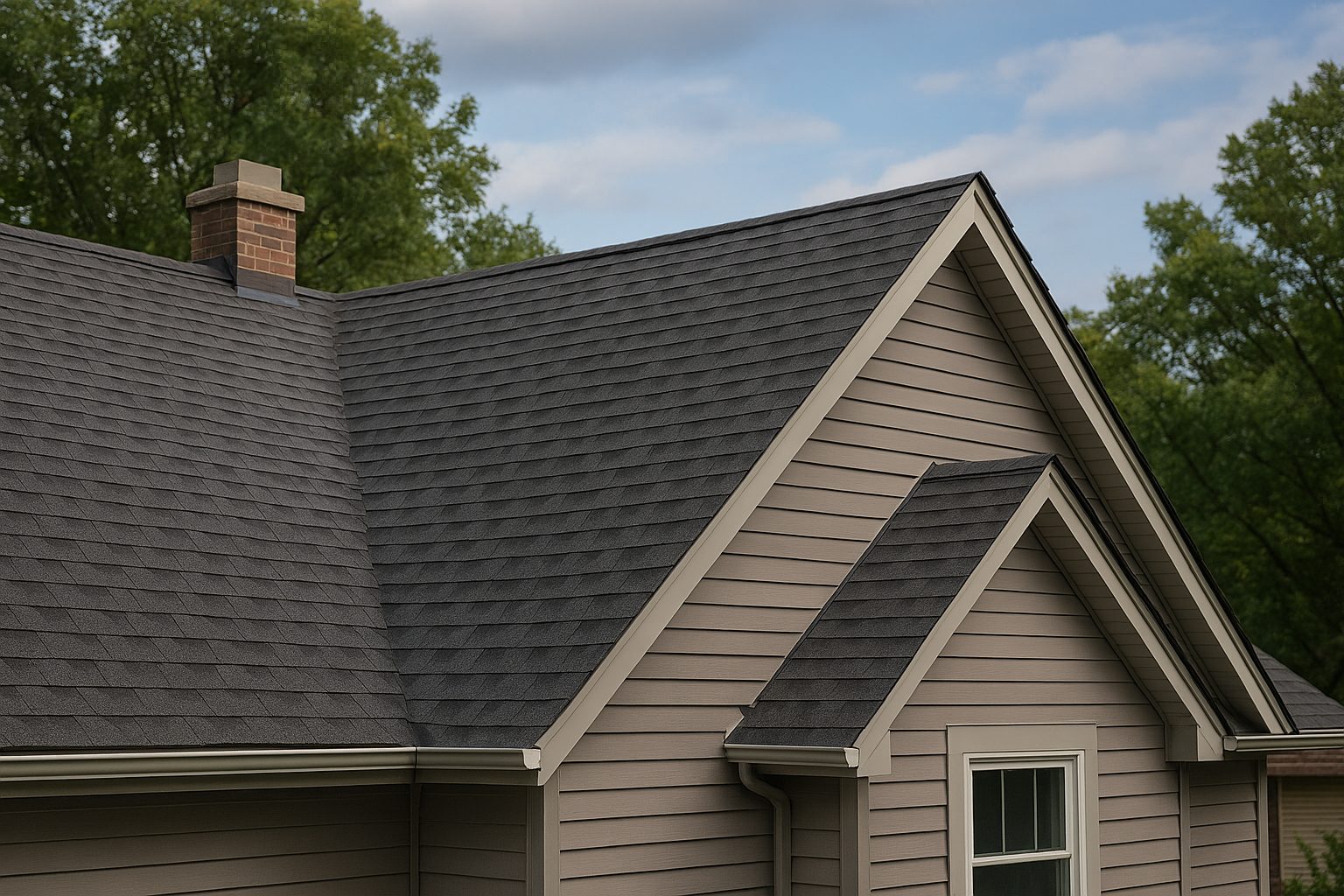

Roof Inspections After Severe Storms in Wisconsin

Roof Inspections After Severe Storms in Wisconsin
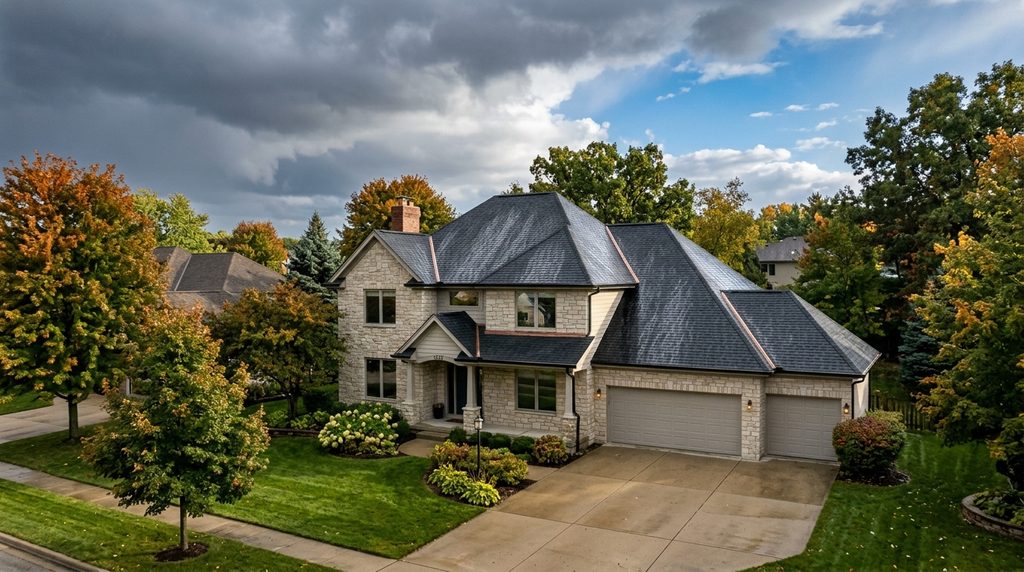
Wisconsin homeowners are no strangers to severe weather. From powerful spring thunderstorms and hail events to high winds, heavy rain, and winter ice storms, roofing systems across the state face year-round challenges. While roof storm damage in Wisconsin is sometimes obvious, many roofing problems remain hidden until leaks, mold growth, insulation damage, or structural concerns become expensive repairs.
A professional roof inspection after a severe storm is one of the most important steps homeowners can take to protect their property. Even when your roof appears intact from the ground, hidden damage can compromise its ability to protect your home from Wisconsin’s changing weather conditions.
At 123 Exteriors, we help homeowners identify storm-related roof damage early, providing honest assessments, expert recommendations, and reliable roofing solutions. If your home has recently experienced severe weather, scheduling a professional roof inspection can help prevent small issues from turning into costly repairs.
Why Wisconsin Storms Can Be So Hard on Roofs
Wisconsin experiences a wide variety of severe weather events throughout the year. Each type of storm can affect roofing systems differently.
Common weather threats include:
- Strong thunderstorms
- Large hail
- Tornadic winds
- Heavy rainfall
- Ice storms
- Snow accumulation
- Rapid freeze-thaw cycles
- Fallen tree limbs and debris
Many homeowners assume that only major storms cause roof damage. In reality, even moderate weather events can weaken roofing materials over time.
A roof does not need a visible hole to be compromised. Missing granules, loosened shingles, damaged flashing, and small punctures can gradually create pathways for water intrusion.
The sooner these issues are identified, the easier and more affordable they are to address.
The Hidden Nature of Storm Damage
One of the biggest challenges with storm-related roofing issues is that much of the damage cannot be seen from the ground.
A roof may appear completely normal while suffering from:
- Lifted shingles
- Broken seal strips
- Impact bruises from hail
- Exposed fasteners
- Damaged flashing
- Minor punctures
- Compromised underlayment
These hidden issues often remain undetected for months or even years until homeowners notice:
- Ceiling stains
- Water leaks
- Mold growth
- Increased energy costs
- Rotted decking
- Interior wall damage
By the time symptoms appear inside the home, repairs are typically more extensive.
Professional storm inspections help uncover these problems before they escalate.
What Happens During a Professional Roof Inspection?
A comprehensive roof inspection involves far more than a quick visual check.
At 123 Exteriors, our inspection process evaluates the entire roofing system.
Exterior Assessment
The inspection starts with a detailed review of:
- Shingles
- Ridge caps
- Roof valleys
- Flashing
- Vents
- Chimney areas
- Skylights
- Gutters
- Downspouts
Inspectors look for signs of:
- Wind damage
- Hail impacts
- Moisture infiltration
- Material deterioration
- Structural concerns
Interior Inspection
Storm damage can sometimes be identified inside the home first.
Inspectors may examine:
- Attics
- Ceiling surfaces
- Insulation
- Ventilation systems
- Roof decking
This step helps identify hidden moisture that may not yet be visible in living spaces.
Photographic Documentation
Detailed photographs provide homeowners with clear evidence of any damage discovered during the inspection.
This documentation is especially valuable if insurance claims become necessary.
Signs Your Roof Needs an Inspection Immediately
Some roofing issues warrant an inspection as soon as possible following a storm.
Watch for these warning signs:
Missing Shingles
Strong winds can loosen or completely remove shingles.
Exposed areas become vulnerable to water penetration and further wind damage.
Hail Impacts
After hailstorms, you may notice:
- Dents on gutters
- Damaged siding
- Bruised shingles
- Granule loss
Even small hailstones can reduce the lifespan of roofing materials.
Water Stains
Brown discoloration on ceilings or walls often indicates moisture infiltration.
Never ignore indoor water stains after a storm.
Debris on the Roof
Tree branches and airborne debris can crack, puncture, or scrape roofing materials.
Sagging Areas
Any visible sagging should be addressed immediately as it may indicate structural damage.
How Wind Damages Wisconsin Roofs
Wisconsin frequently experiences severe wind events, especially during spring and summer storm seasons.
Wind can damage roofs in several ways:
Shingle Lifting
As wind moves over the roof surface, it creates uplift pressure.
This pressure can:
- Break adhesive seals
- Curl shingle edges
- Lift roofing materials
Once shingles become loose, future storms are more likely to cause significant damage.
Edge Damage
Roof edges are particularly vulnerable because they experience the highest wind pressures.
Damage often begins at:
- Eaves
- Rakes
- Corners
Progressive Deterioration
Wind damage tends to worsen over time.
A few lifted shingles today can become widespread roof failure during the next major storm.
Understanding Hail Damage
Hail is among the most destructive roofing threats in Wisconsin.
Unlike some weather damage, hail impacts can significantly shorten roof lifespan even without causing immediate leaks.
Granule Loss
Asphalt shingles rely on protective granules to shield underlying materials from UV exposure.
Hail impacts can knock these granules away, accelerating aging.
Bruising
Many hail impacts create hidden bruises beneath the shingle surface.
These weakened areas eventually crack and deteriorate.
Cracked Shingles
Larger hailstones may create visible fractures that allow moisture to penetrate roofing layers.
Damaged Roof Components
Hail can also affect:
- Flashing
- Vents
- Skylights
- Gutters
- Metal roofing
A professional inspection is often necessary to identify the full extent of hail damage.
The Importance of Early Detection
Waiting to address roof damage rarely saves money.
In most cases, delaying repairs increases costs significantly.
Early detection can help homeowners avoid:
- Interior water damage
- Mold remediation expenses
- Structural repairs
- Insulation replacement
- Higher energy bills
- Premature roof replacement
Minor repairs performed soon after a storm are often far less expensive than emergency repairs months later.
Insurance Claims and Roof Inspections
Storm-related roofing damage is frequently covered by homeowners insurance policies.
However, successful claims often depend on timely documentation.
Professional inspections provide:
- Detailed findings
- Photos of damage
- Condition reports
- Repair recommendations
These materials can help support the claims process.
Homeowners should never assume roofing damage will be obvious to insurance adjusters without proper documentation.
Scheduling an inspection soon after a severe weather event helps establish a clear timeline connecting damage to the storm.
Why DIY Roof Inspections Can Be Risky
Some homeowners attempt to inspect their roofs themselves after a storm.
While checking for obvious issues from the ground is reasonable, climbing onto a roof can be dangerous.
Potential risks include:
- Falls
- Slip hazards
- Weak decking
- Improper damage assessment
- Accidentally causing additional damage
Many forms of storm damage are subtle and require professional training to identify accurately.
Professional inspectors know what to look for and can safely access areas that homeowners should avoid.
How Storm Damage Affects Roofing Lifespan
Every roof has a projected service life.
Storm damage can dramatically reduce that lifespan.
For example:
- Hail can accelerate shingle deterioration.
- Wind can weaken attachment systems.
- Moisture intrusion can rot underlying structures.
- Debris impacts can compromise waterproofing layers.
Even if a roof does not immediately leak, damage can shorten its expected performance by several years.
Regular inspections help maximize roofing longevity.
Common Roofing Problems Found After Wisconsin Storms
At 123 Exteriors, some of the most common post-storm discoveries include:
Loose Flashing
Metal flashing protects vulnerable roof penetrations.
Storms can bend or loosen flashing around:
- Chimneys
- Skylights
- Roof vents
Exposed Nail Heads
Wind movement can expose fasteners over time.
These openings allow water intrusion.
Gutter Damage
Gutters often absorb impacts from:
- Hail
- Fallen branches
- Flying debris
Proper drainage is essential for roof protection.
Shingle Cracking
Storm stress can create fractures that may not be visible from the ground.
Vent Damage
Roof vents often sustain impact damage during severe weather.
Compromised ventilation can lead to attic moisture problems.
Seasonal Roof Inspection Recommendations
Wisconsin’s climate creates year-round roofing challenges.
Scheduling inspections at strategic times offers the best protection.
Spring Inspections
Spring evaluations help identify:
- Winter storm damage
- Ice-related deterioration
- Freeze-thaw impacts
Summer Storm Assessments
After major thunderstorms, inspections can uncover:
- Wind damage
- Hail impacts
- Debris damage
Fall Maintenance Checks
Fall inspections prepare roofs for winter by identifying issues before snow and ice arrive.
Post-Storm Evaluations
Regardless of season, any severe weather event can justify a professional roof inspection.
Protecting Your Home’s Value
Your roof is one of the most important components affecting property value.
Prospective buyers often view roofing condition as a major indicator of overall home maintenance.
Undetected storm damage can:
- Lower resale value
- Delay transactions
- Lead to failed inspections
- Create expensive negotiation issues
Routine inspections help maintain your home’s condition and marketability.
Energy Efficiency Concerns After Storm Damage
Many homeowners don’t realize roofing damage can affect energy efficiency.
Compromised roofing systems may allow:
- Air leakage
- Moisture intrusion
- Reduced insulation performance
As a result, HVAC systems often work harder to maintain comfortable indoor temperatures.
A professional inspection can identify storm-related issues that impact both comfort and utility costs.
Choosing a Trusted Roofing Contractor
Not all roofing inspections provide the same level of detail and expertise.
When selecting a contractor after a storm, look for:
- Local experience
- Licensed professionals
- Strong customer reviews
- Detailed inspection reports
- Clear communication
- Honest recommendations
Working with a reputable local company helps ensure your roof receives the attention it deserves.
Why Wisconsin Homeowners Trust 123 Exteriors
123 Exteriors understands the unique weather challenges Wisconsin homeowners face.
Our team provides:
- Comprehensive roof inspections
- Storm damage assessments
- Repair recommendations
- Roof replacement solutions
- Insurance claim support
- Honest evaluations
We focus on helping homeowners make informed decisions that protect their investment and provide long-term peace of mind.
Whether your property recently experienced hail, high winds, heavy rain, or winter weather damage, our experts can identify issues before they become major problems.
Schedule Your Roof Inspection Today
Severe storms can leave behind damage that isn’t immediately visible but can lead to costly repairs if ignored. A professional roof inspection provides the information you need to protect your home, preserve your roof’s lifespan, and address potential issues before they worsen.
If your Wisconsin home has recently experienced severe weather, don’t wait for leaks or structural damage to appear.
Contact 123 Exteriors today to schedule a professional roof inspection. Our experienced team will thoroughly evaluate your roof, explain any findings, and help you determine the best next steps for protecting your home.
Popular Posts
Choosing Wind Resistant Roofing Iowa for Homes

Nico Vitasa