
Storm Damage Roof Repairs in Cleveland: What Homeowners Should Expect

Storm Damage Roof Repairs in Cleveland: What Homeowners Should Expect
Storm Damage Roof Repairs in Cleveland: What Homeowners Should Expect
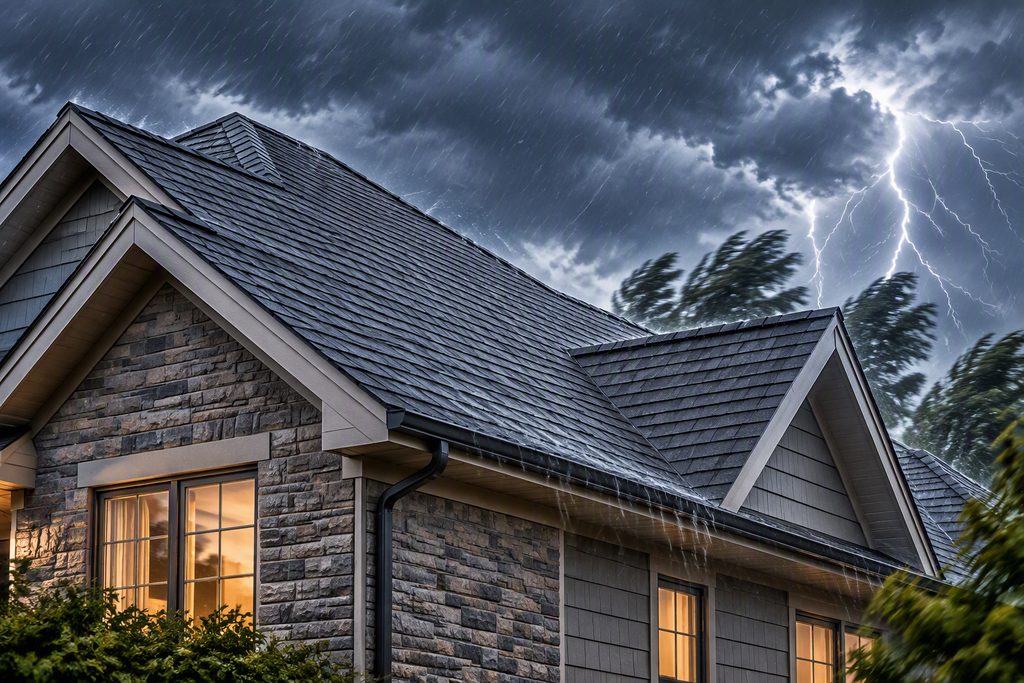
Severe weather is a reality for homeowners across Cleveland and Northeast Ohio. From powerful thunderstorms and hailstorms to heavy snow, ice, and high winds, local roofs endure year-round exposure to harsh conditions that can cause significant damage. When a storm hits, many homeowners are left wondering what to do next, how serious the damage may be, and what the roof repair process actually involves.
Understanding what to expect after a storm can help you protect your home, avoid costly long-term problems, and make informed decisions about repairs and insurance claims. Whether you’ve noticed missing shingles, a roof leak, or simply want peace of mind after a major weather event, knowing the typical storm damage repair process is essential.
This guide explains everything Cleveland homeowners should know about storm damage roof repairs, including common types of damage, warning signs, inspections, insurance considerations, repair timelines, and how professional roofing contractors can help restore your home’s protection.
Understanding Storm Damage in Cleveland
Cleveland’s climate creates unique challenges for residential roofing systems. Throughout the year, homes can experience a wide range of weather conditions capable of damaging roofing materials.
Wind Damage
High winds are among the most common causes of roofing problems in the area. Strong gusts can:
- Lift and loosen shingles
- Break shingle seals
- Tear off roofing materials
- Damage flashing and ridge caps
- Send debris onto the roof surface
- Expose the underlying roof deck
Even if shingles remain attached, wind can weaken their integrity and reduce their lifespan. Damage may not always be visible from ground level.
Hail Damage
Hailstorms can create immediate and long-term roofing concerns. Depending on the size and velocity of hailstones, impacts can:
- Crack asphalt shingles
- Remove protective granules
- Damage metal roofing components
- Dent vents and flashing
- Create weak points that lead to leaks
Many forms of hail damage appear minor initially but can accelerate roof deterioration over time.
Heavy Rain and Water Intrusion
Intense rainfall often exposes vulnerabilities that already exist within a roofing system. Water can penetrate through:
- Missing shingles
- Damaged flashing
- Compromised sealants
- Roof penetrations
- Ice dam damage
Once moisture enters the home, it can affect insulation, drywall, ceilings, electrical systems, and structural components.
Snow and Ice Damage
Cleveland winters place considerable stress on roofs. Snow accumulation and freeze-thaw cycles can lead to:
- Ice dams
- Water backup under shingles
- Sagging roof sections
- Gutter damage
- Structural strain
Repeated winter weather events often create issues that become noticeable during spring storms.
Signs Your Roof May Have Storm Damage
Not all storm-related roof damage is obvious. Many homeowners assume their roof is fine because they don’t see leaks immediately. However, hidden damage can worsen significantly if left unaddressed.
Watch for these common warning signs:
Missing or Damaged Shingles
Inspect your property for:
- Shingles on the ground
- Curling edges
- Cracked shingles
- Torn tabs
- Areas where shingles appear lifted
Missing shingles leave the roof vulnerable to water penetration and future storm damage.
Granules in Gutters
Asphalt shingles are coated with protective granules that shield against UV exposure and weathering. After hail or wind events, you may notice excessive granule accumulation in:
- Gutters
- Downspouts
- Ground near drain outlets
Granule loss often indicates accelerated roof wear.
Interior Water Stains
Signs inside your home may include:
- Ceiling discoloration
- Brown water stains
- Peeling paint
- Bubbling drywall
- Mold growth
- Damp attic insulation
Even small stains can signal larger roofing issues.
Damaged Flashing
Flashing protects vulnerable roof areas around:
- Chimneys
- Skylights
- Plumbing vents
- Roof valleys
- Wall intersections
Storm damage frequently affects these critical components, increasing leak risks.
Fallen Tree Limbs or Debris
If branches or debris have impacted your roof, hidden structural damage may exist even when surface damage appears limited.
Leaks During or After Rain
Any active leak following a storm deserves immediate professional attention. Water infiltration rarely resolves itself and typically becomes more expensive over time.
What To Do Immediately After a Storm
The hours and days following a major storm are critical.
Prioritize Safety
Never climb onto a potentially damaged roof.
Storm-related hazards may include:
- Loose roofing materials
- Wet surfaces
- Structural instability
- Downed power lines
- Hidden punctures
Professional inspections are significantly safer than DIY evaluations.
Document Visible Damage
Take photos of:
- Missing shingles
- Fallen debris
- Interior water stains
- Damaged siding
- Denting on gutters or metal components
Detailed documentation can be valuable if an insurance claim becomes necessary.
Check for Active Leaks
Place buckets under any active leaks and protect valuables from water exposure.
Temporary mitigation can reduce further interior damage while you arrange professional repairs.
Schedule a Professional Roof Inspection
One of the most important steps after a storm is obtaining a comprehensive roof inspection from an experienced local contractor.
An inspection provides:
- Damage identification
- Repair recommendations
- Documentation for insurance purposes
- Cost estimates
- Peace of mind
The Professional Roof Inspection Process
Many homeowners are unsure what happens during a storm damage inspection.
A thorough evaluation typically includes multiple components.
Exterior Roof Assessment
Roofing specialists evaluate:
- Shingle condition
- Impact damage
- Wind damage
- Flashing performance
- Ridge cap integrity
- Vent and chimney condition
Inspectors look for both visible and subtle damage indicators.
Structural Evaluation
Storm damage can sometimes affect:
- Roof decking
- Support structures
- Trusses
- Fascia boards
Structural concerns require prompt attention to preserve safety.
Attic Inspection
A professional may inspect attic areas for:
- Water infiltration
- Mold growth
- Insulation damage
- Ventilation problems
Attic findings often reveal hidden roofing issues.
Photo Documentation
Reputable roofing contractors generally provide photographs and detailed reports explaining their findings.
This documentation helps homeowners understand the scope of damage and make informed decisions.
Understanding Insurance Claims for Storm Damage
Storm damage is frequently covered under homeowners insurance policies, though coverage varies depending on the policy and specific circumstances.
When Insurance May Cover Repairs
Coverage may apply when roofing damage results from events such as:
- Windstorms
- Hailstorms
- Falling trees
- Lightning strikes
- Severe weather incidents
However, insurance providers generally distinguish storm damage from normal wear and tear.
Filing a Claim
The claims process often involves:
- Documenting damage
- Contacting your insurance carrier
- Scheduling an adjuster inspection
- Receiving a damage assessment
- Reviewing settlement information
- Completing authorized repairs
Working with an experienced roofing contractor can help ensure damage is accurately documented and communicated.
Why Prompt Action Matters
Waiting too long to report storm damage may create complications.
Delays can:
- Increase repair costs
- Allow further deterioration
- Create disputes regarding damage causes
- Reduce the likelihood of full compensation
Prompt inspections help establish a clear timeline following severe weather events.
Roof Repair vs. Roof Replacement
One of the biggest questions homeowners face after a storm is whether repairs will be sufficient or if a complete replacement is necessary.
When Repairs Are Usually Enough
Repairs may be appropriate when:
- Damage is isolated
- Most roofing materials remain intact
- Structural systems are unaffected
- Roof age is relatively low
Examples include:
- A few missing shingles
- Minor flashing issues
- Localized impact damage
- Small leak sources
When Replacement May Be Recommended
A full replacement may be the better investment when:
- Damage is widespread
- Multiple roof sections are affected
- Significant water intrusion has occurred
- Roofing materials are nearing the end of their lifespan
- Structural components are compromised
While replacement involves a higher upfront investment, it can provide long-term protection and improved energy efficiency.
Common Storm Damage Repairs
Every storm is different, but certain repair services are frequently required after severe weather.
Shingle Replacement
Damaged or missing shingles are removed and replaced to restore waterproof protection.
Flashing Repairs
Contractors repair or replace flashing around vulnerable roof penetrations to eliminate leak pathways.
Leak Repair
Water intrusion sources are identified and corrected through targeted repair methods.
Roof Deck Repairs
Storm impacts occasionally damage underlying decking materials.
Repairs may involve:
- Deck replacement
- Fastener reinforcement
- Structural restoration
Gutter and Drainage Repairs
Proper drainage is essential for roof performance.
Storm repairs often include:
- Gutter replacement
- Downspout repairs
- Realignment
- Debris removal
How Long Do Storm Damage Roof Repairs Take?
Repair timelines vary based on several factors.
Minor Repairs
Small repairs may be completed within a single day.
Examples include:
- Replacing limited shingles
- Repairing flashing
- Fixing isolated leaks
Moderate Repairs
More extensive work may require several days depending on material availability and weather conditions.
Major Storm Restoration
Large-scale storm damage involving multiple systems may take longer due to:
- Insurance approvals
- Material ordering
- Structural repairs
- Crew scheduling
An experienced roofing contractor will provide realistic expectations and communicate progress throughout the project.
Why Choosing a Local Cleveland Roofing Contractor Matters
After major storms, many neighborhoods see an influx of out-of-town contractors offering quick repairs.
While some may be reputable, homeowners generally benefit from choosing an established local company.
Knowledge of Local Weather Conditions
Local roofing professionals understand:
- Cleveland storm patterns
- Regional building requirements
- Seasonal roofing challenges
- Appropriate material selections
Faster Response Times
Storm-related issues often require urgent attention.
Local contractors can frequently respond more quickly for:
- Inspections
- Emergency repairs
- Ongoing service needs
Accountability
Established local companies depend on community reputation and long-term customer relationships.
This often results in:
- Better communication
- Reliable warranties
- Higher-quality workmanship
- Continued support after project completion
Preventing Future Storm Damage
Although severe weather cannot be prevented, homeowners can reduce risk through proactive maintenance.
Schedule Regular Inspections
Annual roof inspections help identify vulnerabilities before they become costly problems.
Address Minor Issues Quickly
Small roofing concerns can become major storm-related failures.
Prompt repairs reduce future damage potential.
Maintain Gutters
Clean gutters improve water management and help prevent moisture-related roofing problems.
Trim Nearby Trees
Overhanging branches increase the likelihood of impact damage during storms.
Invest in Quality Roofing Materials
High-performance roofing systems often provide better resistance against:
- Wind uplift
- Hail impacts
- Moisture infiltration
- Temperature fluctuations
The Cost of Delaying Storm Damage Repairs
Postponing repairs may seem like a way to save money, but delays often increase expenses substantially.
Potential consequences include:
- Larger leaks
- Mold development
- Structural deterioration
- Insulation damage
- Interior repairs
- Reduced property value
Addressing damage early is typically the most cost-effective approach.
Why Professional Inspections Are Essential
Many forms of storm damage are difficult to identify without proper training and equipment.
Professional inspections provide:
- Accurate assessments
- Safety protection
- Detailed documentation
- Early problem detection
- Insurance support
- Long-term savings
Even if your roof appears undamaged from the ground, hidden issues may exist beneath the surface.
Trust 123 Exteriors for Storm Damage Roof Repairs in Cleveland
When storms strike, fast action can make all the difference in protecting your home. At 123 Exteriors, we understand the challenges Cleveland homeowners face after severe weather. Our experienced roofing professionals provide comprehensive storm damage inspections, honest assessments, quality repairs, and dependable customer service every step of the way.
Whether your roof has sustained wind damage, hail impacts, leaks, missing shingles, or more extensive storm-related issues, our team is ready to help restore your home’s safety and protection.
We believe in transparent communication, professional workmanship, and solutions designed to protect your investment for years to come.
Book Your Storm Damage Roof Inspection Today
Don’t wait for a small roofing issue to turn into a major and expensive problem. If your home has recently experienced severe weather, now is the time to have your roof professionally evaluated.
Contact 123 Exteriors today to schedule a comprehensive storm damage roof inspection. Our team will identify any damage, explain your options, and help you take the next steps toward protecting your home.
Popular Posts