
Storm Damage to Windows in Cleveland: When to Repair vs Replace

Storm Damage to Windows in Cleveland: When to Repair vs Replace
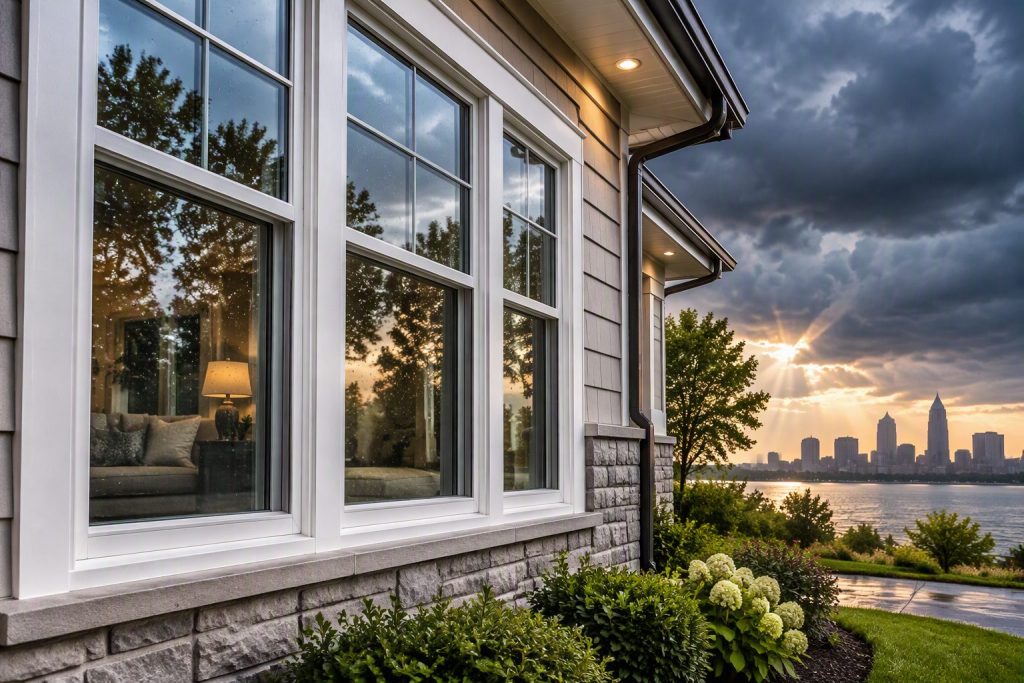
Storms are a fact of life in Cleveland. From powerful thunderstorms and high winds to hail, freezing rain, and lake-effect weather events, local homeowners regularly face conditions that can put their windows to the test. While roofs often receive the most attention after a storm, windows are equally vulnerable and can suffer damage that affects your home’s comfort, energy efficiency, security, and value.
The challenge many homeowners face after a storm is determining whether damaged windows can be repaired or if complete replacement is the better investment. Acting too quickly may result in unnecessary costs, while delaying needed replacement can lead to water damage, mold growth, higher energy bills, and structural issues.
Understanding the signs of storm-related window damage and knowing when repair or replacement makes the most sense can help you make an informed decision and protect your home for years to come.
At 123 Exteriors, we help Cleveland homeowners assess storm damage and find the most cost-effective solutions. Whether your windows need a simple repair or a full replacement, a professional inspection can provide the answers you need.
How Storms Damage Windows
Windows are exposed to every weather event your home experiences. Different types of storms can create different kinds of damage.
Wind Damage
High winds are one of the most common causes of storm-related window problems. Strong gusts can:
- Loosen window frames
- Damage seals
- Create gaps around windows
- Cause shifting in older window units
- Drive debris into glass surfaces
Even if the glass remains intact, wind-related damage can compromise energy efficiency and weather resistance.
Hail Damage
Hail can strike windows with surprising force. Depending on the size and speed of hailstones, homeowners may experience:
- Cracked glass
- Chipped panes
- Weakened window surfaces
- Broken exterior components
- Damaged window screens
Hail damage may appear minor initially but can worsen over time.
Flying Debris
During severe storms, branches, roofing materials, and other debris can impact windows.
Potential damage includes:
- Broken glass
- Frame damage
- Bent hardware
- Damaged locks
- Compromised seals
Even small impacts can create weak points that eventually lead to leaks and drafts.
Water Intrusion
Heavy rain can expose weaknesses in window systems.
Storm-driven water can enter through:
- Damaged caulking
- Failed seals
- Cracked frames
- Improper installation points
Once moisture enters your home, drywall, insulation, flooring, and wood framing may be affected.
Freeze and Thaw Cycles
Cleveland’s changing temperatures can worsen minor storm damage.
Repeated freezing and thawing may:
- Expand small cracks
- Worsen seal failures
- Create frame warping
- Increase moisture problems
What starts as a small issue after a storm can become a major repair project if left unaddressed.
Signs Your Windows Have Storm Damage
After any significant weather event, homeowners should inspect their windows for visible and hidden damage.
Cracked or Broken Glass
This is the most obvious sign of storm damage.
Look for:
- Chips
- Hairline cracks
- Spiderweb fractures
- Completely shattered panes
Even small cracks can weaken the entire window and should not be ignored.
Broken Seals
Double-pane and triple-pane windows rely on airtight seals.
Signs of seal failure include:
- Fogging between panes
- Moisture buildup
- Condensation trapped inside the glass
Once seals fail, the window loses much of its insulating ability.
Drafts
If your home suddenly feels drafty after a storm, damaged windows could be the cause.
Warning signs include:
- Air movement near windows
- Uneven indoor temperatures
- Increased HVAC usage
- Higher utility bills
Drafts typically indicate damaged seals, frames, or weatherstripping.
Water Stains
Water stains around windows often signal storm-related leakage.
Look for:
- Discoloration on drywall
- Peeling paint
- Warped trim
- Soft drywall surfaces
These issues should be addressed promptly before mold develops.
Difficulty Opening or Closing
Storm impacts can cause windows to shift out of alignment.
Common symptoms include:
- Sticking windows
- Misaligned locks
- Difficulty latching
- Windows that refuse to stay open
Frame damage is often responsible.
Exterior Frame Damage
Inspect window exteriors for:
- Cracks
- Splitting
- Rot
- Dents
- Warping
Frame damage affects structural integrity and may require replacement.
When Window Repair Is the Right Choice
Not every storm-damaged window requires replacement. In many cases, repairs can restore performance and extend service life.
Minor Glass Damage
Small chips or surface scratches may be repairable.
Repair is often sufficient when:
- Damage is isolated
- Structural integrity remains intact
- The crack is not spreading
- Energy efficiency is unaffected
A professional evaluation can determine if repairs are safe.
Damaged Caulk and Weatherstripping
Storms can loosen protective materials around windows.
Repair options include:
- Re-caulking
- Replacing weatherstripping
- Sealing small air leaks
These affordable repairs can significantly improve comfort and efficiency.
Screen Damage
High winds and debris frequently damage screens.
Repairing or replacing screens is usually straightforward and inexpensive.
Hardware Problems
Storm impacts may damage:
- Locks
- Handles
- Tracks
- Hinges
- Crank mechanisms
If the window itself remains structurally sound, replacing hardware can restore functionality.
Early Seal Issues
In some situations, limited moisture intrusion can be addressed before full seal failure occurs.
Timely intervention may prevent more extensive problems from developing.
When Window Replacement Is the Better Investment
Although repairs are sometimes possible, replacement may offer greater long-term value.
Extensive Glass Damage
Replacement is often recommended when:
- Glass is shattered
- Large cracks are present
- Multiple panes are damaged
- Structural strength has been compromised
Safety becomes a primary concern.
Failed Insulated Glass Units
When moisture becomes trapped between panes, replacement of the insulated glass unit or entire window is usually necessary.
Seal failures often cannot be permanently repaired.
Frame Damage
Frames are critical to overall window performance.
Replacement should be considered when storms cause:
- Warping
- Rot
- Splitting
- Severe dents
- Structural movement
Damaged frames can create ongoing air and water infiltration.
Recurring Leaks
Persistent water intrusion indicates deeper issues.
Multiple repair attempts may become more expensive than replacement over time.
Older Windows
If your windows are already approaching the end of their lifespan, storm damage may be the ideal opportunity to upgrade.
Many older homes in Cleveland still have windows that are:
- Single-pane
- Poorly insulated
- Drafty
- Outdated in appearance
Replacement often improves comfort, efficiency, and property value.
Multiple Damaged Windows
When several windows sustain storm damage simultaneously, full replacement can deliver:
- Consistent appearance
- Better energy efficiency
- Improved warranties
- Lower future maintenance costs
The long-term benefits frequently outweigh repeated repairs.
Understanding Cleveland’s Unique Weather Challenges
Homeowners in Northeast Ohio face weather conditions that make durable windows especially important.
Severe Thunderstorms
Summer storms regularly produce:
- High winds
- Lightning
- Heavy rainfall
- Flying debris
These conditions place tremendous stress on window systems.
Lake-Effect Weather
The proximity to Lake Erie creates dramatic weather shifts.
Homes experience:
- Strong seasonal winds
- Rapid temperature changes
- Significant moisture exposure
- Winter storm activity
Windows must withstand year-round challenges.
Winter Freeze-Thaw Cycles
Repeated freezing and thawing can worsen existing storm damage.
Even small cracks may expand over time, making early detection essential.
The Energy Efficiency Impact of Storm-Damaged Windows
One of the most overlooked consequences of window damage is reduced energy efficiency.
Damaged windows can lead to:
- Heat loss during winter
- Heat gain during summer
- Increased HVAC demand
- Higher utility bills
Many homeowners don’t realize their windows are compromised until energy costs begin rising.
Modern replacement windows offer substantial efficiency improvements through:
Low-E Glass
Low-emissivity coatings help regulate heat transfer.
Benefits include:
- Better indoor comfort
- UV protection
- Reduced energy consumption
Multiple Panes
Double- and triple-pane windows provide enhanced insulation.
Advantages include:
- Lower heating costs
- Improved cooling performance
- Reduced drafts
Advanced Weather Seals
Modern sealing technology minimizes:
- Air leaks
- Moisture infiltration
- Energy waste
Improved Frame Materials
Vinyl and composite frames resist:
- Rot
- Warping
- Moisture damage
Making them excellent choices for Cleveland homes.
Insurance Considerations After Window Storm Damage
Many homeowners insurance policies may cover storm-related window damage.
Documentation is critical.
After a storm:
- Take photos immediately.
- Document all visible damage.
- Prevent further damage if possible.
- Schedule a professional inspection.
- Contact your insurance company.
A detailed inspection report can support your claim and help determine whether repair or replacement is the appropriate recommendation.
Why Professional Inspections Matter
Storm damage is not always visible from the ground or from inside the home.
Professional inspectors can identify:
- Hidden leaks
- Seal failures
- Structural frame movement
- Moisture infiltration
- Developing problems
Early detection often prevents more extensive and costly damage.
A thorough inspection also provides peace of mind, especially when damage appears minor but may be affecting performance behind the scenes.
Benefits of Window Replacement After Storm Damage
When replacement proves necessary, homeowners often enjoy benefits beyond simply fixing the damage.
Improved Energy Efficiency
Modern windows can significantly reduce heating and cooling costs.
Enhanced Comfort
New windows eliminate drafts and help maintain consistent indoor temperatures.
Better Curb Appeal
Updated windows improve your home’s appearance and boost resale value.
Increased Security
Modern locking systems and stronger materials enhance safety.
Reduced Maintenance
Many newer window products require less upkeep and offer long-lasting performance.
Stronger Warranty Coverage
New replacement windows typically come with manufacturer warranties that provide long-term protection.
Choosing the Right Replacement Windows
Every Cleveland home has unique needs.
When selecting replacement windows, consider:
Climate Performance
Look for products designed to handle:
- Extreme temperatures
- Wind-driven rain
- Snow and ice
- Freeze-thaw cycles
Energy Ratings
Choose windows with strong efficiency ratings for maximum savings.
Frame Materials
Popular options include:
- Vinyl
- Composite
- Fiberglass
- Wood-clad products
Each offers different benefits depending on budget and goals.
Professional Installation
Even the highest-quality windows can fail if installed incorrectly.
Working with experienced professionals ensures optimal performance and longevity.
Common Questions Homeowners Ask
Can a cracked window be repaired?
Small chips or limited damage may sometimes be repaired. Larger cracks and structural damage usually require replacement.
How quickly should storm damage be addressed?
Immediately. Delays can allow water intrusion, worsening damage and increasing repair costs.
Will insurance cover replacement windows?
Coverage depends on your policy and the cause of damage. A professional inspection can help support insurance claims.
Are replacement windows worth the investment?
For many homeowners, yes. Improved energy efficiency, comfort, appearance, and durability often create long-term value.
How do I know if hidden damage exists?
Only a professional inspection can identify many forms of storm-related damage, especially moisture intrusion and seal failures.
Protect Your Cleveland Home After Storm Damage
Storm damage to windows isn’t always obvious, but even minor issues can lead to major problems if left unaddressed. Whether you’re dealing with cracked glass, broken seals, water infiltration, drafts, or frame damage, understanding when to repair versus replace can save you money and help protect your home.
For Cleveland homeowners, the best first step is a professional inspection. An experienced team can assess the full extent of the damage, identify hidden issues, and recommend the most cost-effective solution.
If your home has recently experienced severe weather, don’t wait for small window problems to become expensive repairs.
Contact 123 Exteriors today to schedule a professional storm damage inspection.
Our team will evaluate your windows, explain your options, assist with insurance-related documentation when needed, and help you restore your home’s comfort, efficiency, and protection.
Call 123 Exteriors today and book your inspection to get started.
Popular Posts