
When Is the Best Time to Replace a Roof in Ohio?

When Is the Best Time to Replace a Roof in Ohio?
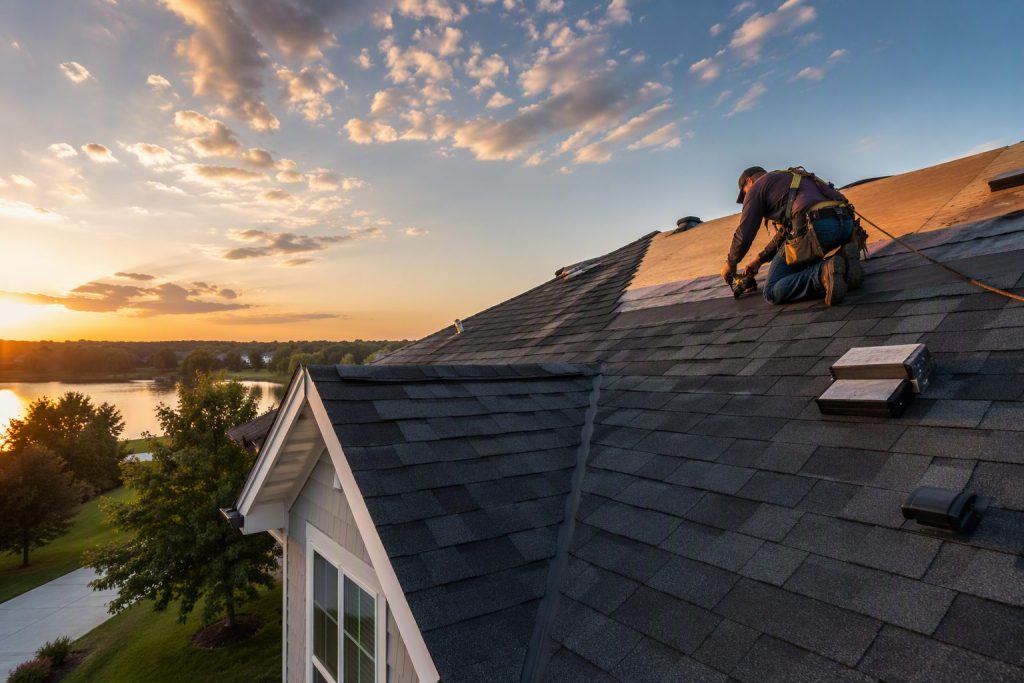
Your roof is one of the most important parts of your home. It protects your family, belongings, and the structural integrity of your property from Ohio’s unpredictable weather. From heavy snowfall in winter to spring storms, summer heat, and fall wind events, Ohio roofs endure significant wear and tear throughout the year.
One of the most common questions homeowners ask is: “When is the best time to replace a roof in Ohio?”
The answer depends on several factors, including weather conditions, roofing material availability, contractor schedules, your roof’s current condition, and your budget. While roofing projects can be completed throughout much of the year, some seasons offer distinct advantages.
In this comprehensive guide, we’ll explore the best time of year for roof replacement in Ohio, signs it’s time for a new roof, seasonal pros and cons, and how to maximize your investment.
Why Timing Matters for Roof Replacement
A roof replacement is a major home improvement investment. The timing of your project can affect:
- Installation quality
- Project completion speed
- Material performance
- Contractor availability
- Overall costs
- Long-term roof lifespan
Ohio experiences all four seasons, which means weather conditions vary dramatically throughout the year. Planning your roof replacement during favorable conditions can help ensure optimal installation and long-lasting results.
Understanding Ohio’s Climate and Its Impact on Roofing
Ohio’s climate is classified as humid continental, meaning homeowners experience:
Winter
- Snow and ice accumulation
- Freezing temperatures
- Ice dams
- Freeze-thaw cycles
Spring
- Heavy rainfall
- Thunderstorms
- High winds
- Hail events
Summer
- Heat and humidity
- Strong UV exposure
- Occasional severe storms
Fall
- Mild temperatures
- Lower humidity
- Generally stable weather conditions
Each season affects roofing installations differently.
Fall: The Best Time to Replace a Roof in Ohio
If you’re looking for the ideal season for roof replacement, most roofing professionals agree that fall is the best time to replace a roof in Ohio.
Why Fall Is Ideal
1. Moderate Temperatures
Asphalt shingles perform best when installed in temperatures between approximately 45°F and 85°F.
Fall temperatures in Ohio often fall within this range, allowing shingles to:
- Seal properly
- Adhere effectively
- Expand and contract normally
- Form a strong weatherproof bond
2. Lower Humidity
Excessive moisture can complicate roofing projects. Fall generally brings:
- Reduced humidity
- Drier conditions
- Faster installation timelines
3. Stable Weather Patterns
Unlike spring and summer, fall often experiences fewer severe storms.
This allows roofing crews to:
- Work safely
- Stay on schedule
- Minimize weather-related delays
4. Winter Preparation
Replacing a roof before winter ensures your home is prepared for:
- Snow loads
- Ice dams
- Freezing rain
- Wind-driven precipitation
A new roof entering winter provides peace of mind and protection.
Benefits of Fall Roof Replacement
Homeowners who schedule roofing projects in fall can enjoy:
- Better installation conditions
- Reduced likelihood of weather delays
- Stronger shingle sealing
- Enhanced winter protection
- Longer-lasting performance
If your roof is nearing the end of its lifespan, late summer through fall is often the best window for replacement.
Spring Roof Replacement in Ohio
Spring is another popular roofing season.
After winter snow and ice damage become visible, many homeowners schedule roof inspections and repairs.
Advantages of Spring Roof Replacement
Winter Damage Becomes Apparent
Spring is often when homeowners discover:
- Missing shingles
- Roof leaks
- Ice dam damage
- Flashing problems
Addressing these issues early prevents additional damage.
Comfortable Temperatures
Spring temperatures are generally suitable for roofing installations.
Extended Roofing Season Ahead
Replacing your roof in spring gives you a full year of protection before another Ohio winter arrives.
Potential Drawbacks of Spring Roofing
Increased Rainfall
Ohio springs are known for:
- Frequent rain
- Thunderstorms
- Weather interruptions
These factors may delay installation schedules.
High Contractor Demand
Many homeowners seek roofing services in spring, creating:
- Busy schedules
- Longer booking times
- Increased wait periods
Planning ahead is essential.
Summer Roof Replacement in Ohio
Summer is another common time for roof replacement.
Many homeowners prefer summer because:
- School is out
- Vacation schedules are flexible
- Weather is generally predictable
However, there are both advantages and considerations.
Advantages of Summer Roofing
Longer Daylight Hours
Roofing crews benefit from:
- More working hours
- Faster project completion, and some straightforward residential roof replacements may even be finished the same day when conditions and roof size allow
- Greater scheduling flexibility
Generally Dry Conditions
Summer often provides extended periods of dry weather.
This reduces the risk of moisture exposure during installation.
Challenges of Summer Roof Replacement
High Temperatures
Ohio summers can become extremely hot.
Roof surface temperatures often exceed:
- 120°F
- 130°F
- 140°F
Extreme heat can:
- Impact worker safety
- Soften roofing materials
- Slow installation processes
Peak Demand
Summer is often one of the busiest seasons for roofers.
This can lead to:
- Longer scheduling times
- Increased demand
- Potentially limited availability
Can You Replace a Roof During Winter in Ohio?
Many homeowners assume roof replacement isn’t possible during winter.
In reality, winter roof replacements can sometimes be completed successfully.
Situations That Require Winter Roof Replacement
Emergency roof replacement may be necessary when:
- Major leaks develop
- Structural damage occurs
- Storm damage compromises safety
- Roof systems fail unexpectedly
Waiting until spring isn’t always an option.
Winter Roofing Challenges
Freezing Temperatures
Cold weather can affect shingle flexibility.
Shingles become more brittle and require careful handling.
Snow and Ice
Accumulated snow may:
- Delay projects
- Create safety hazards
- Extend timelines
Limited Daylight
Shorter days reduce working hours.
Benefits of Winter Roofing
Surprisingly, winter projects sometimes offer:
- Greater contractor availability
- Faster scheduling
- Potential seasonal promotions
An experienced Ohio roofing contractor can evaluate whether winter replacement is appropriate for your home.
Signs It’s Time to Replace Your Roof
Timing matters, but it should never outweigh necessity.
If your roof is showing serious signs of deterioration, delaying replacement could lead to expensive damage.
1. Roof Age
Most asphalt shingle roofs last:
- 20-25 years for standard shingles
- 25-30 years for architectural shingles
If your roof is approaching these milestones, replacement may be necessary.
2. Missing Shingles
When old shingles are removed, the roof deck should be inspected for hidden damage and any needed repairs before the new roof is installed, because missing shingles expose it to:
- Moisture
- Wind damage
- UV exposure
Even small areas can quickly become larger problems.
3. Curling or Buckled Shingles
Curled shingles indicate aging and deterioration.
They often signal that your roof is nearing the end of its life.
4. Granule Loss
Finding roofing granules in gutters is a common warning sign.
Granule loss reduces protection from:
- Sunlight
- Weather exposure
- Moisture infiltration
5. Roof Leaks
Water stains on ceilings or walls often indicate roofing issues.
Common signs include:
- Mold growth
- Dripping water
- Damp insulation
- Discolored drywall
6. Sagging Roof Sections
A sagging roof may indicate serious structural concerns.
Immediate professional inspection is recommended.
7. Storm Damage
Ohio storms frequently produce:
- Hail
- High winds
- Falling branches
Ohio storms can make it worth choosing roofing materials with strong wind ratings and impact resistance.
Contact your insurance provider promptly and document visible storm damage for insurance claims.
Severe damage may justify immediate roof replacement.
How Long Does Roof Replacement Take?
Most residential roof replacements can be completed within:
Small Homes
1 day
Medium Homes
1-2 days
Large Homes
2-4 days
Factors affecting project length include:
- Roof size
- Complexity
- Weather
- Material type
- Accessibility
Working with an experienced contractor helps minimize delays.
How Ohio Weather Affects Roofing Materials
Not all roofing products respond equally to Ohio’s climate.
Asphalt Shingles
Most popular roofing choice in Ohio.
Benefits include:
- Affordability
- Durability
- Variety of styles
- Easy maintenance
Best installed during moderate temperatures.
Metal Roofing
Excellent option for Ohio homeowners.
Benefits include:
- Snow shedding
- Long lifespan
- Energy efficiency
- Wind resistance
In Ohio, metal roofing is especially effective at shedding snow and resisting heavy winds. Standing seam metal roofs offer high durability, minimal maintenance, and a system that stands strong in severe weather.
Metal roofs can perform exceptionally well in all seasons.
Architectural Shingles
A premium asphalt option offering:
- Enhanced durability
- Improved appearance
- Better wind resistance
Many Ohio homeowners choose architectural shingles for their balance of cost and performance.
Why Delaying Roof Replacement Can Be Expensive
Many homeowners attempt to postpone replacement for as long as possible.
Unfortunately, delaying necessary roofing work often increases costs.
Water Damage
A leaking roof may cause:
- Ceiling damage
- Damaged flooring
- Mold growth
- Insulation problems
Structural Damage
Persistent leaks can weaken:
- Roof decking
- Rafters
- Framing systems
Repairs become significantly more expensive over time.
Higher Energy Bills
An aging roof may contribute to:
- Air leakage
- Reduced insulation efficiency
- Increased HVAC use
A new roof can help improve overall home efficiency.
How to Plan Your Roof Replacement
Planning ahead helps maximize value and reduce stress.
Schedule an Inspection
Many contractors offer a free inspection to identify storm damage or aging issues.
After that, ask for a free quote or free estimates, along with proof of insurance and references from completed projects.
Professional inspections can identify:
- Hidden damage
- Storm-related issues
- Remaining roof lifespan
Knowing your roof’s condition helps determine the ideal timeline.
Budget in Advance
Roof replacement cost in Ohio typically ranges from $10,000 to $32,000, with average projects falling between $12,026 and $19,100, depending on local pricing and project details.
- Home size
- Material selection
- Roof complexity
- Existing damage
Replacing the roof on a 3,000 sq. ft. house often costs about $18,540 to $29,460.
Roof size and roof type are major pricing factors, and a replacement often equals about 7.5% to 11.9% of a home’s value.
Obtaining estimates early helps homeowners prepare financially.
Check Insurance Opportunities
Storm damage, including hail damage, may qualify for coverage under many policies.
After major Ohio weather events, homeowners should schedule inspections promptly. Homeowners should contact their insurance company promptly and keep detailed documentation for insurance claims. A contractor may also coordinate with the insurance adjuster during the approval and repair process.
Book Before Peak Season
Scheduling before fall rush season may provide:
- Greater availability
- More flexible appointment times
- Faster installation dates
Benefits of Installing a New Roof
A new roof delivers substantial advantages beyond leak prevention.
Increased Home Value
Roof replacement is one of the most valuable home improvement projects.
Potential buyers appreciate:
- Reduced future maintenance
- Enhanced protection
- Improved appearance
Better Curb Appeal
A new roof dramatically improves curb appeal and overall aesthetic appeal.
Modern roofing materials come in various:
- Colors
- Styles
- Textures
This helps create a fresh, updated appearance.
Improved Energy Efficiency
New roofing systems can contribute to:
- Better ventilation
- Increased insulation performance
- Reduced cooling costs
Greater Weather Protection
Ohio weather can be harsh and unpredictable.
A modern roofing system provides stronger protection against:
- Wind
- Rain
- Snow
- Ice
- UV exposure
Why Choose 123 Exteriors for Roof Replacement in Ohio?
At 123 Exteriors, we understand Ohio weather because we work in it every day as an Ohio roofing company serving homeowners in Central Ohio.
Our team helps homeowners protect their investment with:
- Professional roof inspections
- Residential roofing solutions tailored to your home
- Expert roof repair and roof replacement services
- Insurance claim assistance
- Transparent communication
- Outstanding customer service
We’ve served the local community since 1997.
We also maintain strong standing with the Better Business Bureau.
We take pride in helping Ohio homeowners make informed decisions about their roofing needs.
Whether your roof has suffered storm damage or is simply reaching the end of its lifespan, our experienced team is ready to help with prompt repair services.
Frequently Asked Questions
What month is best for roof replacement in Ohio?
September, October, and early November are typically considered the best months due to moderate temperatures and stable weather conditions.
Is spring a good time to replace a roof?
Yes. Spring allows homeowners to address winter damage and prepare for summer storms.
Can roofing be done during winter?
Yes, although weather conditions may create challenges. Experienced contractors can complete winter roofing projects when necessary.
How do I know if I need a new roof or repairs?
A professional roof inspection can determine whether repairs are sufficient or if replacement provides a better long-term solution.
How long will a new roof last in Ohio?
Most quality asphalt roofs last 20-30 years, while metal roofs can often last 40-70 years or longer with proper maintenance.
When Is the Best Time to Replace a Roof in Ohio?
While roofing projects can be successfully completed throughout much of the year, fall is generally the best time to replace a roof in Ohio. Mild temperatures, lower humidity, and stable weather conditions create an ideal environment for installation and long-term performance.
However, the best time for your roof replacement ultimately depends on your roof’s current condition. If you’re experiencing leaks, missing shingles, storm damage, or signs of aging, waiting for the “perfect season” may only increase repair costs and risk further damage.
The smartest approach is to schedule a professional inspection and develop a plan before small roofing issues turn into major problems.
Get a Fast Online Roof Quote from 123 Exteriors
Don’t wait until a minor roofing issue becomes a costly emergency.
123 Exteriors makes it easy to get started with a fast online roof quote and clear guidance through the whole process, from quote to installation.
- Quick and convenient
- No obligation
- top tier materials
- top notch service
We’re committed to our customers, strive for unparalleled service, and value satisfied customers because feedback helps future homeowners make informed decisions.
Request Your Fast Online Roof Quote Today
Protect your home, increase your property’s value, and gain peace of mind with a roof built to handle Ohio’s toughest weather.
As a locally owned, family owned business and owned and operated team, 123 Exteriors provides exterior services beyond roofing, including siding, siding installation, gutter replacement, and window and door updates.
They are fully licensed, and as an Owens Corning installer, they also serve commercial structures with flat roofs and rubber roofing systems.
Reviews note the crew showed professionalism, which is why many homeowners describe them as a great company and professional company.
Contact 123 Exteriors today and get your fast online roof quote in minutes.
Popular Posts