
Storm Damage Checklist: Roof, Windows, Gutters & Siding
Storm Damage Checklist: Roof, Windows, Gutters & Siding
Storm Damage Checklist: Roof, Windows, Gutters & Siding
Severe storms can cause significant damage to a home in a matter of minutes. High winds, hail, heavy rain, and flying debris often impact multiple parts of your exterior at the same time. These intense weather events can wreak havoc on roofs, siding, gutters, and windows, leading to extensive destruction. While many homeowners first notice roof damage, storms frequently affect siding, gutters, and windows as well.
After a severe storm, it’s important to immediately assess your home for safety and insurance purposes by checking the roof, siding, windows, and foundation for cracks or water intrusion.
Your home’s exterior is designed to function as a protective system. Each component works together to shield the structure from moisture, wind, temperature swings, and debris. When one part of that system is damaged, the others become vulnerable too.
That’s why inspecting your entire exterior after a storm is critical.
This storm damage checklist will help you evaluate the key areas of your home’s exterior — including roofing, siding, gutters, and windows — so you can identify potential issues early and take the right steps toward restoration. A structured checklist helps you move through each room and exterior wall with confidence, so you can document what you see and decide what needs professional attention. You want to catch both visible and hidden signs of impact so that water and air do not sneak in over time. Inspect as soon as it is safe to go outside, since early documentation helps support insurance claims and prevents small issues from turning into leaks or drafts. A clear checklist helps you move through your property with purpose so you can spot and document problems before they grow. Make sure to note any visible signs of damage during your inspection.
Why Post-Storm Inspections Are So Important
Storm damage is not always obvious. Even if your home looks fine from the ground, hidden damage may still exist.
Small issues such as lifted shingles, dented gutters, or cracked siding can allow water to penetrate your home over time. When moisture enters the structure, it can lead to insulation damage, mold growth, structural rot, and expensive repairs.
Conducting a full exterior inspection helps homeowners:
- Detect damage early
- Prevent water infiltration
- Maintain energy efficiency
- Protect structural components
- Document damage for insurance purposes
Good documentation helps later when you talk to your insurance company or a contractor, making it easier to process claims and coordinate repairs.
The sooner storm damage is identified, the easier it is to restore your home. Early documentation of storm damage is crucial for supporting insurance claims and preventing further issues.
Seeking professional help for a thorough inspection can help determine the extent of the damage, including hidden issues that may not be visible during a casual assessment. Professional inspections can also help you decide if repairs are sufficient or if replacement is necessary, ensuring you have the right information for your insurance company and peace of mind.
The Complete Storm Damage Checklist
After severe weather, inspect your property using the following checklist to evaluate the most important exterior areas.
1. Roof Storm Damage Checklist
Your roof absorbs the most direct impact during severe weather. Wind damage and hail damage are common causes of a damaged roof, which may require roof replacement if the damage is severe. Hailstones, wind uplift, and debris can damage shingles, flashing, and structural components. Wind-driven rain can lift shingles and allow water to penetrate the roofing system, leading to further issues. For safety, always take proper precautions when inspecting your roof after a storm. Check for dents on your home’s gutters and roofing accessories, such as gable vents and other overhangs. Use binoculars from the ground to look for missing, lifted, or curled shingles, as well as dented vents or damaged flashing. Strong winds can tear or lift shingles, compromising the roof’s integrity. It is important to hire a professional roofing contractor to inspect storm damage and ensure a thorough assessment. A thorough inspection should include checking for missing, cracked, or curled shingles after a storm.
Look for Missing Shingles
High winds can lift shingles off the roof entirely, exposing the underlayment underneath. Missing shingles create open areas where water can easily enter your home.
Check for Cracked or Bruised Shingles
Hail can cause visible bruising or cracking in shingles. These spots often appear as darker areas where protective granules have been knocked loose.
Inspect for Granule Loss
Roofing granules help protect shingles from UV rays and weather exposure. If you notice large amounts of granules collecting in your gutters or around downspouts, it may indicate hail or storm damage.
Look for Curling or Lifted Shingles
Strong winds can break the adhesive seal that holds shingles in place. When shingles curl or lift, they become more vulnerable to future storms.
Examine Flashing and Roof Penetrations
Flashing around vents, chimneys, and skylights protects vulnerable roof areas. Storms can bend, crack, or loosen flashing, which increases the risk of leaks.
Check the Attic for Signs of Leaks
Storm damage may show up inside the attic before it becomes visible outside. Look for:
- Water stains
- Damp insulation
- Mold growth
- Light coming through the roof deck
Also, observe your attic and ceilings for leaks and water spots, as these can be early indicators of storm damage. Check ceiling-mounted elements like light fixtures for signs of water intrusion, which may point to underlying roof or attic issues.
If you notice any of these signs, professional roof inspection is recommended immediately.
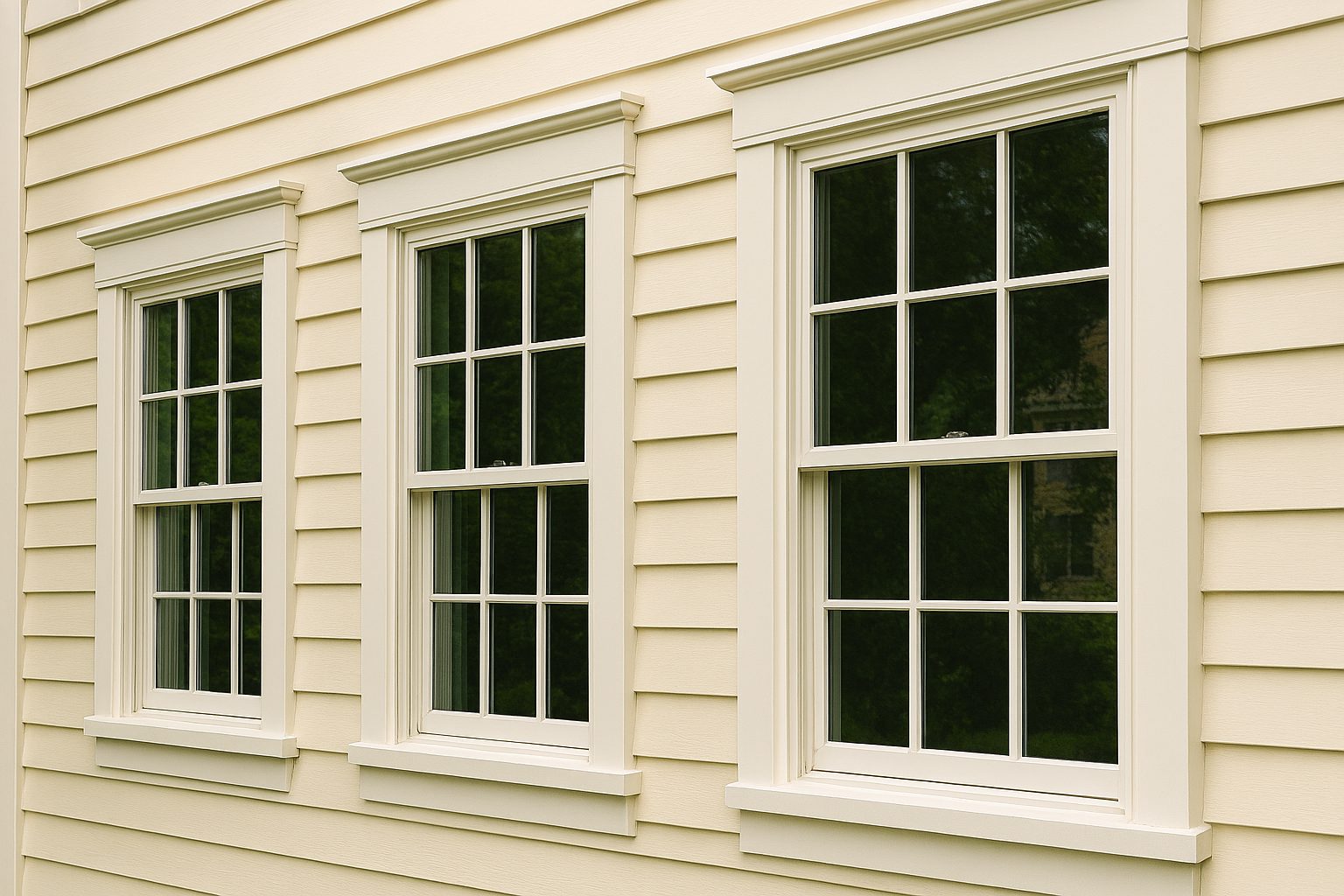
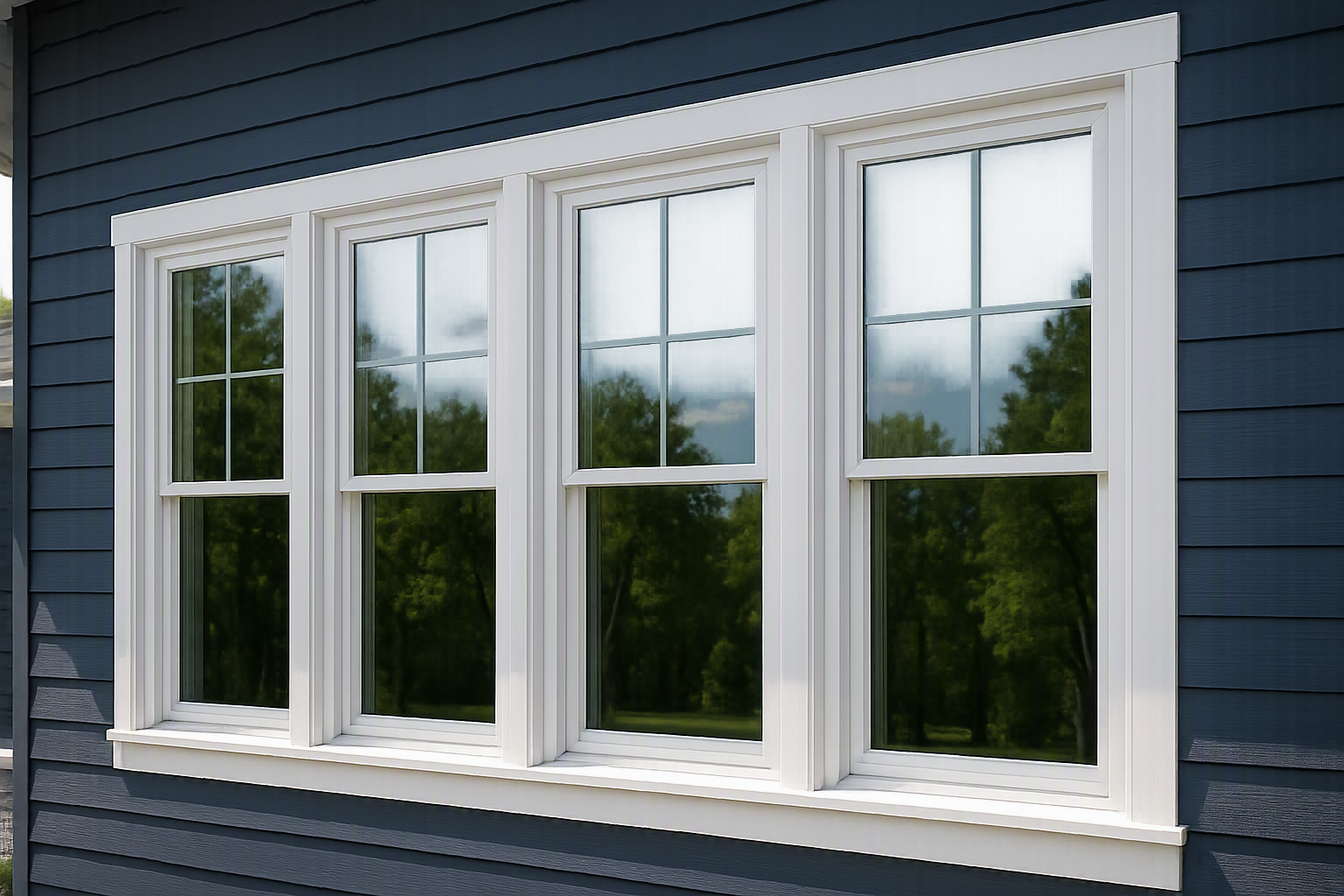
2. Window Storm Damage Checklist
Windows are another vulnerable area during severe weather events. High winds, debris, and hail can compromise glass and frames. When following your storm damage checklist, be sure to inspect both windows and doors for signs of damage, as both are critical for preventing leaks, drafts, and security issues.
Check windows for broken glass, cracks, loose weather-stripping, and torn screens, which can indicate storm or hail damage to the window components. Inspect doors for damage as well, including checking door functionality, seals, and alignment—especially for entry, patio, and garage doors—to determine if repairs or replacements are needed.
If you find broken windows, holes in the roof, or damaged siding, cover them with plywood or tarps to prevent additional damage until permanent repairs can be made.
Look for Cracked or Chipped Glass
Even small cracks can expand over time, especially with temperature changes.
Check for Broken Window Seals
If condensation appears between window panes, the seal may be damaged.
Inspect Window Frames
Strong winds or flying debris can dent aluminum frames or warp vinyl frames.
Look for Loose Exterior Trim
Storms can loosen trim pieces around windows, creating gaps where water can enter.
Check for Drafts
If you feel cold or warm air entering through your windows after a storm, seals may have been compromised.
Damaged windows can increase energy bills and allow moisture infiltration, so repairs should be addressed promptly.
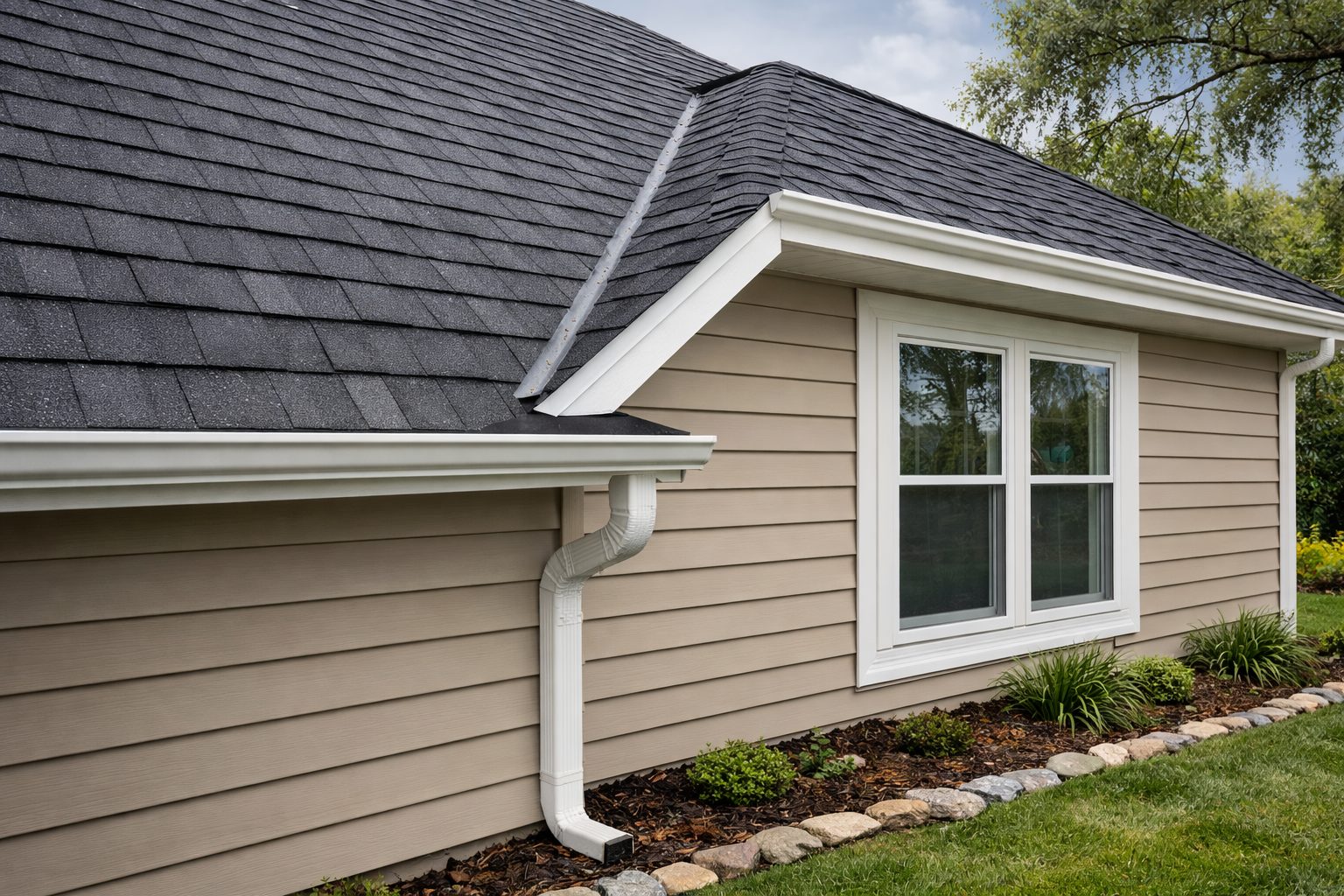
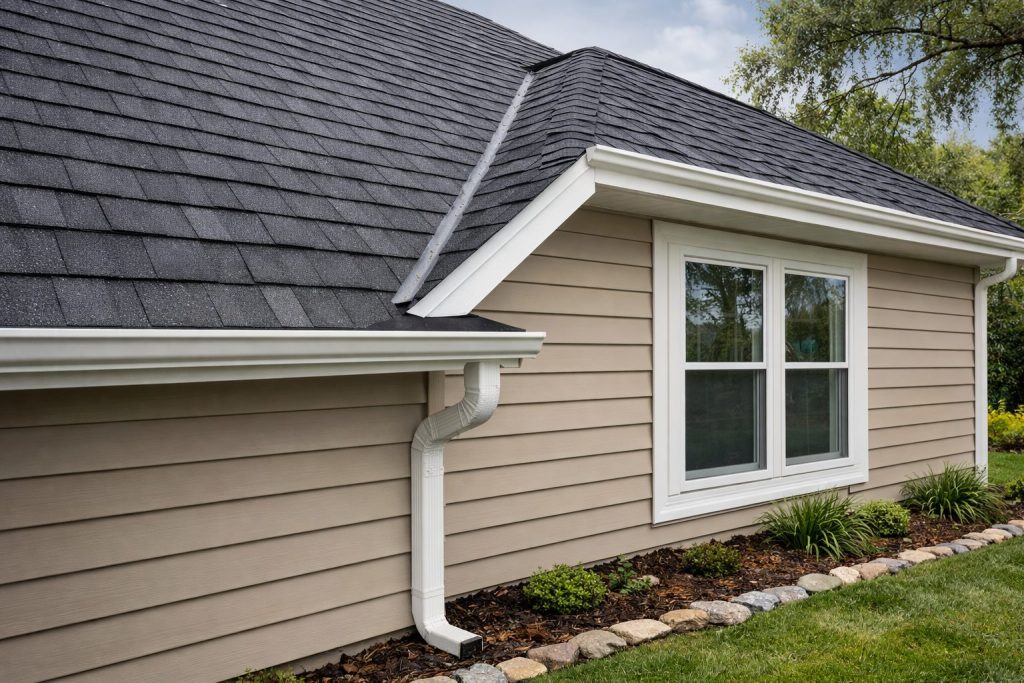
3. Gutter System Storm Damage Checklist
Your gutter system is responsible for directing rainwater away from your roof and foundation. If gutters become damaged, water may overflow and cause structural problems.
Inspect gutters for dents, detachment, or clogs, as these issues can prevent proper water flow. Check for standing water around the foundation or in gutters, since this can indicate drainage issues that may lead to water damage or indoor flooding.
Look for Detached Gutters
Heavy rainfall and wind can pull gutters away from the fascia boards.
Inspect for Dents or Cracks
Hail often leaves visible dents in metal gutters and downspouts.
Check for Blocked Downspouts
Debris such as leaves, twigs, and roofing granules may clog downspouts, preventing proper drainage.
Look for Sagging Gutters
Water weight combined with storm damage can cause gutters to sag or separate from mounting brackets.
Watch for Water Overflow
If water spills over the sides of gutters during rain, there may be blockages or damage that requires attention.
Properly functioning gutters help protect siding, landscaping, and foundations from water damage.
4. Siding Storm Damage Checklist
Siding protects your home’s walls from wind, moisture, and temperature changes. Storms can crack, loosen, or dent siding panels. Hurricane damage can also severely impact siding, making prompt repairs essential to prevent further issues. Be sure to remove any water damaged items from behind siding as soon as possible to prevent mold growth and additional structural damage.
Look for Cracks or Holes
Hail and debris can puncture siding materials, leaving openings for water infiltration.
Inspect for Warped Panels
Extreme winds or pressure changes may cause siding to warp or bend.
Check for Loose Siding
Wind can pull siding panels away from the house, exposing insulation and wall structures.
Look for Moisture Stains
Water stains, bubbling paint, or discoloration may indicate moisture behind siding panels.
Check for Missing Pieces
Severe storms may completely remove siding panels in extreme cases.
Damaged siding should be repaired quickly to prevent structural and insulation damage.
5. Inspect Other Exterior Components
Storm damage is not limited to major exterior systems. Several smaller components may also be affected.
Check the following areas:
- Roof vents
- Fascia boards
- Soffits
- Chimney caps
- Skylights
- Outdoor lighting fixtures
Damage to these areas can create entry points for water, pests, or debris.
What Types of Storms Cause Exterior Damage?
Different types of storms create different damage patterns. Hurricanes, in particular, are a severe type of storm that can cause significant damage to roofs and home exteriors, in addition to other weather events like hail, wind, and heavy rain.
Hail Storms
Hail impacts shingles, dents gutters, and cracks siding.
High Wind Storms
Wind can lift shingles, loosen siding panels, and detach gutters.
Heavy Rainstorms
Heavy rainfall exposes weak roof areas and may cause leaks.
Ice Storms
Ice accumulation adds weight to gutters and roofing materials, increasing stress on structural components.
Understanding storm types helps homeowners recognize potential damage patterns.
What To Do If You Find Storm Damage
If you identify damage during your inspection, take the following steps.
First, thoroughly document all storm damage with photos and notes for insurance purposes. Before making any repairs, take clear photos and videos of all affected areas to provide evidence for insurance claims. Create a written inventory of damaged items, and make a room-by-room list of damaged personal items, including estimated values, to support your insurance claim.
Contact your homeowners insurance provider and notify your insurance company immediately after discovering significant storm damage to begin the claims process. Review your insurance policy to understand your coverage, deductibles, and any specific requirements for storm-related damage.
It is advisable to hire a professional contractor or storm damage professional to conduct a comprehensive storm damage inspection and assessment. A storm damage restoration contractor can assist with inspections, provide insurance-related documentation, and help ensure all damage is properly addressed. Storm damage restoration services often include debris removal and water extraction, helping to secure your property and prevent further issues.
Taking these steps and working closely with your insurance company and qualified professionals will help streamline your insurance claims and ensure your home is restored properly.
Document the Damage
Take clear photos of all affected areas.
Prevent Additional Damage
Temporary tarps or coverings may help prevent further water intrusion until repairs can be made.
Contact a Storm Restoration Professional
Exterior restoration experts can inspect your home thoroughly and recommend repair or replacement solutions.
Review Your Insurance Coverage
Many homeowner policies cover storm damage, so proper documentation is important.
Why Acting Quickly Matters
Storm damage rarely improves on its own. Small problems can quickly grow into major structural issues.
Delaying repairs may lead to:
- Roof leaks
- Interior water damage
- Mold growth
- Insulation deterioration
- Increased repair costs
Addressing damage early helps protect your home and reduces long-term expenses.
Preventative Maintenance Tips
While storms cannot be prevented, homeowners can reduce damage risks with regular maintenance.
Schedule Annual Roof Inspections
Routine inspections help detect aging materials or minor damage.
Clean Gutters Regularly
Removing debris ensures proper water drainage.
Trim Nearby Trees
Overhanging branches can break during storms and damage roofing or siding.
Maintain Window Seals
Proper sealing helps prevent air leaks and water infiltration.
Replace Aging Exterior Materials
Older roofs and siding are more vulnerable to storm damage.
Proactive maintenance strengthens your home’s defense against severe weather.
Why Exterior Systems Must Work Together
Roofing, siding, gutters, and windows form a single protective barrier around your home.
When one component fails, others may be affected.
For example:
- Roof damage can cause gutter overflow
- Broken gutters can damage siding
- Siding damage can expose insulation
- Window leaks can allow interior moisture buildup
Comprehensive inspections ensure all exterior systems remain strong and functional.
Why Homeowners Choose 123 Exteriors for Storm Restoration
123 Exteriors specializes in repairing and restoring homes after storm damage.
Their experienced restoration teams inspect the entire exterior system to identify damage and recommend appropriate solutions.
Services may include:
- Roofing repair and replacement
- Siding repair and installation
- Window restoration
- Gutter replacement
Professional restoration ensures your home is properly protected and prepared for future storms.
Final Storm Damage Inspection Summary
After severe weather, inspect your home using this checklist.
Roof
✔ Missing shingles
✔ Granule loss
✔ Cracked shingles
✔ Flashing damage
✔ Attic leaks
Windows
✔ Cracked glass
✔ Broken seals
✔ Damaged frames
✔ Drafts
Gutters
✔ Detached sections
✔ Dents or cracks
✔ Blocked downspouts
✔ Sagging gutters
Siding
✔ Cracks or holes
✔ Loose panels
✔ Warping
✔ Moisture stains
Catching problems early helps protect your home from costly repairs later.
Get Your Instant Quote for Storm Damage Restoration
Storm damage can worsen quickly if repairs are delayed. If your home has experienced hail, wind, or severe weather, a professional exterior inspection can help identify hidden damage and restore your home’s protection.
123 Exteriors provides expert storm restoration services for roofing, siding, gutters, and windows.
Use the Instant Quote Tool today to receive a fast estimate for your exterior repair or restoration project.
Protect your home, restore your exterior systems, and ensure your property is ready for the next storm.
Popular Posts