
Illinois Roof Leaks: Preventing Roof Leaks During Rainy Seasons

Illinois Roof Leaks: Preventing Roof Leaks During Rainy Seasons
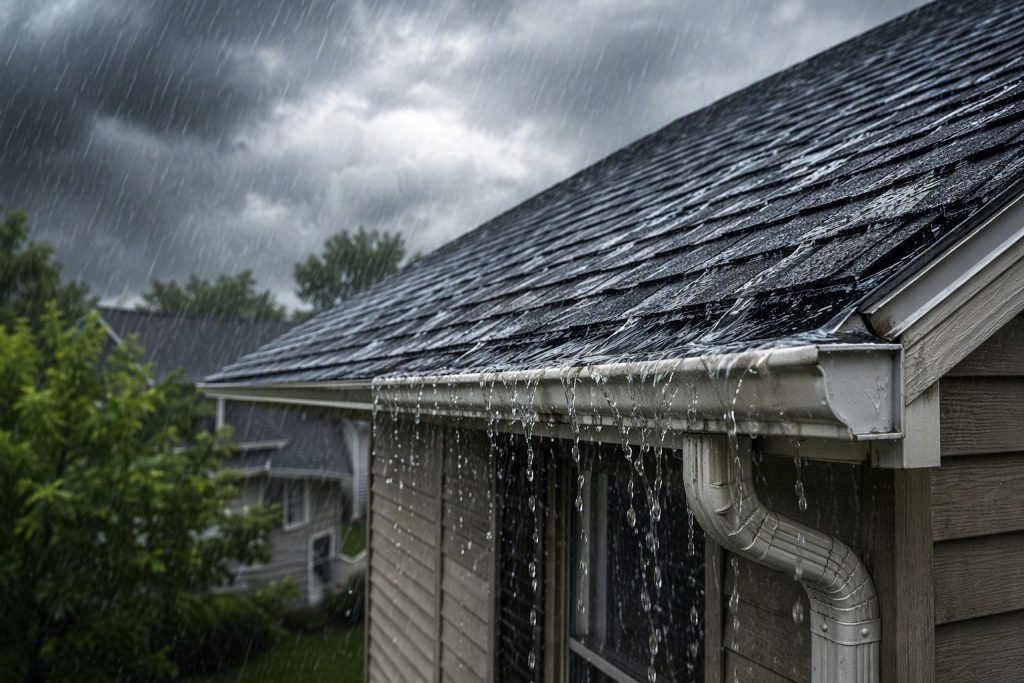
Illinois roof leaks are common because homes here face heavy rain, thunderstorms, hail, snow, and freeze-thaw cycles throughout the year. Illinois homeowners know that spring storms, summer downpours, fall rains, and winter moisture put constant stress on roofing materials, and even small issues can turn into water damage, mold, or structural repairs if they are ignored.
The good news is that most roof leaks are preventable. With regular inspections, timely maintenance, and professional roofing support, homeowners can reduce the risk of leaks, protect home value, and extend the lifespan of their roofs.
In this comprehensive guide, the roofing experts at 123 Exteriors explain what causes roof leaks in Illinois, how to spot warning signs early, what maintenance and attic ventilation help prevent problems, when storm damage repairs are needed, why professional inspections matter, and when a roof replacement may be the smarter long-term solution.
Why Roof Leaks Are Common in Illinois
Illinois experiences a wide range of weather conditions throughout the year. Roofs must withstand:
- Heavy spring rainfall
- Severe thunderstorms
- High winds
- Hailstorms
- Snow accumulation
- Ice dams
- Freeze-thaw cycles
- Summer heat and humidity
These weather conditions can weaken roofing materials over time. Small vulnerabilities such as lifted shingles, damaged flashing, or clogged gutters often go unnoticed until water begins entering the home.
Unfortunately, by the time homeowners see water stains on ceilings or walls, the underlying damage may already be extensive.
The Hidden Cost of Roof Leaks
Many homeowners underestimate the impact of a minor leak.
A small roof leak can lead to:
- Mold and mildew growth
- Damaged insulation
- Ceiling deterioration
- Electrical hazards
- Structural wood rot
- Increased energy bills
- Interior paint damage
- Damaged flooring and furniture
The longer a leak continues, the more expensive repairs become. Preventive maintenance is almost always more affordable than emergency restoration.
The Most Common Causes of Roof Leaks in Illinois
Understanding what causes leaks is the first step toward prevention.
1. Damaged or Missing Shingles
Shingles serve as the first line of defense against rain.
Over time, exposure to:
- Wind
- UV rays
- Hail
- Temperature fluctuations
can cause shingles to crack, curl, loosen, or completely detach from the roof.
When shingles are damaged, rainwater can penetrate the underlying roofing system and enter the home.
Warning Signs
- Missing shingles
- Cracked shingles
- Curled edges
- Granules collecting in gutters
- Visible roof patches
2. Flashing Failures
Roof flashing protects vulnerable areas where water can enter, including:
- Chimneys
- Skylights
- Roof valleys
- Vents
- Wall intersections
Flashing may become detached, corroded, or improperly sealed over time.
Even a tiny gap in flashing can allow substantial water intrusion during heavy rain.
Warning Signs
- Rusted metal flashing
- Gaps around roof penetrations
- Water stains near chimneys
- Visible deterioration around vents
3. Clogged Gutters and Downspouts
Gutters play a crucial role in directing water away from the roof.
When leaves, twigs, and debris accumulate, water can:
- Pool on the roof
- Back up beneath shingles
- Overflow near the foundation
- Cause fascia damage
Clogged gutters are among the most preventable causes of roof leaks.
Warning Signs
- Overflowing gutters
- Sagging sections
- Standing water
- Plants growing in gutters
4. Roof Valley Damage
Roof valleys are where two roof planes meet.
Because these areas channel large volumes of water during rainstorms, they experience greater wear than other sections of the roof.
Damaged valley flashing or deteriorated shingles can quickly result in leaks.
Warning Signs
- Debris buildup
- Missing valley shingles
- Water stains in attic spaces
5. Aging Roofing Materials
Every roof has a lifespan, and in Illinois, asphalt shingles are a cost-effective option for sloped roofs.
Approximate life expectancy:
- Asphalt shingles: 20–30 years
- Architectural shingles: 25–40 years
- Metal roofing: 40–70 years
Slate and tile roofing are durable options for upscale properties.
As roofing materials age, they lose their ability to repel water effectively.
If your roof is nearing the end of its expected service life, leak risks increase significantly.
6. Ice Dams and Winter Moisture
Illinois winters create unique roofing challenges.
Ice dams develop when:
- Snow melts on warmer roof sections.
- Water flows downward.
- Water refreezes near roof edges.
The resulting ice barrier traps additional melting water, forcing moisture beneath shingles.
This often leads to interior leaks during winter and early spring.
Prevention Tips
- Improve attic insulation
- Increase attic ventilation
- Remove excessive snow buildup
- Schedule winter roof inspections
How to Prevent Roof Leaks Before They Start
Preventive maintenance remains the most effective strategy for avoiding water damage.
Schedule Annual Professional Roof Inspection Services
A professional roofing inspection can identify issues before they become serious leaks.
Experts inspect:
- Shingles
- Flashing
- Roof valleys
- Vent boots
- Skylights
- Gutters
- Attic ventilation
An annual inspection is especially important after severe Illinois storms.
Best Inspection Times
- Spring
- Fall
- After major storms
Keep Gutters Clean Year-Round
Gutter maintenance protects both the roof and foundation.
Experts recommend cleaning gutters:
- In spring
- In late fall
- After severe storms
Proper gutter function allows rainwater to flow away efficiently.
Consider Gutter Guards
Gutter guard systems can reduce debris accumulation and minimize maintenance requirements.
Benefits include:
- Better drainage
- Less clogging
- Reduced water backup
- Longer gutter lifespan
Trim Nearby Tree Branches
Overhanging branches create multiple roofing hazards.
Trees can:
- Scratch shingles
- Drop debris
- Retain moisture
- Damage roofs during storms
Regular trimming reduces the risk of roof damage while also limiting gutter blockages.
Check Your Attic Regularly
Many roof leaks become visible in the attic before appearing inside living areas.
Look for:
- Dark water stains
- Mold growth
- Wet insulation
- Daylight penetrating roof boards
- Musty odors
Early detection can prevent expensive repairs.
Monitor Flashing and Sealants
Flashing and roof sealants deteriorate over time.
Pay special attention to:
- Chimneys
- Vent pipes
- Skylights
- Satellite mounts
Re-sealing vulnerable areas can prevent thousands of dollars in water damage.
Address Storm Damage Immediately
After an Illinois storm, even minor roof damage should be inspected.
Strong winds and hail can:
- Loosen shingles
- Create punctures
- Damage flashing
- Expose underlayment
Prompt repairs reduce the likelihood of leaks developing during the next rainfall.
Warning Signs Your Roof May Already Be Leaking
Not all leaks create visible drips immediately.
Homeowners should watch for:
Indoor Warning Signs
- Ceiling stains
- Wall discoloration
- Bubbling paint
- Peeling wallpaper
- Damp drywall
- Musty smells
Exterior Warning Signs
- Missing shingles
- Loose flashing
- Moss growth
- Roof sagging
- Damaged gutters
Attic Warning Signs
- Wet insulation
- Mold patches
- Water trails on wood framing
Ignoring these indicators can turn a simple repair into a major renovation project.
The Importance of Proper Attic Ventilation
Ventilation plays a crucial role in roof health.
Without adequate airflow:
- Moisture accumulates
- Mold develops
- Wood structures weaken
- Ice dams become more likely
A properly ventilated attic helps regulate temperature and moisture levels year-round.
Benefits include:
- Longer roof lifespan
- Lower energy costs
- Reduced condensation
- Improved indoor comfort
Why DIY Roof Leak Prevention Often Falls Short
Many homeowners attempt quick fixes using:
- Roofing cement
- Caulk
- Temporary patches
While these solutions may stop water briefly, they rarely address the root cause.
Roofing systems are complex, and leaks often originate far from where water becomes visible indoors.
Professional roofers have the expertise to:
- Locate hidden damage
- Diagnose underlying issues
- Perform lasting repairs
- Prevent future leaks
When to Consider a Roof Replacement
Sometimes repairs are no longer the most cost-effective solution.
A roof replacement may be the better option if:
- The roof is over 20 years old
- Repairs are becoming frequent
- Storm damage is extensive
- Leaks occur repeatedly
- Shingle deterioration is widespread
Under optimal conditions, roof replacement typically takes days, and pairing a new roof with a future solar energy system can improve long-term savings.
Modern roofing systems offer significant benefits:
- Enhanced weather resistance
- Improved energy efficiency
- Better curb appeal
- Higher property value
Choosing the Right Roofing Contractors in Illinois
Selecting a trusted local roofing company is essential.
Look for contractors who provide:
- Licensed and insured roofing services
- Local experience
- Detailed inspections
- Written estimates
- Warranty-backed workmanship
- Positive customer reviews
Working with experienced Illinois roofers ensures your roof is prepared for the state’s challenging weather conditions.
Why Illinois Homeowners Trust 123 Exteriors
At 123 Exteriors, we understand the unique roofing challenges Illinois homeowners face throughout the year.
Our team provides:
Professional Roof Inspections
Comprehensive evaluations to identify leak risks before damage occurs.
Roof Repairs
Fast, effective solutions for shingles, flashing, storm damage, and leaks.
Roof Replacements
High-quality roofing systems designed to withstand Illinois weather, including roof replacements and commercial roofing for owners who want high quality commercial roofing backed by a comprehensive warranty. In the Illinois roofing market, many companies specialize in work sized from 100 to over 100,000 square feet, and some commercial projects exceed 100,000 square feet. Single-ply membranes are energy-efficient for flat roofs on a commercial property. Fluid-applied systems create a seamless weather-resistant membrane that can enhance protection and help secure your investment. Free quotes are common for business owners, and financing for roof installation on commercial property may fit your budget with rates in the 8.5% to 9.5% range. Federal tax credits can exceed 30% for energy-efficient upgrades.
Storm Damage Restoration
Expert assistance following hailstorms, heavy rain, and severe wind events.
Insurance Claim Support
Guidance throughout the claims process to help homeowners maximize coverage.
Whether you need a minor repair or a complete roof replacement, our experienced team is committed to protecting your home.
Rainy seasons in Illinois can be tough on roofing systems, but leaks do not have to be inevitable.
By:
- Scheduling routine inspections
- Maintaining gutters
- Monitoring attic conditions
- Repairing storm damage promptly
- Working with trusted roofing professionals
you can significantly reduce the risk of costly water intrusion and protect your home’s value for years to come.
Taking preventive action today is always less expensive than dealing with extensive water damage tomorrow.
Get an Instant Roof Quote Today
Don’t wait for a leak to become an emergency.
- Fast Online Estimates
- Professional Local Roofing Experts
- Roof Repairs & Full Replacements
- Storm Damage Assessments
- Insurance Claim Assistance
Contact Your Local Roofers at 123 Exteriors
Popular Posts