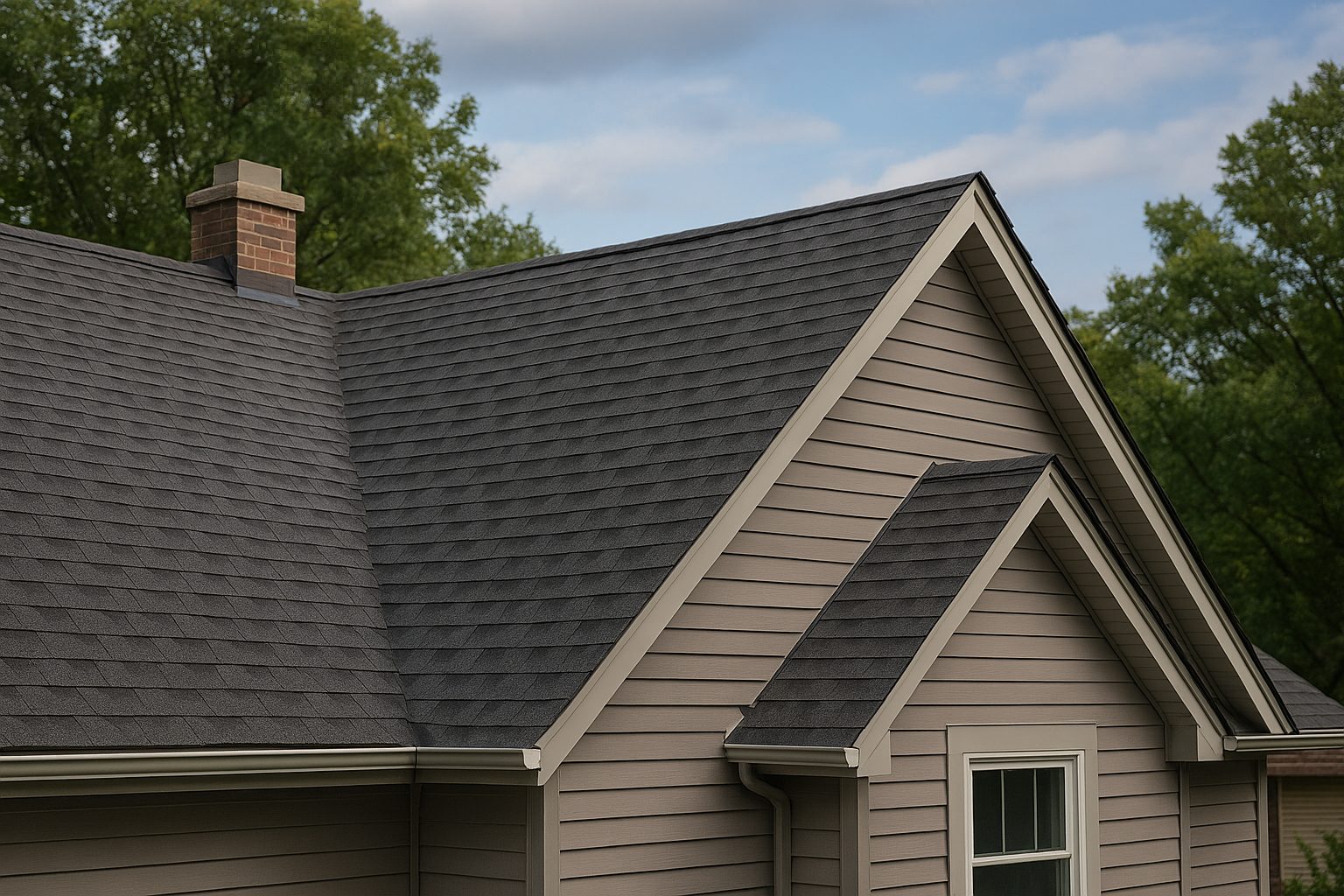

How Cleveland Homeowners Can Prevent Ice Dams and Roof Leaks This Winter

How Cleveland Homeowners Can Prevent Ice Dams and Roof Leaks This Winter
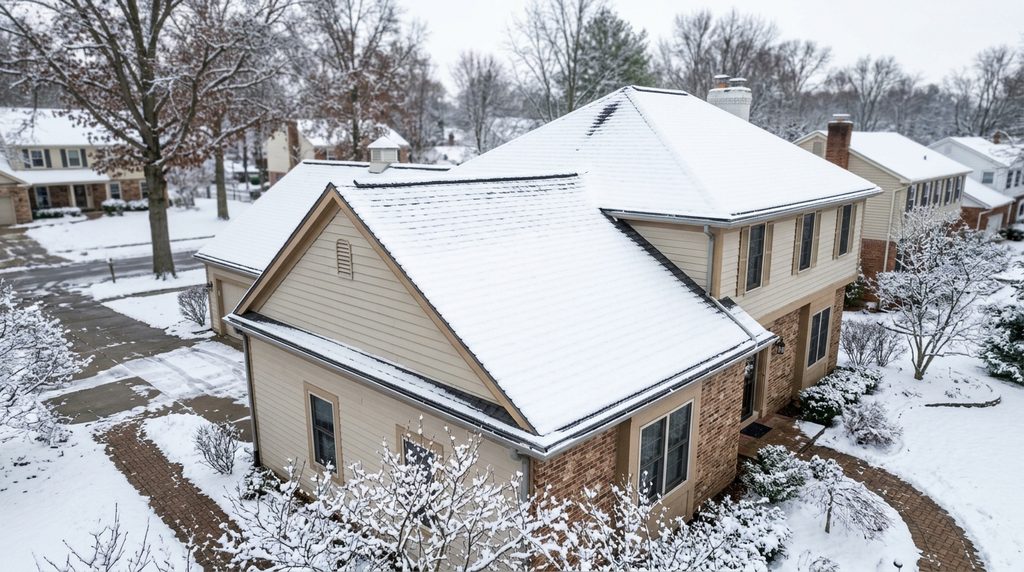
Winter in Cleveland can be beautiful, but for homeowners, it also brings a serious threat to roofs: ice dams and the costly roof leaks they cause. Heavy lake-effect snow, fluctuating temperatures, freezing rain, and prolonged cold spells create ideal conditions for ice buildup along roof edges. Once an ice dam forms, water can back up beneath shingles, seep into your home, damage insulation, stain ceilings, and lead to expensive structural repairs.
The good news is that ice dams are largely preventable. With the right combination of attic insulation, ventilation, roof maintenance, and professional inspections, Cleveland homeowners can significantly reduce their risk of winter roof damage.
In this guide, we’ll explain exactly what ice dams are, why they form, how they damage homes, and the most effective strategies to protect your roof throughout Northeast Ohio’s winter season.
What Is an Ice Dam?
An ice dam is a ridge of ice that forms along the edge of a roof, preventing melting snow from properly draining into gutters and downspouts.
Here’s how the process works:
- Snow accumulates on the roof.
- Heat escaping from the home warms sections of the roof.
- Snow begins to melt.
- Meltwater travels downward toward the colder roof edge.
- The water refreezes near the eaves.
- Ice continues building until a dam forms.
- Additional melted water becomes trapped behind the ice and can back up underneath roofing materials.
Once water gets beneath shingles, leaks can enter your attic, walls, ceilings, and insulation.
Why Ice Dams Are Common in Cleveland
Cleveland homeowners face a unique set of weather conditions that make ice dams especially common.
Heavy Snowfall
Lake Erie contributes significant lake-effect snowfall during winter months. Large snow accumulations increase the amount of melting and refreezing that occurs on residential roofs.
Freeze-Thaw Cycles
Northeast Ohio often experiences temperature swings above and below freezing. These cycles repeatedly melt snow and refreeze water along roof edges, accelerating ice dam formation.
Older Housing Stock
Many Cleveland-area homes were built decades ago and may have insufficient attic insulation, outdated ventilation systems, or aging roofing materials that contribute to ice dam problems.
Long Cold Seasons
Extended periods of freezing weather allow ice dams to grow larger and remain in place longer, increasing the risk of water intrusion.
Warning Signs of Ice Dams
The earlier you identify an ice dam problem, the more likely you can prevent severe roof damage.
Watch for these warning signs:
Large Icicles Along Gutters
While small icicles are normal, large clusters of thick icicles may indicate excessive melting occurring higher on the roof.
Ice Buildup at Roof Edges
Visible ridges of ice along eaves often signal an active ice dam.
Water Stains on Ceilings
Brown stains or discoloration can indicate moisture is entering through the roof system.
Peeling Paint
Moisture infiltration around walls and ceilings may cause paint or drywall damage.
Drafty Rooms
Uneven interior temperatures may indicate insulation deficiencies contributing to roof warming.
Mold or Mildew
Persistent moisture from winter leaks can create conditions for mold growth.
The Real Cost of Roof Leaks
Many homeowners underestimate the financial consequences of roof leaks caused by ice dams.
A relatively small leak can lead to:
- Damaged drywall
- Ruined insulation
- Wood rot
- Mold remediation costs
- Damaged flooring
- Electrical hazards
- Interior repainting
- Structural repairs
Even a minor leak that goes undetected can eventually result in thousands of dollars in repairs.
Investing in preventative roof maintenance is almost always less expensive than repairing water damage after the fact.
The Science Behind Ice Dam Formation
Understanding the root cause of ice dams helps homeowners take effective preventative action.
Contrary to popular belief, snow itself is not the enemy.
The primary problem is heat loss.
When warm air escapes from living spaces into the attic, it raises roof deck temperatures. Snow directly above the warmer portions of the roof begins melting even when outdoor temperatures remain below freezing.
The meltwater flows to colder sections near the eaves where it freezes again. Over time, this cycle creates a growing barrier of ice.
Therefore, the real solution is controlling heat transfer and maintaining a consistently cold roof surface.
How Proper Attic Insulation Prevents Ice Dams
One of the most effective strategies for preventing ice dams is improving attic insulation.
Quality insulation helps:
- Reduce heat loss
- Maintain uniform roof temperatures
- Improve energy efficiency
- Lower heating costs
- Reduce winter roof damage risk
Common Insulation Problems
Many homes have:
- Insufficient insulation depth
- Compressed insulation
- Gaps around fixtures
- Exposed attic flooring
- Missing insulation near eaves
Recommended Attic Insulation Levels
In Northeast Ohio, many homes benefit from attic insulation levels equivalent to R-49 to R-60 depending on home design and construction.
A professional attic evaluation can determine whether your insulation levels meet modern energy-efficiency standards.
Why Roof Ventilation Matters
Attic ventilation works together with insulation to maintain a cold roof surface.
Proper ventilation allows cold outdoor air to circulate beneath the roof deck.
Without adequate airflow:
- Attic temperatures rise
- Snow melts faster
- Ice dams become more likely
A balanced ventilation system often includes:
Soffit Vents
These intake vents draw fresh air into the attic.
Ridge Vents
Located along the roof peak, ridge vents allow warm air to escape.
Gable Vents
Some homes also utilize gable-end ventilation systems.
Professional roofing contractors can assess whether your ventilation system adequately supports winter performance.
Air Sealing: The Missing Piece
Even well-insulated attics can experience heat loss through air leaks.
Common leak locations include:
- Recessed lights
- Plumbing penetrations
- Electrical openings
- Chimney chases
- Attic access hatches
- HVAC penetrations
Air sealing these areas often provides immediate improvements in thermal performance and helps prevent snow melt on the roof.
Keep Gutters Clean Before Winter
Clogged gutters can worsen ice dam formation.
Leaves, sticks, and debris obstruct drainage, allowing water to pool and freeze more easily.
Homeowners should schedule gutter cleaning before the first significant snowfall.
Benefits include:
- Better drainage
- Reduced ice accumulation
- Improved roof protection
- Less gutter damage
Many roof inspections include gutter evaluations as part of overall winter preparedness assessments.
Trim Nearby Trees
Overhanging branches can contribute to roof issues during winter.
Trees may:
- Deposit debris into gutters
- Drop branches during storms
- Create uneven snow accumulation
- Cause roof damage during ice events
Pruning branches away from the roof can help reduce winter risks while also protecting shingles from unnecessary wear.
Remove Excess Snow Safely
After major snowstorms, some homeowners choose to remove excess snow from roof edges.
Using a roof rake from ground level can help reduce snow loads and minimize ice dam formation.
However, homeowners should avoid:
- Climbing onto icy roofs
- Using sharp tools on shingles
- Chipping away ice
- Using salt products that may damage roofing materials
When significant ice dams develop, professional removal is often the safest option.
Why DIY Ice Dam Removal Can Be Dangerous
Many homeowners attempt to break apart ice dams themselves.
Unfortunately, DIY removal often causes more harm than good.
Common mistakes include:
- Damaging shingles
- Breaking gutters
- Cracking flashing
- Creating new leak pathways
- Risking personal injury from falls
Professional roofing companies use specialized techniques that minimize damage while addressing ice accumulation safely.
The Role of Roofing Materials
Some roofing systems perform better than others during harsh winter conditions.
Asphalt Shingles
Modern architectural shingles generally provide excellent protection when properly installed.
Metal Roofing
Metal roofs naturally shed snow more efficiently, reducing opportunities for ice dam formation.
Ice and Water Shield
One of the most important protective measures is a waterproof membrane installed beneath shingles near roof edges and vulnerable areas.
Ice and water shield provides a secondary barrier that helps prevent leaks even if an ice dam forms.
How Roof Age Affects Winter Performance
Older roofs are generally more susceptible to winter damage.
Warning signs of an aging roof include:
- Missing shingles
- Curling shingles
- Granule loss
- Flashing deterioration
- Frequent repairs
- Multiple leak locations
If your roof is approaching the end of its service life, a professional inspection can determine whether repairs or replacement would provide better long-term protection.
Common Areas Where Roof Leaks Begin
Ice dam leaks do not always occur directly beneath visible ice accumulation.
Roof leaks frequently develop around:
Chimneys
Damaged flashing around chimneys creates opportunities for water intrusion.
Skylights
Improper sealing can allow water penetration during freeze-thaw cycles.
Roof Valleys
Valleys carry large amounts of runoff and often experience significant ice buildup.
Roof Penetrations
Vents, pipes, and exhaust outlets require properly maintained flashing systems.
Dormers
The multiple transitions and intersections found around dormers can create vulnerable areas during winter weather.
The Value of a Professional Roof Inspection
One of the smartest steps Cleveland homeowners can take before winter is scheduling a professional roof inspection.
A comprehensive inspection can identify:
- Loose shingles
- Damaged flashing
- Ventilation deficiencies
- Insulation concerns
- Gutter issues
- Potential leak points
- Existing storm damage
Addressing these concerns before snow arrives can help homeowners avoid emergency repairs during the coldest months of the year.
What Happens During a Professional Roof Inspection?
A quality inspection typically includes:
Exterior Evaluation
Roofing professionals assess:
- Shingles
- Flashing
- Gutters
- Drainage systems
- Roof penetrations
Attic Assessment
Inspectors evaluate:
- Ventilation
- Insulation
- Moisture levels
- Air leakage
- Signs of existing water damage
Documentation
Professional reports help homeowners understand their roof’s condition and prioritize maintenance or repair needs.
Additional Winter Roofing Tips for Cleveland Homeowners
Here are several proactive measures that can help reduce winter roofing issues:
Check Attic Temperatures
Your attic should remain close to outdoor temperatures during winter.
Address Leaks Immediately
Small leaks can quickly become major problems during prolonged freezing weather.
Inspect After Storms
Heavy snow and ice storms can damage roofing materials without being immediately obvious.
Monitor Indoor Humidity
Excess humidity can contribute to attic condensation issues.
Schedule Annual Inspections
Preventative maintenance is one of the most cost-effective investments homeowners can make.
Frequently Asked Questions About Ice Dams
Can ice dams happen on a new roof?
Yes. Even newly installed roofs can develop ice dams if insulation, ventilation, or air sealing issues exist.
Do gutters cause ice dams?
Gutters do not directly cause ice dams, but clogged or damaged gutters can make drainage problems worse.
Are icicles always a sign of an ice dam?
Not necessarily. However, large or recurring icicles often indicate heat loss and should be investigated.
Can roof leaks stop when temperatures rise?
Some leaks appear only during freeze-thaw cycles, making them difficult to identify without a professional inspection.
Is roof replacement necessary to stop ice dams?
Not always. Many homes can significantly reduce ice dam formation through improvements to insulation, ventilation, and air sealing.
Why Cleveland Homeowners Trust 123 Exteriors
Protecting your home during Northeast Ohio winters requires more than just quality roofing materials. It takes local expertise, detailed inspections, and solutions designed specifically for Cleveland’s climate.
At 123 Exteriors, our experienced roofing professionals understand the challenges caused by lake-effect snow, freezing rain, heavy ice accumulation, and winter storms. We help homeowners identify potential problems before they become expensive emergencies.
Whether you’re concerned about ice dams, roof leaks, aging shingles, attic ventilation, or storm damage, our team can provide a thorough assessment and clear recommendations tailored to your home.
Get Ahead of Winter Roof Problems Today
The best time to prevent roof leaks is before winter weather causes damage.
If you want peace of mind this season, schedule a professional roof inspection with 123 Exteriors. Our team can identify vulnerabilities, recommend cost-effective solutions, and help ensure your roof is prepared for Cleveland’s toughest winter conditions.
Get Your Free Online Quote Today
Ready to protect your home from ice dams and winter roof leaks?
Use our easy Online Quote Tool to receive a fast, convenient estimate for your roofing needs.
Get a roofing estimate online in minutes
Schedule a professional roof inspection
Identify potential winter roofing issues early
Protect your home from costly water damage
Work with trusted local roofing experts
Contact 123 Exteriors today to book your roof inspection and get your free online quote. Don’t wait until a small winter leak becomes a major repair bill.
Take action now and keep your Cleveland home protected all season long.
Popular Posts

Choosing Wind Resistant Roofing Iowa for Homes