
How Chicago Storms Impact Roof Longevity: What Every Homeowner Needs to Know

How Chicago Storms Impact Roof Longevity: What Every Homeowner Needs to Know
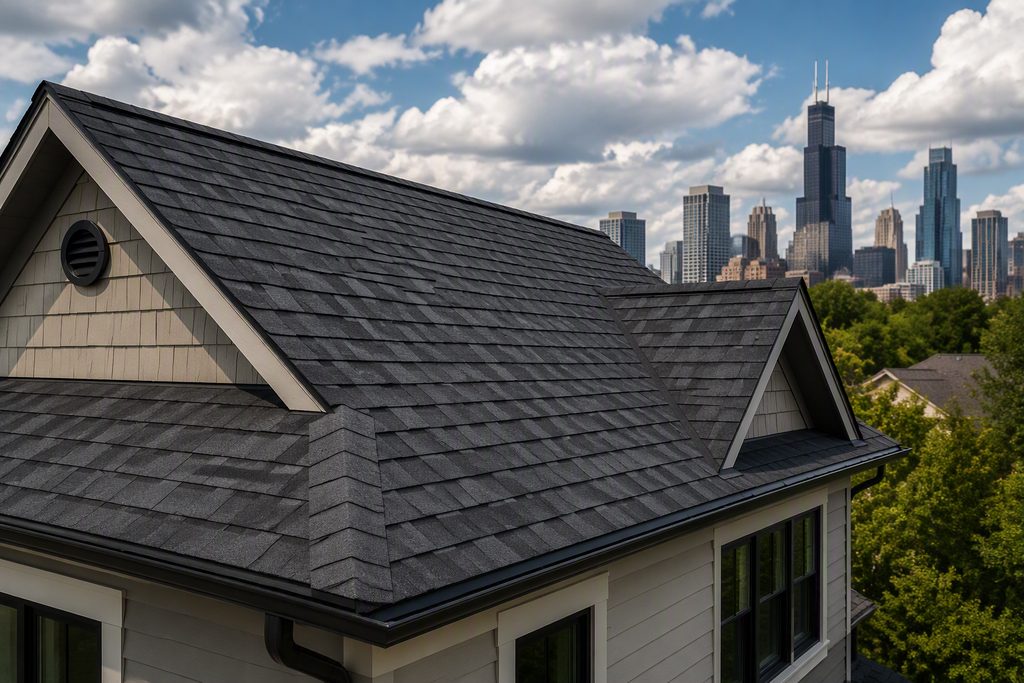
Chicago homeowners know that the city’s weather can be unpredictable, harsh, and unforgiving, especially when there are storms. From severe thunderstorms and hailstorms in the spring and summer to heavy snow, ice dams, and freezing temperatures during winter, Chicago roofs face constant exposure to extreme weather conditions throughout the year.
While every roof is designed to withstand the elements, repeated storm activity can significantly reduce its lifespan. Many homeowners are unaware that even minor storm damage can gradually compromise a roof’s structural integrity, leading to leaks, mold growth, insulation damage, and expensive repairs if left unchecked.
Understanding how Chicago storms impact roof longevity is essential for protecting your investment and ensuring your home remains safe year-round. In this guide, we’ll explore the types of storm damage common in Chicago, how weather affects roofing materials, warning signs to watch for, and what homeowners can do to maximize the life of their roofing system.
If you suspect storm damage, 123 Exteriors provides professional roof inspections, repairs, and replacements throughout the Chicago area. Contact us today for a fast quote and expert storm damage assessment.
Why Chicago Weather Is Tough on Roofs
Chicago experiences some of the most demanding weather conditions in the Midwest. A roof may endure:
- Powerful thunderstorms
- High winds
- Hail impacts
- Heavy rainfall
- Snow accumulation
- Ice dams
- Freeze-thaw cycles
- Extreme temperature fluctuations
Unlike regions with relatively stable climates, Chicago roofs often experience multiple forms of weather stress in a single season. These repeated weather events accelerate wear and tear and shorten a roof’s expected lifespan.
For example, an asphalt shingle roof designed to last 25 to 30 years may experience premature deterioration when regularly exposed to severe storms and fluctuating temperatures.
The key challenge isn’t always one major storm. Often, roof damage accumulates gradually through repeated exposure to weather events that weaken roofing materials over time.
The Impact of High Winds on Roof Longevity
Wind Damage Is More Serious Than It Appears
Chicago storms frequently produce wind gusts strong enough to damage roofing systems. Even moderate wind events can loosen materials and create vulnerabilities.
Strong winds can:
- Lift shingles
- Break roof seals
- Remove granules from shingles
- Damage flashing
- Dislodge vents
- Pull gutters away from the roofline
When shingles loosen, they expose the underlying layers of the roofing system to moisture infiltration. Once water penetrates beneath the surface, the roof deck becomes vulnerable to rot and structural damage.
Repeated Wind Exposure Accelerates Aging
Many homeowners assume that missing shingles are the only indicator of wind damage. However, repeated wind stress can weaken shingles long before visible damage occurs.
Over time, wind causes:
- Curling shingle edges
- Cracked shingles
- Broken adhesive bonds
- Reduced water resistance
This gradual degradation can significantly reduce the lifespan of the roof and increase the likelihood of leaks during future storms.
How Hailstorms Damage Chicago Roofs
Hail Creates Immediate and Hidden Damage
Chicago experiences frequent hailstorms during the warmer months. Hail can range from pea-sized pellets to golf ball-sized ice impacts capable of causing severe roof damage.
When hail strikes a roof, it can:
- Fracture shingles
- Crack tiles
- Dent metal roofing
- Damage flashing
- Expose underlayment
- Reduce weather resistance
The damage may not always be visible from the ground. Even minor hail impacts can compromise the protective surface layer of roofing materials.
Granule Loss Weakens Asphalt Shingles
Asphalt shingles rely on protective granules to shield against UV rays and weather exposure.
Hail impacts often knock off these granules, leaving shingles exposed. Without adequate granule protection:
- UV deterioration accelerates
- Cracking increases
- Water penetration becomes more likely
- Roof lifespan decreases
Over time, hail-damaged shingles may deteriorate years earlier than expected.
Heavy Rain and Moisture-Related Roof Problems
Water Is a Roof’s Biggest Enemy
Rain itself may not seem destructive, but sustained moisture can be devastating when a roof is compromised.
Heavy Chicago storms often produce intense rainfall that tests every component of a roofing system.
When roofs develop vulnerabilities, rainwater can infiltrate through:
- Damaged shingles
- Cracked flashing
- Open seams
- Roof penetrations
- Vent openings
Even a small leak can create significant problems over time.
Hidden Moisture Damage
Water intrusion can affect:
Roof Decking
Moisture weakens wood decking and structural supports.
Attic Insulation
Wet insulation loses effectiveness and increases energy costs.
Interior Ceilings and Walls
Leaks can damage drywall, paint, and ceiling materials.
Mold Growth
Persistent moisture creates ideal conditions for mold and mildew.
Many homeowners discover water damage months after a storm, when repair costs have increased substantially.
How Snow and Ice Affect Roof Lifespan
The Weight of Snow
Chicago winters can bring substantial snowfall accumulation.
A roof supporting heavy snow loads experiences significant stress. Excessive weight can contribute to:
- Structural strain
- Sagging roof sections
- Increased leak potential
- Gutter damage
Older roofs are particularly vulnerable to snow-related stress.
Ice Dams: A Major Winter Threat
Ice dams occur when heat escaping from the attic melts rooftop snow.
As melted snow flows downward and refreezes near colder roof edges, it forms a barrier that prevents proper drainage.
This trapped water can back up beneath shingles and enter the home.
Ice dams commonly cause:
- Water leaks
- Ceiling stains
- Insulation damage
- Mold growth
- Premature roof deterioration
Year after year, ice dam formation can significantly shorten roof life if preventative measures are not taken.
Freeze-Thaw Cycles and Roof Deterioration
One of Chicago’s most overlooked roofing challenges is the freeze-thaw cycle.
Here’s what happens:
- Snow or rain enters small roof cracks.
- Temperatures drop.
- Water freezes and expands.
- Cracks become larger.
- Additional moisture enters.
- The cycle repeats.
This constant expansion and contraction process gradually damages roofing materials.
Affected areas may include:
- Shingles
- Flashing
- Underlayment
- Roof decking
- Chimney flashing systems
Freeze-thaw damage often develops slowly but can eventually lead to major repairs.
UV Exposure After Storms
While storms receive most of the attention, sunlight also contributes to roof aging.
After storms strip away protective granules and damage roofing surfaces, UV exposure accelerates deterioration.
Extended sunlight can cause:
- Drying and cracking
- Fading
- Material brittleness
- Loss of flexibility
Damaged roofing materials become less capable of resisting future storms, creating a damaging cycle that shortens roof lifespan.
Common Signs of Storm Damage Homeowners Should Watch For
Many forms of roof damage are difficult to identify without a professional inspection. However, homeowners should remain alert for warning signs.
Exterior Warning Signs
Look for:
- Missing shingles
- Curling shingles
- Cracked shingles
- Lifted roof edges
- Granules in gutters
- Dented flashing
- Damaged gutters
- Fallen roofing materials
Interior Warning Signs
Inside your home, watch for:
- Ceiling stains
- Water spots
- Peeling paint
- Mold growth
- Attic moisture
- Unusual drafts
- Increased energy bills
Even small indicators may signal underlying storm-related damage.
How Storm Damage Shortens Roof Life
A roof functions as an interconnected system.
When one component is damaged, the entire system becomes more vulnerable.
Storm damage can shorten roof lifespan through:
Accelerated Material Breakdown
Damaged shingles deteriorate faster than intact materials.
Increased Moisture Exposure
Water intrusion causes structural deterioration.
Reduced Energy Efficiency
Damaged roofing systems allow heat transfer and air leakage.
Compounded Damage
Minor storm damage often worsens during subsequent storms.
A roof expected to last three decades may require replacement much sooner if storm damage goes unaddressed.
The Importance of Professional Roof Inspections After Chicago Storms
Damage Isn’t Always Visible
One of the most common mistakes homeowners make is assuming no visible problems means no damage exists.
Storm-related roofing issues often remain hidden until leaks develop.
A professional inspection can identify:
- Hail impact damage
- Wind uplift issues
- Flashing problems
- Water entry points
- Structural concerns
- Early signs of roof failure
Early detection often saves homeowners thousands of dollars in repair costs.
Insurance Claim Support
Storm-related damage may qualify for insurance coverage.
Professional inspections provide documentation that can support insurance claims and help homeowners understand the extent of the damage.
Preventative Maintenance for Longer Roof Life
The best way to combat Chicago weather is through proactive maintenance.
Schedule Annual Inspections
Routine inspections help identify small issues before they become major problems.
Keep Gutters Clean
Proper drainage prevents water backup and ice dam formation.
Trim Nearby Trees
Branches can damage roofing materials during storms and high winds.
Address Repairs Immediately
Prompt repairs prevent damage from spreading throughout the roofing system.
Improve Attic Ventilation
Proper ventilation reduces heat buildup and helps prevent ice dams.
Why Choosing the Right Roofing Contractor Matters
Not all roofing companies understand the specific challenges Chicago weather presents.
Working with an experienced local contractor ensures:
- Accurate storm damage assessments
- High-quality materials
- Proper installation techniques
- Insurance claim assistance
- Long-term roofing performance
A knowledgeable roofing professional can recommend solutions designed specifically for Chicago’s climate conditions.
Why Homeowners Trust 123 Exteriors
At 123 Exteriors, we understand how Chicago storms impact roofs because we see the results every day.
Our team specializes in:
- Storm damage inspections
- Roof repairs
- Roof replacement
- Hail damage restoration
- Wind damage repair
- Insurance claim assistance
- Residential roofing solutions
We provide thorough evaluations, honest recommendations, and exceptional craftsmanship to help homeowners protect their investment.
Whether your roof has experienced recent storm damage or you’re simply looking for peace of mind, our experienced team is here to help.
Protect Your Roof Before the Next Chicago Storm
Chicago weather is unavoidable, but major roofing problems don’t have to be.
The sooner storm damage is identified, the easier and more affordable it is to address. Ignoring minor roofing issues today can lead to significant repairs or premature roof replacement in the future.
If your home has recently experienced heavy rain, hail, wind, snow, or severe weather, now is the time to schedule a professional inspection.
Get a Fast Roofing Quote Today
Don’t wait until a small roofing issue becomes a costly emergency.
Schedule a Professional Roof Inspection
Get a Fast, No-Obligation Quote
Protect Your Home From Future Storm Damage
Work With Chicago’s Trusted Roofing Experts
Contact 123 Exteriors Today
Our team is ready to inspect your roof, identify storm-related issues, and provide affordable solutions tailored to your home’s needs.
Call 123 Exteriors today, book your inspection, and get a fast quote to keep your Chicago home protected year-round.
Popular Posts