
Common Roof Damage Caused by Chicago’s Severe Weather: What Every Chicago Homeowner Needs to Know

Common Roof Damage Caused by Chicago’s Severe Weather: What Every Chicago Homeowner Needs to Know
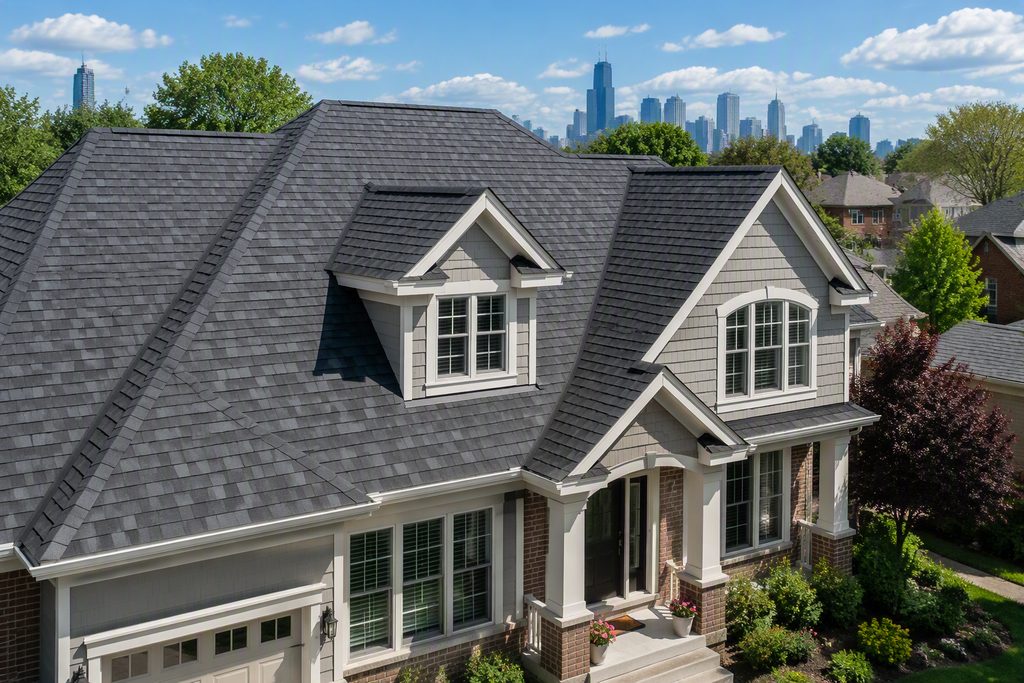
Chicago homeowners know that the weather can change quickly and dramatically. From heavy snow and ice in winter to powerful thunderstorms, hail, high winds, and torrential rain throughout the year, roofs in the Chicago area face constant exposure to some of the harshest weather conditions in the Midwest. While your roof is designed to protect your home, severe weather can gradually weaken roofing materials or cause sudden damage that leads to costly repairs if left unchecked.
Understanding the most common types of roof damage caused by Chicago’s severe weather can help homeowners identify problems early, protect their property, and avoid expensive structural issues down the road. In this guide, the roofing experts at 123 Exteriors explain the most frequent weather-related roofing issues, warning signs to watch for, and steps you can take to keep your roof in top condition.
If you suspect storm damage or have concerns about your roof’s condition, contact 123 Exteriors for a professional inspection and fast, reliable service.
Why Chicago Weather Is Tough on Roofs
Chicago experiences a unique combination of weather extremes throughout the year. Unlike regions that deal primarily with one weather-related threat, Chicago roofs must endure multiple challenges across all four seasons.
These conditions include:
- Heavy snowfall
- Ice dams
- Freezing and thawing cycles
- High winds
- Hailstorms
- Severe thunderstorms
- Heavy rainfall
- Extreme temperature fluctuations
- Falling tree branches
- UV exposure during summer months
Each weather event places stress on roofing systems in different ways. Over time, even minor damage can compromise your roof’s ability to protect your home from water intrusion, mold growth, insulation damage, and structural deterioration.
1. Wind Damage to Roofing Materials
Strong winds are among the most common causes of roof damage in the Chicago area. Severe storms can produce wind gusts that lift, bend, loosen, or completely remove roofing materials.
How Wind Damages Roofs
When wind flows over your roof, it creates pressure that can pull shingles upward. If shingles are already aging or improperly installed, they become more vulnerable to lifting and detachment.
Common signs of wind damage include:
- Missing shingles
- Curling shingles
- Lifted shingle edges
- Exposed roofing nails
- Loose flashing
- Missing ridge caps
Wind damage is particularly dangerous because it may create openings that allow moisture to penetrate beneath the roofing system.
Why Immediate Repairs Matter
Even a few missing shingles can expose underlayment and decking to water damage. What appears to be a minor issue can quickly escalate into leaks, mold, and rot.
After any major windstorm, scheduling a professional roof inspection can help identify hidden damage before it worsens.
2. Hail Damage
Hailstorms are a frequent concern for homeowners throughout the Chicago metropolitan area. Large hailstones can cause significant damage to roofing materials within minutes.
What Hail Does to a Roof
When hail strikes a roof, it can:
- Crack shingles
- Knock away protective granules
- Dent metal roofing components
- Damage flashing
- Create weak spots that lead to leaks
Asphalt shingles are especially susceptible because hail impacts can reduce their protective capabilities and accelerate aging.
Signs of Hail Damage
Many homeowners don’t immediately notice hail damage because the effects may not be obvious from the ground.
Look for:
- Dark spots on shingles
- Excessive granules in gutters
- Circular impact marks
- Cracked or split shingles
- Denting on vents or gutters
Professional inspections are often necessary to identify the full extent of hail-related damage.
3. Ice Dams During Winter
Chicago winters create ideal conditions for ice dam formation.
What Is an Ice Dam?
An ice dam occurs when snow on the roof melts due to heat escaping from the house. The melted water runs toward the edge of the roof, where colder temperatures cause it to refreeze.
Over time, a ridge of ice forms and blocks proper drainage.
Problems Caused by Ice Dams
When water backs up behind an ice dam, it can seep beneath shingles and enter the home.
Potential issues include:
- Roof leaks
- Damaged insulation
- Mold growth
- Ceiling stains
- Interior water damage
- Wood rot
Preventing Ice Dams
Proper attic insulation and ventilation play a critical role in preventing ice dams. Routine roof maintenance also helps eliminate vulnerabilities that may allow moisture penetration.
4. Roof Leaks from Heavy Rain
Severe rainstorms can expose weaknesses in your roofing system quickly.
While a properly maintained roof should handle heavy rainfall effectively, damaged or aging roofs often struggle when large amounts of water accumulate.
Vulnerable Areas for Water Intrusion
Roof leaks frequently occur around:
- Chimneys
- Skylights
- Roof valleys
- Vents
- Flashing
- Pipe penetrations
During severe storms, rain may exploit even the smallest opening.
Signs of a Roof Leak
Watch for:
- Water stains on ceilings
- Peeling paint
- Damp attic insulation
- Mold growth
- Musty odors
- Dripping water during storms
Prompt repairs can prevent small leaks from becoming major restoration projects.
5. Damage From Snow Accumulation
Chicago receives significant snowfall each winter, and excessive snow loads can place substantial stress on roofing systems.
How Snow Causes Roof Damage
Heavy snow accumulation can:
- Overload roof structures
- Cause sagging
- Damage shingles
- Increase ice dam formation
- Lead to water infiltration
Older roofs are especially vulnerable when multiple snowstorms occur without sufficient melting between events.
Warning Signs
Homeowners should watch for:
- Sagging rooflines
- Cracking indoors
- New ceiling stains
- Doors or windows that become difficult to open
These signs may indicate structural stress requiring immediate attention.
6. Freeze-Thaw Cycle Damage
One of the most destructive weather patterns in Chicago involves repeated freezing and thawing.
How Freeze-Thaw Cycles Affect Roofs
Water enters small cracks or vulnerable roofing areas. When temperatures drop, the water freezes and expands.
As the cycle repeats, cracks widen and roofing materials deteriorate.
This process can lead to:
- Shingle cracking
- Flashing separation
- Masonry deterioration
- Moisture intrusion
- Structural damage
Because freeze-thaw damage develops gradually, routine inspections are essential for detecting problems early.
7. Flashing Damage
Flashing is a critical roofing component that seals joints and transitions.
You’ll commonly find flashing around:
- Chimneys
- Skylights
- Roof valleys
- Vent pipes
- Dormers
Weather-Related Flashing Problems
Chicago’s weather can cause flashing to:
- Warp
- Crack
- Corrode
- Loosen
- Separate from roofing materials
Once flashing fails, water can quickly enter the home.
Why Flashing Maintenance Is Critical
Even if shingles remain intact, damaged flashing can leave your home vulnerable to significant water damage.
Many roof leaks originate from flashing failures rather than shingle problems.
8. Tree Damage From Storms
Powerful thunderstorms can transform nearby trees into roofing hazards.
Common Tree-Related Roof Damage
Strong winds may cause:
- Falling limbs
- Tree impacts
- Scratches from branches
- Gutter damage
- Shingle destruction
Even branches that do not fall completely can scrape roofing materials during high winds.
Preventive Measures
Homeowners should regularly trim trees near their homes and remove dead branches before severe weather arrives.
Preventive tree maintenance can significantly reduce storm-related damage risks.
9. Gutter Damage and Drainage Problems
Your gutters play a major role in protecting the roof and foundation.
Severe weather can damage gutter systems through:
- Ice buildup
- Heavy rainfall
- Falling debris
- Wind damage
Consequences of Damaged Gutters
Improper drainage may cause:
- Roof edge deterioration
- Fascia damage
- Water overflow
- Foundation issues
- Basement leaks
Maintaining clean, functional gutters helps preserve the entire roofing system.
10. UV and Heat Damage During Summer
Although winter weather receives much of the attention, Chicago summers can also contribute to roof deterioration.
Effects of UV Exposure
Extended sun exposure can:
- Dry roofing materials
- Cause cracking
- Accelerate aging
- Fade shingles
- Reduce flexibility
Combined with temperature fluctuations, UV damage gradually weakens roofing systems over time.
Long-Term Impact
Even if storm damage isn’t immediately visible, years of sun exposure can make roofs more susceptible to future weather-related problems.
Hidden Roof Damage Homeowners Often Miss
Many forms of weather-related roof damage aren’t immediately obvious.
Some issues develop beneath shingles or inside attic spaces.
Common hidden problems include:
- Wet insulation
- Mold growth
- Decking deterioration
- Small flashing failures
- Minor punctures
- Slow leaks
Because these problems often go unnoticed until substantial damage occurs, regular inspections are one of the smartest investments homeowners can make.
When Should You Schedule a Roof Inspection?
Many homeowners wait until they notice a leak before calling a roofing professional.
Unfortunately, by that point, water damage may already be widespread.
Consider scheduling an inspection:
- After major hailstorms
- After high-wind events
- Following heavy snowfall
- After severe thunderstorms
- If your roof is over 10 years old
- Before buying or selling a home
- If you notice missing shingles
- When interior water stains appear
Routine inspections help identify minor wear before it develops into costly repairs.
The Importance of Fast Storm Damage Repairs
Time is critical when addressing weather-related roof damage.
Even small problems can worsen rapidly due to continued exposure to Chicago’s climate.
Delaying repairs can lead to:
- Structural damage
- Increased repair costs
- Mold remediation expenses
- Energy inefficiency
- Interior damage
- Reduced home value
Quick action protects both your roof and the overall integrity of your home.
Professional Roof Repair vs. DIY Repairs
Some homeowners attempt to repair storm damage themselves.
However, roofing work can be dangerous and may lead to incomplete repairs if underlying issues are overlooked.
Professional roofing contractors provide:
- Thorough inspections
- Accurate damage assessments
- Quality repairs
- Proper safety procedures
- Insurance claim assistance
- Long-term solutions
Working with experienced professionals helps ensure your roof receives the repairs necessary to withstand future storms.
How 123 Exteriors Helps Chicago Homeowners
At 123 Exteriors, we understand the challenges Chicago weather creates for roofing systems. Our experienced team specializes in identifying, repairing, and preventing weather-related roof damage for homeowners throughout the Chicagoland area.
Our services include:
Roof Inspections
Comprehensive evaluations to identify visible and hidden storm damage.
Roof Repairs
Fast and effective repairs for wind, hail, leak, and weather-related issues.
Roof Replacements
High-quality roofing systems designed to withstand Chicago’s demanding climate.
Storm Damage Assessments
Detailed inspections following severe weather events.
Insurance Claim Support
Helping homeowners navigate the insurance process after storm damage occurs.
We focus on quality workmanship, honest recommendations, and exceptional customer service on every project.
How to Protect Your Roof Year-Round
Preventive maintenance remains one of the best ways to extend roof life and reduce repair costs.
Here are several proactive steps homeowners can take:
Inspect Your Roof Regularly
Look for missing shingles, debris, and visible damage.
Keep Gutters Clean
Ensure rainwater flows away from the roof efficiently.
Trim Nearby Trees
Reduce the risk of branch-related storm damage.
Improve Attic Ventilation
Proper airflow helps prevent moisture and ice dam formation.
Address Repairs Promptly
Never ignore potential trouble spots.
Schedule Professional Inspections
Annual inspections can help identify issues before severe weather strikes.
Protect Your Home From Chicago’s Severe Weather
Chicago’s harsh weather conditions can take a serious toll on roofing systems. From hail, wind, and heavy rain to snow accumulation, ice dams, and freeze-thaw cycles, homeowners face a wide variety of threats throughout the year.
Understanding the most common forms of weather-related roof damage can help you recognize warning signs early, minimize repair costs, and protect your home’s structural integrity. The key is acting quickly whenever damage is suspected and partnering with a trusted local roofing expert who understands the unique challenges of the Chicago climate.
A well-maintained roof not only protects your home from the elements but also improves energy efficiency, preserves property value, and provides peace of mind during every season.
Get a Fast Roof Damage Quote Today
If your home has recently experienced a storm, high winds, hail, heavy rain, or winter weather damage, don’t wait for a small problem to become a costly repair.
123 Exteriors is ready to help.
Fast, professional roof inspections
Storm damage assessments
Expert roof repairs and replacements
Insurance claim assistance
Trusted local Chicago roofing professionals
Book Your Roof Inspection Today
Protect your home before minor damage leads to major expenses.
Popular Posts