
Cleveland Roofing Maintenance Tips: A Homeowner’s Complete Guide to Protecting Your Roof Year-Round

Cleveland Roofing Maintenance Tips: A Homeowner’s Complete Guide to Protecting Your Roof Year-Round
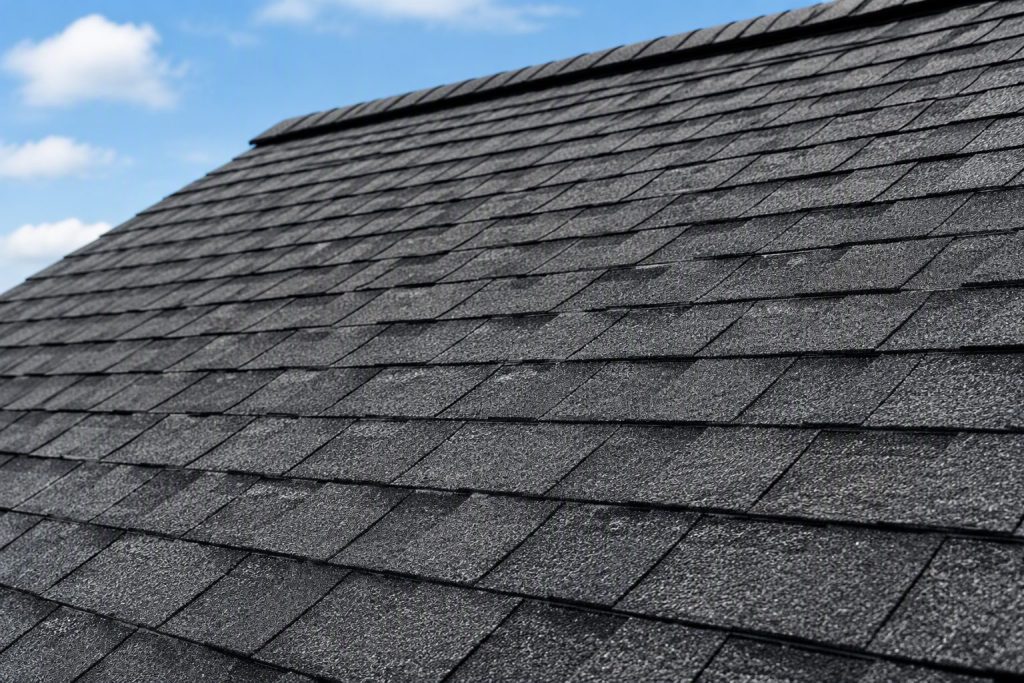
Cleveland homeowners know that Northeast Ohio weather can be unpredictable. From heavy lake-effect snow and freezing temperatures in winter to strong storms, high winds, rain, and humid summers, your roof faces a constant battle against the elements. A well-maintained roof is not just about curb appeal. It is your home’s first line of defense against water damage, mold growth, energy loss, and costly structural repairs.
For homeowners in Greater Cleveland, regular roofing maintenance can significantly extend roof lifespan, improve energy efficiency, and help prevent expensive emergency repairs. Whether you own an asphalt shingle roof, metal roof, or another roofing system, understanding how Cleveland’s climate affects your roof is essential for protecting your investment.
In this guide, the roofing experts at 123 Exteriors share practical roofing maintenance tips specifically designed for Cleveland’s unique weather conditions. You’ll learn how to identify common roofing problems, create a seasonal maintenance plan, and know when it’s time to call a professional roofing contractor.
Why Cleveland’s Climate Is Tough on Roofs
Cleveland experiences all four seasons, and each season presents different challenges for residential roofing systems.
Winter Snow and Ice
Lake Erie significantly influences Cleveland’s winter weather. Heavy snowfall, ice accumulation, freeze-thaw cycles, and ice dams can place tremendous stress on roofing materials.
When snow melts during the day and refreezes at night, water can seep beneath shingles and cause damage. Ice dams can block proper drainage and force water under the roofing system, resulting in leaks, insulation damage, and interior water stains.
Spring Rainstorms
Spring often brings heavy rain, strong winds, and severe weather. Aging shingles may loosen or become damaged, exposing the roof deck to moisture intrusion.
Unchecked water infiltration can lead to:
- Rotting wood
- Mold and mildew growth
- Damaged insulation
- Ceiling stains
- Structural deterioration
Summer Heat and Humidity
Many homeowners think roofing problems only occur during winter, but summer can be equally damaging.
UV exposure, high temperatures, and humidity can:
- Cause shingles to crack
- Accelerate material aging
- Reduce roof performance
- Increase attic heat buildup
- Raise cooling costs
Fall Debris and Leaf Buildup
Autumn leaves are beautiful, but they can create significant roofing problems.
Leaves, twigs, and debris often collect in valleys and gutters, restricting drainage and trapping moisture against roofing materials. This can increase the risk of leaks and shorten roof lifespan.
The Importance of Preventive Roof Maintenance
Many homeowners wait until they notice a leak before addressing roofing problems. Unfortunately, by the time water enters your home, damage has often already spread beneath the surface.
Preventive maintenance offers several benefits:
Extends Roof Lifespan
Routine maintenance can add years to your roof’s useful life, maximizing your investment.
Reduces Repair Costs
Small problems are much less expensive to fix than major structural damage.
Improves Energy Efficiency
A healthy roof works together with proper attic ventilation to improve indoor comfort and reduce utility bills.
Protects Home Value
A well-maintained roof enhances curb appeal and reassures potential buyers during a home sale, while replacing an aging roof can also improve property value.
Supports Insurance Claims
Documented inspections and maintenance records may help support future insurance claims related to storm damage.
Conduct Regular Roof Inspections
The most effective roofing maintenance strategy is regular inspection.
Inspect Your Roof Twice Per Year
Schedule roof inspections:
- In the spring
- In the fall
These seasonal inspections help identify weather-related damage before it worsens.
What to Look For
While inspecting from the ground using binoculars, look for:
- Missing shingles
- Curling shingles
- Cracked shingles
- Loose flashing
- Sagging areas
- Damaged gutters
- Moss growth
- Granule loss
If you notice any warning signs, contact a roofing professional for a detailed inspection.
Keep Gutters Clean and Functional
Your gutters play a critical role in protecting your roof and home.
When gutters become clogged, water can back up beneath roofing materials and damage fascia boards, soffits, siding, and foundations.
Best Practices for Gutter Maintenance
Clean Gutters Regularly
Remove:
- Leaves
- Twigs
- Dirt
- Roofing granules
Homeowners should typically clean gutters at least twice annually, but homes with numerous trees may require more frequent cleaning.
Check Downspouts
Ensure downspouts direct water away from the home’s foundation.
Install Gutter Guards
Gutter protection systems can reduce debris accumulation and improve water flow.
Inspect for Damage
Look for:
- Loose fasteners
- Rust spots
- Separation from fascia
- Sagging sections
Professional gutter maintenance helps prevent costly roofing and water damage.
Address Missing or Damaged Shingles Immediately
Asphalt shingles remain one of the most common roofing materials throughout Cleveland.
However, severe weather can damage shingles over time.
Signs of Shingle Damage
Watch for:
- Missing shingles
- Cracked shingles
- Buckling shingles
- Curling edges
- Bare spots
- Excessive granule loss
Ignoring damaged shingles can expose the underlayment and roof deck to moisture infiltration.
Why Quick Repairs Matter
Even a single missing shingle can create an entry point for water.
A minor repair today may prevent:
- Interior leaks
- Mold growth
- Insulation damage
- Structural wood rot
Professional roofing inspections help identify hidden damage that homeowners may miss.
Prevent Ice Dams During Winter
Ice dams are one of the most common roofing issues in Northeast Ohio.
What Causes Ice Dams?
Ice dams form when:
- Heat escapes from the attic.
- Snow melts on the roof.
- Melted water flows downward.
- Water refreezes near roof edges.
Over time, the ice buildup blocks drainage and traps water behind it.
How to Reduce Ice Dam Risks
Improve Attic Insulation
Proper insulation prevents heat loss that contributes to uneven roof temperatures.
Enhance Ventilation
Adequate airflow helps maintain consistent roof temperatures.
Seal Air Leaks
Prevent warm indoor air from escaping into the attic.
Schedule Professional Assessments
Roofing experts can identify vulnerabilities that contribute to ice dam formation.
Preventing ice dams is often less expensive than repairing the damage they create.
Trim Overhanging Tree Branches
Trees provide shade and beauty, but they can also threaten roofing systems.
Roofing Risks from Trees
Overhanging branches may:
- Scratch shingles
- Drop debris
- Break during storms
- Create pathways for pests
Branches rubbing against roofing surfaces can gradually wear away protective materials.
Recommended Maintenance
Trim branches at least several feet from the roofline.
Regular tree maintenance also improves sunlight exposure, helping roofs dry faster after rain and snow.
Watch for Moss, Algae, and Mold Growth
Cleveland’s humid weather can encourage biological growth on roofing surfaces.
Why Moss Is Dangerous
Moss retains moisture against shingles, which may:
- Accelerate deterioration
- Cause lifting shingles
- Promote wood rot
Algae Staining
Dark streaks often indicate algae growth.
Although algae may primarily affect appearance, prolonged growth can contribute to roofing deterioration.
Safe Removal Methods
Never pressure wash asphalt shingles.
Professional roof cleaning methods are safer and more effective for preserving roofing materials.
Check Roofing Flashing Regularly
Flashing is one of the most important components of any roofing system.
It helps seal vulnerable areas, including:
- Chimneys
- Skylights
- Roof valleys
- Vent pipes
- Dormers
Common Flashing Problems
Over time, flashing may:
- Corrode
- Crack
- Separate
- Loosen
Even small flashing issues can lead to significant water intrusion.
During roof inspections, always ensure flashing remains secure and watertight.
Examine Attic Conditions
Your attic provides valuable clues about roof health.
Many roofing problems become visible inside the attic before appearing elsewhere.
Signs of Roofing Problems in the Attic
Look for:
- Water stains
- Mold growth
- Damp insulation
- Daylight penetration
- Condensation buildup
Improve Ventilation
Proper ventilation helps:
- Reduce moisture
- Prevent mold
- Increase energy efficiency
- Extend roof life
A roofing professional can evaluate attic airflow and make recommendations.
Understand the Impact of Storm Damage
Cleveland experiences severe weather throughout the year.
Storms can create hidden roofing issues that worsen over time.
Common Storm-Related Roof Damage
Wind Damage
Strong winds may:
- Lift shingles
- Break seals
- Expose underlayment
Hail Damage
Hail can leave:
- Bruises
- Cracks
- Granule loss
Falling Debris
Storm debris may puncture roofing materials and create immediate leak risks.
After significant weather events, schedule a professional roof inspection even if no obvious damage is visible.
Don’t Ignore Small Roof Leaks
Many homeowners assume minor leaks can wait.
Unfortunately, water damage spreads quickly.
Hidden Dangers of Roof Leaks
A small leak can cause:
- Mold growth
- Damaged insulation
- Electrical hazards
- Wood rot
- Ceiling collapse
Prompt repairs help minimize costs and protect your family’s health and safety.
Maintain Proper Roof Ventilation
Ventilation is essential for year-round roof performance.
Benefits of Proper Ventilation
Good ventilation helps:
- Regulate attic temperatures
- Reduce energy costs
- Prevent moisture accumulation
- Minimize ice dam formation
- Extend roofing material lifespan
Common Signs of Poor Ventilation
Watch for:
- High energy bills
- Excess attic heat
- Condensation
- Mold growth
- Premature shingle aging
Professional assessments can identify ventilation improvements that enhance roof longevity.
Seasonal Roofing Maintenance Checklist for Cleveland Homeowners
Spring Checklist
After winter ends:
- Inspect for missing shingles
- Check flashing
- Clean gutters
- Examine attic spaces
- Look for leaks
- Remove debris
Summer Checklist
During warmer months:
- Evaluate ventilation
- Check for UV damage
- Inspect roof penetrations
- Address minor repairs
Fall Checklist
Before winter arrives:
- Remove leaves
- Clean gutters
- Trim tree branches
- Check attic insulation
- Schedule roof inspection
Winter Checklist
During snow season:
- Monitor ice dam formation
- Watch for leaks
- Remove excessive snow when necessary
- Assess attic humidity levels
Following a seasonal maintenance schedule can substantially reduce roofing problems.
How Often Should You Schedule Roof Replacement in Cleveland?
Roof lifespan depends on material quality, installation, maintenance, and weather exposure.
Typical lifespans include:
Asphalt Shingles
- Approximately 20-30 years
Architectural Shingles
- Approximately 25-40 years
Metal and Commercial Roofing
- Approximately 40-70 years
Premium Roofing Systems
- Often exceed 50 years with proper maintenance, and premium systems such as slate roofing are valued for both durability and aesthetic appeal.
If your roof is approaching the end of its expected lifespan, professional evaluation is highly recommended.
Warning Signs You Need Professional Roofing Services
Contact a roofing professional for roof repair or roof installation service if you notice:
- Missing shingles
- Frequent leaks
- Water stains
- Sagging roof sections
- Damaged flashing
- Excessive granule loss
- Mold growth
- Storm damage
- Ice dam issues
Early intervention often prevents more extensive and expensive repairs.
Why Professional Roof Inspections Matter
While homeowners can perform visual checks, professional roofing inspections offer far greater insight.
Professional roofers can identify:
- Hidden moisture damage
- Structural concerns
- Ventilation issues
- Insurance claim concerns
- Manufacturer warranty problems
- Roofing system weaknesses
Regular inspections help homeowners make informed maintenance decisions and extend roof performance.
Choosing a Trusted Cleveland Roofing Contractor
Not all roofing contractors provide the same level of expertise.
When selecting a roofing company, look for:
- Local experience
- Strong customer reviews
- Proper licensing and insurance, such as a gaf certified contractor credential for added credibility
- Detailed inspections
- transparent pricing
- Quality workmanship
- Comprehensive warranties
A local business with integrity is better equipped to recommend quality materials for the community.
A local contractor understands Cleveland’s weather challenges and can recommend solutions tailored to Northeast Ohio homes, and certified installers can suggest options that fit local conditions.
Trust 123 Exteriors for Roofing Services in Cleveland
Your roof protects everything beneath it, making routine maintenance one of the smartest investments a homeowner can make. Cleveland’s climate presents unique challenges, from lake-effect snow and ice dams to summer storms and humidity. Staying proactive with inspections, repairs, ventilation improvements, and seasonal maintenance can significantly extend the life of your roofing system while helping you avoid costly repairs.
At 123 Exteriors, we specialize in helping Cleveland-area homeowners protect their homes with professional roofing inspections, maintenance, repairs, and roof replacement solutions. Our experienced team understands the unique demands of Northeast Ohio weather and delivers reliable recommendations tailored to your property’s needs.
Schedule Your Roof Inspection Today
Don’t wait for a leak or storm damage to reveal hidden roofing problems.
Book a Professional Roof Inspection
Get peace of mind with a comprehensive assessment of your roof’s condition. Service is available across Cuyahoga County, including Cleveland Heights and Lakewood.
Request Your Online Roofing Quote
Receive a fast, convenient estimate for roof repairs, maintenance, or replacement. Ask about financing options for work in Parma Heights and nearby areas.
Consult with Local Professional Roofers
Speak with the trusted roofing experts at 123 Exteriors to discuss your roofing concerns and explore the best solutions for your home.
Popular Posts