
Emergency Roof Repair in Chicago: What Homeowners Should Do After Severe Summer Storms

Emergency Roof Repair in Chicago: What Homeowners Should Do After Severe Summer Storms
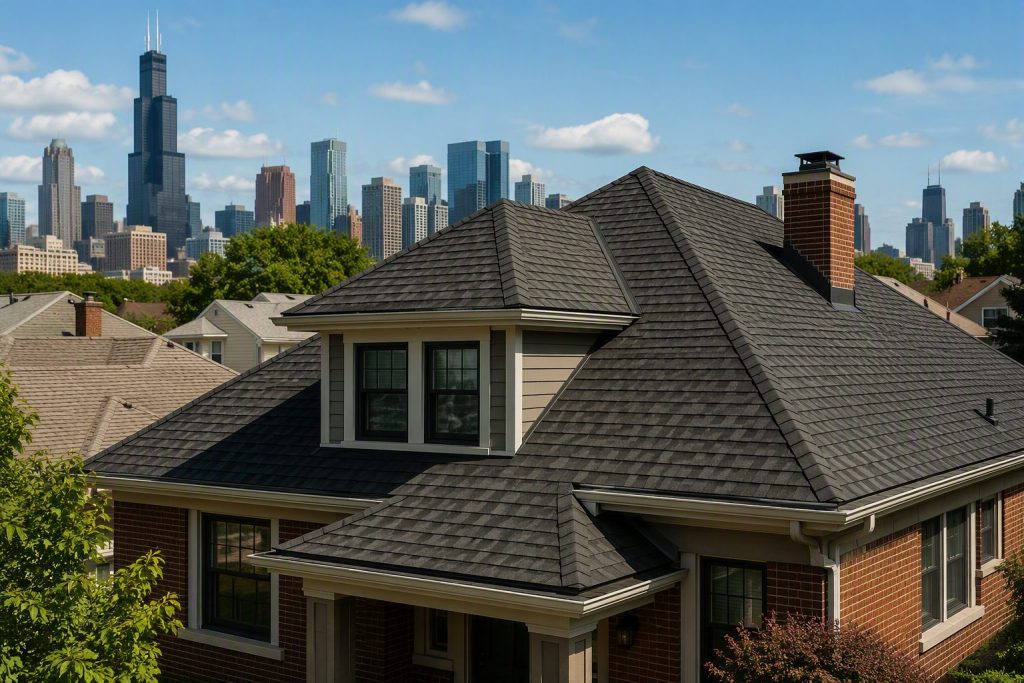
Summer storms in Chicago can arrive with little warning, bringing strong winds, heavy rain, hail, and falling debris that can cause significant damage to residential roofs. While some damage is obvious, many roofing issues remain hidden until water leaks, mold growth, or structural problems develop. Knowing how to respond after a storm can help prevent costly repairs and protect your home’s value.
If your home has recently experienced severe weather, this guide explains how to identify roof damage, what steps to take immediately after a storm, when to call a professional, and how Chicago homeowners can protect their roofs year-round.
Why Chicago Roofs Are Vulnerable to Storm Damage
Chicago homeowners face a unique combination of weather challenges throughout the year. While winter snow and ice receive much of the attention, summer storms can be equally destructive.
During severe weather events, roofs may be exposed to:
- Wind gusts that loosen or remove shingles
- Heavy rainfall that exploits existing vulnerabilities
- Hail impacts that crack shingles and flashing
- Falling tree limbs and debris
- Gutter overflow and drainage issues
- Water infiltration around vents, chimneys, and skylights
Even a relatively minor storm can weaken roofing materials and create problems that worsen over time. Many homeowners don’t realize their roof has been damaged until weeks or months later when stains appear on ceilings or leaks develop during the next rainstorm.
Signs Your Roof May Have Storm Damage
After a major storm, it’s important to inspect your property safely from the ground and look for signs of potential damage.
Missing or Lifted Shingles
High winds can loosen shingles or completely tear them away. Missing shingles expose the underlayment and decking beneath, increasing the risk of water intrusion.
Signs include:
- Bare spots on the roof
- Shingles found in the yard
- Curled or lifted edges
- Uneven roof appearance
Ignoring missing shingles can quickly lead to leaks and interior water damage.
Hail Damage
Hail does not need to be large to damage roofing materials. Even moderate hail can weaken asphalt shingles and shorten their lifespan.
Potential indicators include:
- Circular impact marks
- Missing granules
- Dark spots on shingles
- Dented flashing or vents
- Damage to siding, gutters, and downspouts
Hail damage is often difficult for homeowners to identify without a professional inspection.
Water Stains Inside the Home
One of the most common signs of storm-related roof problems is water infiltration.
Watch for:
- Ceiling discoloration
- Water spots in the attic
- Peeling paint
- Bubbling drywall
- Musty odors
A small stain often indicates a larger roofing issue above.
Damaged Flashing
Flashing protects vulnerable roof transitions around:
- Chimneys
- Skylights
- Roof valleys
- Vents
Strong winds and debris can loosen flashing, creating easy entry points for water.
Gutter Problems
Storm damage isn’t always limited to shingles.
Check your gutters for:
- Separation from the house
- Sagging sections
- Dents
- Shingle granules accumulation
- Overflow during rainfall
Compromised gutters prevent water from draining correctly and may contribute to foundation and roofing issues.
What to Do Immediately After a Storm
Taking the right steps after severe weather can reduce damage and simplify the repair process.
1. Prioritize Safety
Never climb onto a roof after a storm.
Dangerous conditions may include:
- Wet surfaces
- Structural instability
- Hidden damage
- Downed power lines
Perform only a visual inspection from the ground using binoculars if necessar
2. Document Visible Damage
Take photographs of:
- Missing shingles
- Fallen tree limbs
- Damaged gutters
- Interior leaks
- Ceiling stains
- Debris impact areas
Documentation may be valuable if you need to file an insurance claim.
3. Check the Attic
Inspect the attic for signs of water intrusion.
Look for:
- Wet insulation
- Water droplets
- Mold growth
- Daylight coming through the roof deck
Early detection can prevent extensive interior damage.
4. Remove Immediate Hazards
If it is safe to do so:
- Clear small branches from walkways
- Move valuables away from leaks
- Place buckets under active drips
- Protect furniture and flooring
Avoid DIY roof repairs that could worsen the problem.
5. Schedule a Professional Roof Inspection
The most important step is arranging a professional inspection as soon as possible.
Trained roofing experts can identify:
- Hidden storm damage
- Structural issues
- Hail impact damage
- Compromised flashing
- Areas requiring emergency repairs
Prompt inspections help prevent small issues from becoming major expenses.
Common Types of Emergency Roof Repairs
Every storm affects roofs differently. Some repairs require immediate action to prevent extensive damage.
Emergency Leak Repairs
Active roof leaks should be addressed as quickly as possible.
Emergency repairs may include:
- Temporary waterproof coverings
- Flashing repairs
- Sealant application
- Shingle replacement
Stopping water intrusion quickly can save thousands in interior restoration costs.
Wind Damage Repairs
Strong winds often create:
- Missing shingles
- Lifted shingles
- Torn roofing materials
- Flashing displacement
Addressing wind damage promptly helps preserve the roof system’s integrity.
Tree and Debris Damage
Falling limbs can puncture roofing materials and damage structural components.
Repairs may involve:
- Debris removal
- Decking replacement
- Structural assessments
- Shingle restoration
Professional evaluation is critical after impact events.
Gutter and Drainage Restoration
Damaged gutters increase the risk of:
- Roof leaks
- Fascia damage
- Foundation issues
- Landscape erosion
Repairing drainage systems is often an essential part of storm recovery.
The Hidden Cost of Waiting Too Long
Many homeowners delay repairs because damage appears minor.
Unfortunately, small roofing issues rarely stay small.
Delayed repairs may lead to:
- Extensive leaks
- Mold growth
- Rotting wood
- Insulation damage
- Higher energy costs
- Structural deterioration
A few missing shingles today can become a major roof replacement project tomorrow.
The sooner storm damage is addressed, the lower the overall repair costs typically become.
Roof Repair vs. Roof Replacement
One common question homeowners ask after a storm is whether they need repairs or a complete replacement.
Roof Repair May Be Appropriate When:
- Damage is localized
- The roof is relatively new
- Structural components remain intact
- Leaks are limited to specific areas
Roof Replacement May Be Recommended When:
- Damage is widespread
- Roofing materials are near end-of-life
- Multiple leaks exist
- Extensive hail damage is present
- Structural deterioration is discovered
A professional inspection provides the information needed to make the right decision.
How Storm Damage Affects Home Value
Your roof is one of the most important factors influencing property value.
Potential buyers and home inspectors pay close attention to roofing conditions because roof problems often indicate larger maintenance concerns.
Damage left unrepaired may:
- Reduce buyer confidence
- Lower appraised value
- Delay property sales
- Lead to failed inspections
- Increase buyer repair requests
Maintaining a healthy roof protects both your investment and your family’s safety.
Navigating Roof Insurance Claims
Storm damage is often covered by homeowner insurance policies, but the process can be challenging.
Important Steps
Document Everything
Take detailed photos and maintain records of:
- Storm dates
- Visible damage
- Interior impacts
- Emergency repairs
Schedule an Inspection
A professional roofing contractor can provide a thorough assessment of storm-related damage.
Contact Your Insurance Company
Report storm damage promptly and follow claim procedures carefully.
Maintain Records
Keep copies of:
- Inspection reports
- Estimates
- Photos
- Claim correspondence
Organization helps avoid delays during the claims process.
Why Professional Roof Inspections Matter
Many roofing issues cannot be identified from the ground.
Professional inspections help uncover:
- Hidden moisture intrusion
- Flashing failures
- Structural weaknesses
- Hail damage
- Ventilation issues
Comprehensive inspections often reveal problems homeowners would otherwise miss.
A professional assessment provides peace of mind whether repairs are needed or not.
Preventative Maintenance for Chicago Homeowners
While storms cannot be prevented, regular maintenance can reduce the likelihood of severe damage.
Schedule Annual Roof Inspections
Routine inspections help detect:
- Loose shingles
- Damaged flashing
- Ventilation concerns
- Early leak indicators
Prevention is almost always less expensive than emergency repairs.
Keep Gutters Clean
Clogged gutters prevent proper drainage and increase water-related risks.
Aim to clean gutters:
- During spring
- During fall
- After major storms
Trim Nearby Trees
Overhanging branches increase the likelihood of impact damage.
Regular pruning can significantly reduce storm-related roofing risks.
Address Minor Repairs Quickly
Minor issues often become major expenses when ignored.
Prompt attention to:
- Loose shingles
- Small leaks
- Flashing concerns
can extend roof lifespan and reduce repair costs.
Why Local Experience Matters
Chicago homes face weather conditions that differ from many other parts of the country.
A local roofing contractor understands:
- Wind exposure patterns
- Seasonal weather challenges
- Roofing material performance
- Regional building requirements
- Common storm damage issues
Choosing a contractor with local experience can help ensure accurate recommendations and lasting results.
Why Homeowners Choose 123 Exteriors
When severe weather strikes, homeowners need a roofing company that responds quickly and delivers reliable solutions.
At 123 Exteriors, we help Chicago-area homeowners protect their homes with:
- Comprehensive roof inspections
- Emergency roof repair services
- Storm damage assessments
- Roof replacement solutions
- Insurance claim support
- Experienced roofing professionals
- Fast response times
- Honest recommendations
Whether your roof has suffered obvious storm damage or you simply want peace of mind after severe weather, our team is ready to help.
Get a Fast Online Roof Quote Today
Storm damage won’t wait, and neither should you.
If your home has experienced high winds, heavy rain, hail, or falling debris, now is the time to take action before small roofing problems become expensive repairs.
Start with Our Fast Online Quote Tool
Get a quick and convenient estimate by using the 123 Exteriors Online Roof Quote Tool. It’s a simple way to begin understanding your roofing options and costs without delay.
Fast and convenient
No waiting for an in-home visit to get started
Helps you plan your next steps quickly
Designed for busy homeowners
Book Your Free Roof Inspection with 123 Exteriors
Not all storm damage is visible from the ground.
A professional inspection can identify hidden problems before they lead to costly structural damage, mold, or interior repairs.
Protect your home. Protect your investment. Get peace of mind.
Schedule Your Roof Inspection Today
Contact 123 Exteriors to:
- Assess storm damage
- Identify hidden roofing problems
- Receive professional recommendations
- Explore repair and replacement options
- Get expert guidance on insurance claims
Your roof is your home’s first line of defense. Let the trusted team at 123 Exteriors help keep it strong, secure, and ready for whatever Chicago weather brings next.
Popular Posts