
When to Act on Hail Damage Roof
When to Act on Hail Damage Roof
A Homeowner’s Guide for Colorado, Illinois, Iowa, Kentucky, Minnesota, Missouri, Nebraska, Ohio, Oklahoma, and Wisconsin
Hail damage is one of the most misunderstood causes of roof failure. Many homeowners don’t realize their roof was compromised until months—or even years—after the storm, when leaks, rot, or mold suddenly appear. By then, the damage is more extensive, repairs are more expensive, and insurance timelines may already be closing.
At 123 Exteriors, we specialize in storm restoration across hail‑prone regions of the Midwest and Plains. With hail storms increasing in both frequency and severity, knowing when to act after a hail event is critical to protecting your home and avoiding unnecessary out‑of‑pocket expenses. On average in the United States, hail damage repair prices for roofs cost around $4,250, but the price can range from as low as $375 to as high as $7,500, depending on roof material, location, and severity of the damage.
This in‑depth guide explains:
- What hail damage actually does to your roof
- Why timing matters more than most homeowners think
- Recent hail activity in states we serve
- When to inspect, repair, or replace
- How insurance deadlines work
- And how 123 Exteriors helps homeowners every step of the way
At 123 Exteriors, we prioritize home safety by recommending that homeowners work with a reputable roofing contractor for a professional inspection after hail damage. This ensures any issues are properly identified and addressed to maintain the safety and integrity of your home.
👉 If your area has experienced hail recently—or even in the past two years—schedule a professional inspection today. Get your free quote from 123 Exteriors now.
Why Hail Damage Is a Serious Roofing Threat
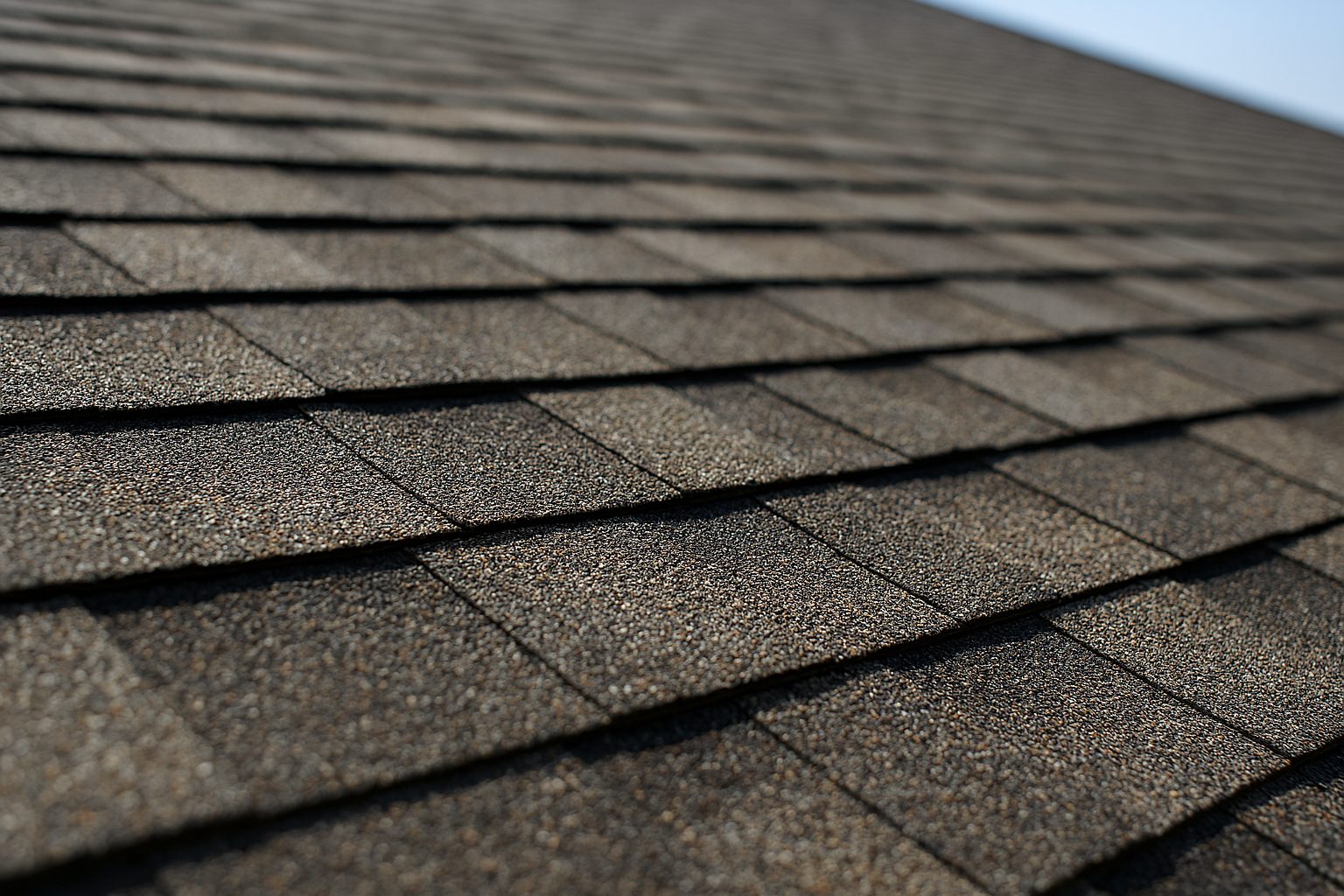
Hail may look harmless once it melts, but the impact energy left behind can permanently weaken roofing systems. According to NOAA‑based storm tracking, hailstones as small as 1 inch in diameter (quarter‑sized) can damage asphalt shingles, while golf‑ball‑sized hail (1.75 inches) or larger often leads to full roof replacement.
The danger is not always visible from the ground. Damage from hailstorms can vary significantly based on the roofing material and hail size, with collateral damage like dented gutters and broken windows serving as primary indicators. Hail damage often appears as:
- Bruised or fractured shingle mats
- Granule loss exposing asphalt layers
- Micro‑cracks that allow slow water intrusion
- Softened impact zones that fail prematurely
Hail damage can also leave visible damage, such as dents or pockmarks in shingles, and can knock granules loose, which are essential for protecting the roof from rain and sun damage. Inspecting the attic and ceilings for water stains is a vital step in identifying damage after a hailstorm. Metal roofs may exhibit dents, depressions, or chipped paint/coatings that could lead to rust. Wood shingles may show splits, sharp corners, or impact marks, indicating that the roof has been compromised.
Over time, these weaken the roof’s ability to shed water, leading to leaks, insulation damage, and structural decay.
Recent Hail Activity in 123 Exteriors Service Areas (2025–2026)
Hail storms across the Midwest and Plains have been particularly intense over the last two seasons. Roofing industry and NOAA data confirm a sharp rise in large‑hail events hitting residential neighborhoods across multiple states we serve.
Midwest and Plains Storm Trends
- The Midwest experienced thousands of verified hail reports in 2025 alone, with hail larger than 1 inch recorded across Illinois, Missouri, Iowa, Minnesota, Wisconsin, Nebraska, Ohio, and Oklahoma.
- In early 2026, severe storm systems produced hailstones measuring between 4 and 6 inches, particularly in Illinois and Missouri, causing widespread roof destruction.
- Roofing contractors across Missouri and Illinois reported entire neighborhoods requiring full roof replacement following dense hail impacts in March 2026.
State‑Specific Highlights
Illinois & Missouri
Recent supercell storms produced some of the largest hail ever recorded in Illinois, with stones reported up to 6 inches in diameter, resulting in extensive residential roof loss.
Iowa, Nebraska & Minnesota
Repeated summer hail events caused cumulative damage, where roofs that survived earlier storms failed after later impacts—often unnoticed until leaks developed months later.
Wisconsin & Ohio
Golf‑ball‑ to baseball‑sized hail was recorded across multiple metro areas, leading to a spike in insurance roofing claims and delayed contractor availability.
Oklahoma & Colorado
These states remain among the most hail‑active regions in the U.S., with repeated high‑velocity hail events placing roofs at risk even when damage appears minor at first glance.
When Should You Act After a Hail Storm?
Immediately After the Storm (Day 1–14)
- Visually inspect gutters, siding, window screens, and outdoor fixtures
- Look for dented vents, downspouts, or garage doors
- Document the storm date and take photos of visible impacts
Even if your roof “looks fine,” hail damage can exist beneath the surface.
Within 30–60 Days (Critical Window)
This is the ideal time to:
- Schedule a professional roof inspection
- Gather storm documentation
- Begin the insurance claim process if damage is confirmed
Insurance companies respond more favorably when inspections are completed soon after the storm event.
Waiting Too Long (6–24 Months)
Many insurance policies have strict reporting deadlines, often between 12 and 24 months, depending on the carrier. Waiting increases the risk of:
- Claim denial due to “wear and tear” arguments
- Additional damage excluded from coverage
- Reduced settlement amounts
Why Hail Damage Often Gets Missed
Hail damage is deceptive. Unlike tornado or fire damage, it doesn’t always leave immediate destruction behind. According to roofing professionals, many roofs that appear intact still require full replacement due to compromised shingle integrity.
Common reasons homeowners miss hail damage:
- Damage isn’t visible from the ground
- Leaks develop slowly over time
- Granule loss looks like “normal aging”
- Previous repairs mask underlying issues
- It can be difficult to distinguish between hail damage, accidental damage, normal wear, normal wear and tear, and manufacturing defects without a professional evaluation
Professional inspections can reveal hidden or subtle damage that may not be visible to homeowners. This is why inspections should always be completed by storm‑damage specialists, not just general contractors.
Repair vs. Replacement: How Decisions Are Made
Spot Repairs May Be Enough If:
- Hail was under 1 inch
- Damage is limited to a small area
- Shingle mat integrity remains intact
Full Replacement Is Likely When:
- Hail exceeds 1.75 inches
- Multiple slopes are damaged
- Shingles are bruised across large surfaces
- Insurance adjusters confirm functional damage
Roofing claims data shows that roof replacements account for approximately 70% of residential storm damage claims, underscoring how often hail leads to full system failure—not just repairs.
Understanding the Insurance Claim Process
The claims process for hail damage roof repairs typically involves several key steps: you must file a claim, contact your insurance company or insurance provider, and work with an insurance adjuster to assess and document the damage. It is crucial to understand your insurance policy, including deductibles, coverage limits, and the time limit for filing claims—often within 6 to 12 months after a hailstorm. Your insurer is responsible to pay for covered repairs, subject to the terms of your policy, to restore your roof to its pre-loss condition.
- Storm Event Confirmation
- Verified hail reports from NOAA‑based data confirm your property was in the storm path.
- Professional Inspection
- A qualified contractor documents functional damage.
- Insurance Adjustment
- An insurance adjuster assesses damage and determines coverage as part of the claims process.
- Scope & Approval
- Approved repairs or replacement are authorized by your insurance company or provider.
- Construction & Restoration
- Roofing, siding, gutters, and other components are restored to their pre-loss condition.
After assessing the damage, your next steps should include contacting your insurance, following up with your insurance company or agent, and ensuring all necessary documentation is submitted for your claim.
Working with an experienced contractor helps prevent under‑scoping and ensures your claim reflects the full extent of damage.
How 123 Exteriors Protects Homeowners After Hail
At 123 Exteriors, we specialize in:
- Hail damage inspections
- Insurance claim support
- Roof replacement & exterior restoration
- Local code compliance across all service states
Working with a reputable roofing contractor or roofer is essential for thorough inspections, quality repairs, and navigating insurance claims after hail damage. Many contractors, including our team, offer free inspections and can assist you throughout the insurance claims process to ensure your roofing system is restored properly.
Regular maintenance and inspection of your roofing system can help identify and repair areas of wear and tear, making it more resilient against hailstorms. We also recommend consulting your insurance agent to confirm your policy details, coverage, and potential discounts or incentives for roofing upgrades and home improvements.
Our teams understand regional weather patterns, insurance carrier behavior, and building codes specific to: Colorado, Illinois, Iowa, Kentucky, Minnesota, Missouri, Nebraska, Ohio, Oklahoma, and Wisconsin.
We advocate for homeowners—not insurance companies—ensuring every damaged component is properly addressed.
Don’t Wait for Leaks to Tell You There’s a Problem
By the time water enters your home, hail damage has already caused structural compromise. Acting early protects:
- Your roof system
- Your insulation and attic
- Your drywall and framing
- Your insurance eligibility
Upgrading to impact-resistant shingles can significantly enhance your roof’s ability to withstand hail damage, especially in hail-prone areas. Pruning trees and removing dead limbs can prevent them from causing additional damage to your roof during hailstorms and high winds. Taking these home safety measures is crucial for protecting your property from hail damage.
👉 If your area experienced hail within the last 24 months, now is the time to act.
Get Your Fast Quote Today
Hail damage doesn’t fix itself—and waiting can cost you thousands.
123 Exteriors offers quick roof estimates.
✅ Insurance‑friendly documentation
✅ Local crews you can trust
Popular Posts