
Roof Wind Damage Prevention: How to Strengthen Your Roof Against High Winds

Roof Wind Damage Prevention: How to Strengthen Your Roof Against High Winds
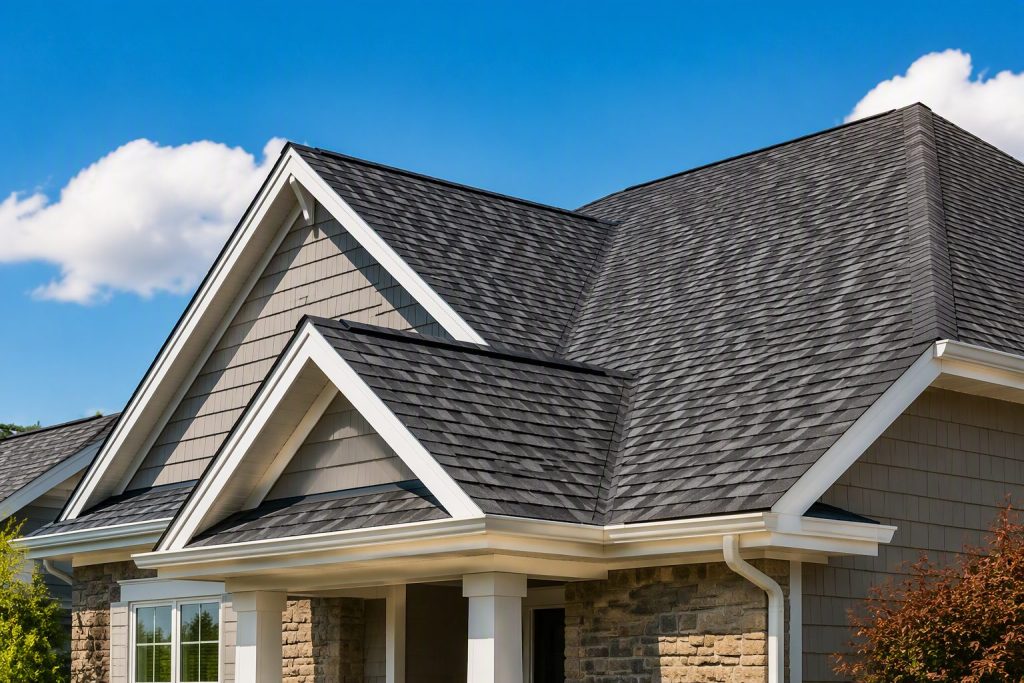
High winds can cause devastating damage to homes, often starting with the roof. Whether you live in an area prone to severe thunderstorms, tropical storms, hurricanes, or seasonal wind events, your roof serves as the first line of defense against the elements. Even winds that don’t reach hurricane strength can loosen shingles, damage flashing, create leaks, and compromise the structural integrity of your roofing system.
For homeowners, protecting a roof from high winds is not just about preventing costly repairs. It’s about safeguarding your family, preserving your property value, and ensuring your home remains secure during extreme weather conditions.
At 123 Exteriors, we understand how important a strong, wind-resistant roof is. In this guide, we’ll cover everything homeowners need to know about strengthening their roofs against high winds, from inspections and maintenance to advanced roofing upgrades that provide long-term protection.
Why High Winds Cause Wind Damage to Roofing Systems
Many homeowners assume that only hurricanes cause roof damage. In reality, wind damage can occur during severe thunderstorms, winter storms, and even strong seasonal weather fronts.
When powerful winds move across a roof, they create pressure differences that can lift roofing materials. Once a shingle or section of roofing becomes loose, wind can get underneath and begin peeling back larger areas. This process can quickly escalate, leading to significant structural damage.
Common wind-related roofing problems include:
- Missing shingles
- Loose roofing materials
- Damaged flashing
- Water infiltration
- Gutter damage
- Structural roof deck issues
- Fallen tree damage
- Detached soffits and fascia
Even minor roof damage can create entry points for moisture, leading to mold growth, wood rot, insulation damage, and costly interior repairs.
Schedule Regular Professional Roof Inspections
One of the most effective ways to strengthen your roof against high winds is to identify weaknesses before storms arrive.
As part of any roofing project, homeowners should schedule inspections at least once a year, since a professional roofing inspection can uncover issues such as:
- Loose shingles
- Wear such as curling shingles and rust
- Deteriorated flashing
- Aging sealants
- Weak roof decking
- Damaged vents
- Compromised underlayment
Vulnerable areas around chimneys, skylights, and penetrations can also be reinforced with roofing cement to reduce the risk of wind damage.
Many roofing failures occur because existing damage was already present before a storm hit. By addressing small concerns with minor repairs early, homeowners can significantly improve wind resistance and avoid emergency repairs.
Experts generally recommend:
- Annual roof inspections
- Post-storm inspections
- Additional inspections before severe weather seasons
Professional roofers know exactly where to look for vulnerabilities and can recommend targeted improvements based on local wind speeds. Regular maintenance helps prevent wind damage by catching problems early and avoiding emergency repairs.
Upgrade to Impact-Resistant and Wind-Rated Asphalt Shingles
Not all roofing materials offer the same level of wind protection, and different types can vary significantly in how they perform during storms.
Modern architectural shingles are specifically engineered to withstand stronger wind loads than traditional three-tab shingles. Asphalt shingles are a budget-friendly choice, but they can still suffer damage in winds over 100 mph. Many premium roofing products are rated to withstand sustained wind speeds between 110 and 130 mph when properly installed.
Benefits of upgraded shingles include:
- Stronger adhesive seals
- Improved wind resistance
- Enhanced durability
- Better curb appeal
- Longer lifespan
- Increased home value
Wind-resistant materials improve a roof’s durability during storms, while other roofing materials may deliver stronger performance in more severe conditions.
When replacing a roof, ask your contractor about high-wind-rated roofing systems that meet local building codes and weather requirements.
Investing in premium materials today can save thousands of dollars in repair costs after a storm.
Secure the Roof Deck
The roof deck forms the structural foundation beneath your roofing materials. If the decking becomes compromised during high winds, significant damage can occur.
Older homes may have roof decks attached with nails that no longer meet modern construction standards. During a roofing replacement project, contractors can strengthen deck attachments using modern fastening methods, and proper fastening methods improve roofing material stability.
Roof deck reinforcement may include:
- Ring-shank nails
- Additional fasteners
- Deck adhesives
- Upgraded sheathing materials such as plywood if replacement is needed
- Structural bracing
A sealed roof deck adds a secondary barrier against water intrusion.
A secure roof deck improves overall wind performance and helps prevent catastrophic roof failures during severe weather events. Heavier materials such as slate may also require a strongly reinforced roof deck.
Install a Secondary Water Barrier
Wind damage often leads to water intrusion. Once roofing materials are lifted or removed, rainwater can quickly enter the home.
A secondary water barrier provides an extra layer of protection between roofing materials and the roof deck.
Common options include:
- Self-adhering waterproof membranes
- Ice and water shield products, especially in areas exposed to snow
- Synthetic underlayment systems
These barriers can help protect the house from water intrusion even if the outer roofing materials become damaged during a storm.
For homeowners in coastal or storm-prone regions, secondary water barriers are an especially valuable investment.
Strengthen Roof Flashing
Flashing protects vulnerable roof areas where leaks commonly occur, especially around chimneys, skylights, and vent penetrations.
Critical flashing locations include:
- Chimneys
- Skylights
- Valleys
- Roof intersections
- Vent penetrations
High winds can loosen or damage flashing, creating opportunities for water intrusion. During roof inspections, contractors should verify that flashing is properly secured and sealed. Sealing roof edges helps prevent wind from lifting roofing materials.
Upgrading older flashing systems can dramatically improve both weather resistance and roof longevity.
Signs your flashing may need attention include:
- Rust
- Cracks
- Gaps
- Loose sections
- Interior water stains
Addressing flashing issues promptly can prevent leaks before they turn into expensive repairs.
Reinforce Gutters and Drainage Systems
While gutters may seem unrelated to wind resistance, damaged drainage systems can contribute to roofing problems, so drainage upgrades may include installing reinforced gutter attachments or sealed joints.
Strong winds frequently:
- Pull gutters away from the home
- Damage gutter brackets
- Cause drainage failures
- Create water backup issues
Properly secured gutters help manage water effectively during heavy storms.
Consider:
- Heavy-duty gutter hangers
- Additional fastening points
- Gutter guards
- Sealed joints
- Regular cleaning
Maintaining clear drainage systems reduces pressure on roofs during storms, lowers stress on roofing components, and protects your home’s foundation.
Trim Nearby Trees
Tree limbs are among the leading causes of wind-related roof damage.
During storms, branches can:
- Scrape roofing materials
- Break shingles
- Damage flashing
- Puncture roof decking
- Cause structural collapse
Regular tree maintenance helps eliminate preventable hazards.
Homeowners should:
- Remove dead branches
- Trim overhanging limbs
- Monitor diseased trees
- Maintain safe clearances from the roof
Professional arborists can identify potential risks and recommend corrective action before severe weather strikes.
Improve Attic Ventilation
Many homeowners don’t realize that attic conditions can affect roof performance during high winds.
Proper ventilation helps:
- Regulate temperatures
- Reduce moisture buildup
- Protect roof decking
- Extend roofing lifespan
Poor attic ventilation can weaken roofing materials over time, making them more vulnerable during severe weather events.
A roofing professional can evaluate attic ventilation systems and recommend upgrades when necessary.
Common improvements include:
- Ridge vents
- Soffit vents
- Gable vents
- Powered attic fans
Balanced ventilation helps maintain the long-term strength of the entire roofing system.
Secure Soffits and Fascia
Soffits and fascia play an important role in protecting roof edges from wind-driven rain and debris.
Weak or damaged soffits can become entry points for wind pressure. Once wind enters the attic, uplift forces can increase dramatically.
Regularly inspect for:
- Cracks
- Rot
- Loose panels
- Missing sections
Upgrading to durable materials such as aluminum or engineered composites can improve wind resistance and reduce maintenance requirements.
Consider Hurricane Straps and Roof Tie-Downs
For homes located in high-wind regions, hurricane straps provide valuable structural reinforcement.
Hurricane straps are metal connectors that strengthen the connection between:
- Roof trusses
- Walls
- Foundation systems
These connectors help transfer wind loads through the structure, reducing the likelihood of roof separation during extreme storms.
While retrofitting may require professional installation, hurricane straps are among the most effective structural improvements for wind-prone areas.
Benefits include:
- Increased structural integrity
- Improved storm resilience
- Potential insurance benefits
- Enhanced safety
Homeowners planning major renovations should discuss hurricane strap installation with qualified roofing and construction professionals.
Replace Aging Roofing Materials
Age remains one of the biggest predictors of storm-related roof damage.
As different roofing materials age, they fail in different ways, and replacement decisions often depend in part on roof size. As roofing materials age, they become more susceptible to:
- Cracking
- Curling
- Granule loss
- Sealant failure
- Wind uplift
Most asphalt roofing systems have a lifespan ranging from 20 to 30 years, depending on product quality, installation, and environmental conditions. On an old roof, repeated minor repairs can eventually make a new roof more cost effective.
Signs it may be time for replacement include:
- Missing shingles
- Repeated repairs
- Visible sagging
- Interior leaks
- Extensive weathering
Replacing an aging roof before severe weather season can provide peace of mind and significantly improve wind resistance, especially when a full tear-off allows thorough inspection of the existing roof and decking before replacement.
Ensure Proper Roofing Installation
Even the highest-quality roofing materials can fail if installed incorrectly.
Proper installation involves:
- Manufacturer-approved fasteners, including nails designed for wind resistance
- Correct nail placement
- Accurate shingle alignment
- Proper flashing integration
- Secure ridge cap installation
Many wind-related insurance claims stem from poor workmanship rather than material failure.
Choosing an experienced, reputable roofing contractor is one of the most important decisions homeowners can make.
When evaluating a roofing company, look for:
- Proper licensing
- Insurance coverage
- Strong customer reviews
- Manufacturer certifications
- Local experience
An expertly installed roof often performs far better during severe weather than one installed with shortcuts or improper techniques. Building codes establish minimum standards for wind resistance in roofing.
Conduct Seasonal Roof Maintenance
Preventative maintenance remains one of the most cost-effective strategies for protecting a roof against wind damage.
A seasonal roof maintenance plan should include:
Spring Maintenance
- Remove debris
- Inspect shingles for signs of damage, including any hail-related impact after early-season storms
- Check flashing
- Clean gutters
Summer Maintenance
- Assess storm damage
- Inspect attic ventilation
- Trim trees
Fall Maintenance
- Clear leaves and debris
- Inspect drainage systems
- Schedule professional inspections
Winter Maintenance
- Monitor moisture issues
- Check for ice-related concerns
- Inspect after major storms
Routine maintenance helps identify vulnerabilities before they become expensive problems.
Understand Your Insurance Coverage
Even with proactive protection measures, severe storms can still cause damage.
Homeowners should periodically review their insurance policies to understand:
- Wind damage coverage
- Roof replacement provisions
- Deductibles
- Claim procedures
- Documentation requirements
Keeping inspection reports, maintenance records, and roofing receipts can simplify the claims process if damage occurs.
After a storm, document roof conditions with photos and contact a qualified roofing contractor for an assessment.
Benefits of Investing in Wind-Resistant Roofing
Strengthening your roof offers long-term advantages far beyond storm protection.
Benefits include:
Enhanced Safety
A stronger roof better protects occupants during severe weather events.
Lower Repair Costs
Preventative improvements reduce the likelihood of expensive emergency repairs.
Increased Home Value
Buyers appreciate homes with durable, recently upgraded roofing systems.
Better Energy Efficiency
Modern roofing materials often improve insulation and ventilation performance.
Greater Peace of Mind
Knowing your roof is ready for severe weather helps reduce stress during storm season.
Why Choose 123 Exteriors?
At 123 Exteriors, we help homeowners protect their investments with expert roofing services, including inspections, repairs, replacements, and storm-preparation services.
Our experienced team understands the challenges posed by high winds and extreme weather. We use premium materials, proven installation techniques, and industry best practices to help ensure your roof performs when it matters most.
Whether you need a comprehensive inspection, targeted repairs, or a complete roof replacement, we’re committed to delivering quality workmanship and exceptional customer service.
Our services include:
- Roof inspections
- Roof repairs
- Roof replacements
- Storm damage assessments
- Wind-resistant roofing upgrades
- Gutter systems
- Exterior restoration solutions
Get Ahead of the Next Storm
Waiting until after a storm strikes can lead to significantly higher repair costs and greater property damage. Taking proactive steps today can strengthen your roof, protect your home, and improve your peace of mind year-round.
Don’t leave your roof vulnerable to high winds.
Contact Your Local Roofing Professionals Today
The roofing experts at 123 Exteriors are ready to help you evaluate your roof’s condition and recommend the best protection options for your home.
Schedule a professional roof inspection
Identify potential vulnerabilities
Explore wind-resistant roofing options
Receive expert guidance from a trusted local roofing company
Popular Posts