
Iowa Roof Damage: Common Causes from Severe Weather and How to Prevent It

Iowa Roof Damage: Common Causes from Severe Weather and How to Prevent It
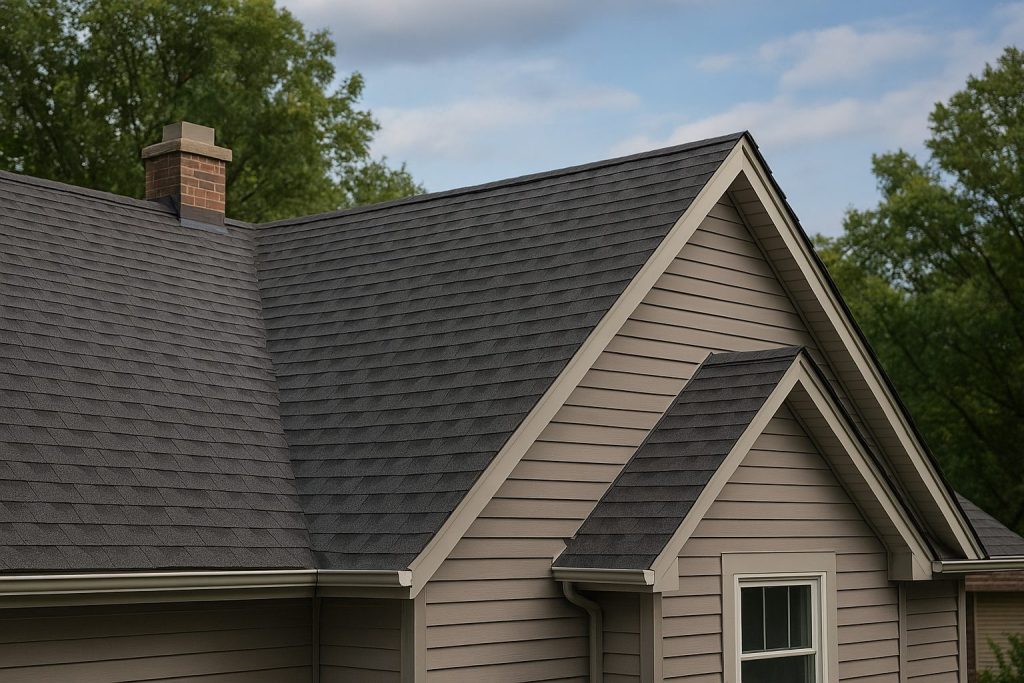
Iowa homeowners know that the weather can be unpredictable, intense, and at times downright destructive, leaving roof damage. From torrential rains and heavy snowfall to damaging hailstorms and powerful winds, your roof takes the brunt of nature’s impact year-round. As your home’s first line of defense, your roof must withstand these conditions while maintaining structural integrity and keeping your family safe and dry.
However, even the most durable roofing systems aren’t immune to damage—especially when faced with Iowa’s harsh weather patterns. Understanding the most common types of roof damage and how to prevent them can save you thousands of dollars in repairs, extend your roof’s lifespan, and protect your home investment.
In this comprehensive guide, we’ll explore the most frequent forms of weather-related roof damage in Iowa—and provide practical, actionable tips to help you avoid them.
Why Iowa’s Climate Is Tough on Roofs
Before diving into specific damage types, it’s important to understand why Iowa roofs face unique challenges:
- Severe thunderstorms in spring and summer
- Frequent hailstorms
- Heavy snowfall and ice accumulation in winter
- Strong winds from tornadoes, which can bring hurricane-force winds above 74 mph and cause roof damage
- Wide temperature fluctuations throughout the year
These conditions cause repeated expansion, contraction, impact, and wear—weakening roofing materials over time.
1. Hail Damage
What Happens During a Hailstorm?
Hailstones can range from pea-sized to as large as golf balls (or even bigger). When they strike your roof, they can:
- Crack or dent shingles
- Knock granules loose from asphalt shingles
- Create hidden fractures that worsen over time
- Damage flashing, vents, and gutters
Signs of Hail Damage
- Walk the perimeter from the ground and look for dents on gutters or downspouts
- Bald spots or granule loss on shingles
- Soft spots or bruising when touched
- Water leaks after a storm
- Note visible impacts on window screens after hail, since those marks can help document damage
2.3 Why Hail Storm Damage Is Dangerous
Hail is a form of storm damage that isn’t always immediately visible, but it compromises the protective outer layer of your roof. Over time, this leads to water infiltration, mold growth, and structural deterioration.
How to Prevent Hail Damage
- Install impact-resistant shingles (Class 3 or Class 4 rated)
- Schedule annual roof inspections, especially after storms
- Keep trees trimmed to reduce falling debris
Pro Tip: Even minor hail damage can qualify for insurance claims—don’t ignore it.
2. Wind Damage
How Strong Winds Affect Your Roof
Iowa regularly experiences high winds during storms, sometimes exceeding 60–70 mph and, in more severe events, hurricane-force gusts above 74 mph. These winds can:
- Lift or tear off shingles
- Break seals between shingle layers
- Dislodge flashing and roof components
- Expose the underlayment to water and the roof to the elements once shingles or flashing are displaced
Warning Signs
- Missing or curled shingles
- Debris accumulation on roof
- Roof edges lifting or flapping
- Increased indoor drafts
The Risks
Once shingles are loosened or missing, your roof becomes vulnerable to leaks and further wind damage in future storms.
Prevention Tips
- Use wind-rated roofing materials
- Ensure proper installation and sealing
- Reinforce roof edges and ridge caps
- Conduct inspections after major storms, especially when wind events happen, and follow up promptly
3. Ice Dams
What Are Ice Dams?
Ice dams form when snow on the roof melts, runs down, and refreezes at the edge—creating a barrier that traps water behind it.
How They Damage Your Roof
- Water backs up under shingles
- Causes leaks into attic and ceilings
- Leads to mold and rot
- Damages gutters and soffits
Signs of Ice Dams
- Large icicles hanging from gutters
- Water stains on ceilings
- Uneven snow melting patterns
How to Prevent Ice Dams
- Improve attic insulation
- Ensure proper ventilation
- Install ice and water shield underlayment
- Remove snow buildup safely
4. Snow Load Damage
The Weight Problem
Heavy snow accumulation can place enormous stress on your roof. Wet snow is especially heavy and can lead to:
- Sagging roof structure
- Cracks in rafters
- Partial or total roof collapse (in extreme cases)
Signs of Snow Load Stress
- Sagging ceiling or roofline
- Cracking noises
- Doors or windows sticking
Prevention Methods
- Reinforce roof structure if needed
- Remove excessive snow buildup using roof-safe tools
- Ensure proper drainage to prevent water pooling
5. Rain and Water Damage
Why Rain Is More Dangerous Than It Looks
Frequent heavy rainfall in Iowa can exploit even small vulnerabilities in your roof.
Common Issues
- Leaks through damaged shingles
- Pooling water on flat or low-slope roofs
- Mold and mildew growth
- Rotting wood and structural decay
Signs of Water Damage
- Water stains on ceilings or walls
- Musty odors
- Peeling paint or bubbling drywall
Prevention Tips
- Keep gutters and downspouts clean, which is essential for directing water away from the roof and foundation
- Ensure proper roof slope and drainage
- Repair damaged shingles immediately
- Install waterproof underlayment
6. UV and Heat Damage
The Hidden Threat
While storms get most of the attention, sun exposure also plays a major role in roof deterioration.
Effects of UV Rays
- Drying and cracking of shingles
- Fading and weakening materials
- Thermal expansion and contraction damage
Prevention
- Choose UV-resistant roofing materials
- Ensure proper attic ventilation to regulate temperature
7. Falling Debris and Tree Damage
What Causes It?
Storms often bring down branches or entire trees, which can directly impact your roof.
Potential Damage
- Punctured roofing material
- Broken rafters
- Significant structural damage
Prevention Tips
- Trim overhanging branches regularly
- Remove dead or weak trees near your home
- Schedule pre-storm inspections
8. Flashing Failure
Why Flashing Matters
Flashing seals vulnerable areas such as:
- Chimneys
- Skylights
- Roof valleys
9.2 What Happens When Flashing Fails in Your Roofing System
- Water seeps into joints
- Hidden leaks develop
- Interior damage spreads
Prevention
- Inspect flashing regularly
- Replace rusted or damaged material
- Ensure proper installation
9. Poor Installation and Maintenance Issues
The Overlooked Factor
Many roofing problems stem not from weather—but from improper installation or neglect.
Common Problems
- Incorrect shingle alignment
- Inadequate sealing
- Low-quality materials
- Lack of maintenance
Prevention
- Hire a trusted, experienced roofing contractor like 123 Exteriors; in Iowa, your contractor should be licensed and insured
- Schedule routine inspections with a reputable company that clearly explains its inspection and repair process
- Address small issues before they escalate
Seasonal Roof Maintenance Checklist
Spring
- Inspect for winter damage
- Clean gutters
- Check for loose or missing shingles
Summer
- Look for heat-related wear
- Trim nearby trees
Fall
- Prepare for winter
- Clear debris and leaves
Winter
- Monitor snow buildup
- Watch for ice dams
Why Professional Roof Inspections Matter
Even if your roof looks fine from the ground, hidden damage can exist beneath the surface. Document visible damage with timestamped photos and videos before repairs begin. Professional inspections can:
- Help assess hidden damage early
- Prevent costly repairs
- Support insurance claims
- Extend roof lifespan
At 123 Exteriors, our experts provide thorough assessments tailored to Iowa’s climate challenges.
When to Repair vs. Replace Your Roof
Choose Repair If:
- Damage is minor or localized
- Roof is relatively new
- No structural issues exist
Consider Replacement If:
- Damage is widespread or points to a full roof replacement
- Roof is over 20 years old
- Frequent repairs are needed
A professional evaluation will help you make the right decision and determine whether repairs or a new roof is the better long-term option.
The Cost of Ignoring Roof Damage
Delaying repairs can lead to:
- Increased repair costs
- Interior water damage
- Mold and health hazards
- Structural weakening
- Reduced property value
Early intervention saves money—and protects your home.
Why Choose 123 Exteriors for your Roof Damage?
When it comes to protecting your home from Iowa’s severe weather, you need a trusted, experienced team. 123 Exteriors is a local roofing business serving homeowners across central Iowa.
123 Exteriors offers:
- Free inspections
- Residential roofing services
- High-quality, weather-resistant materials
- Professional installation
- Insurance claim assistance, including support during the adjuster visit and meetings with Iowa adjusters
- Reliable customer service
We understand Iowa’s climate—and we know how to build roofs that last. Our team takes pride in its work, and we stand behind our workmanship while aiming to be helpful to homeowners and neighbors in Des Moines and across central Iowa, IA.
Final Thoughts
Your roof is one of the most important investments in your home. Iowa’s severe weather can put it to the test, but with proper care, regular inspections, and quality materials, you can significantly reduce the risk of damage.
By staying proactive and addressing issues early, you’ll not only protect your home—but also save money and stress in the long run.
Schedule Your Free Roof Inspection Today
Don’t wait until minor damage turns into a major problem.
👉 Contact 123 Exteriors today for a free roof inspection and estimate!
We can also help homeowners work with insurers after storm damage, which can make the roofing project easier. Under Iowa law, Iowa insurers generally must acknowledge claims within 10 working days and pay or deny claims within 30 days after proof of loss. Protect your home before the next storm hits Fast, reliable, and trusted by homeowners across Iowa
Call now or request your quote online—your roof deserves the best protection.
Popular Posts